
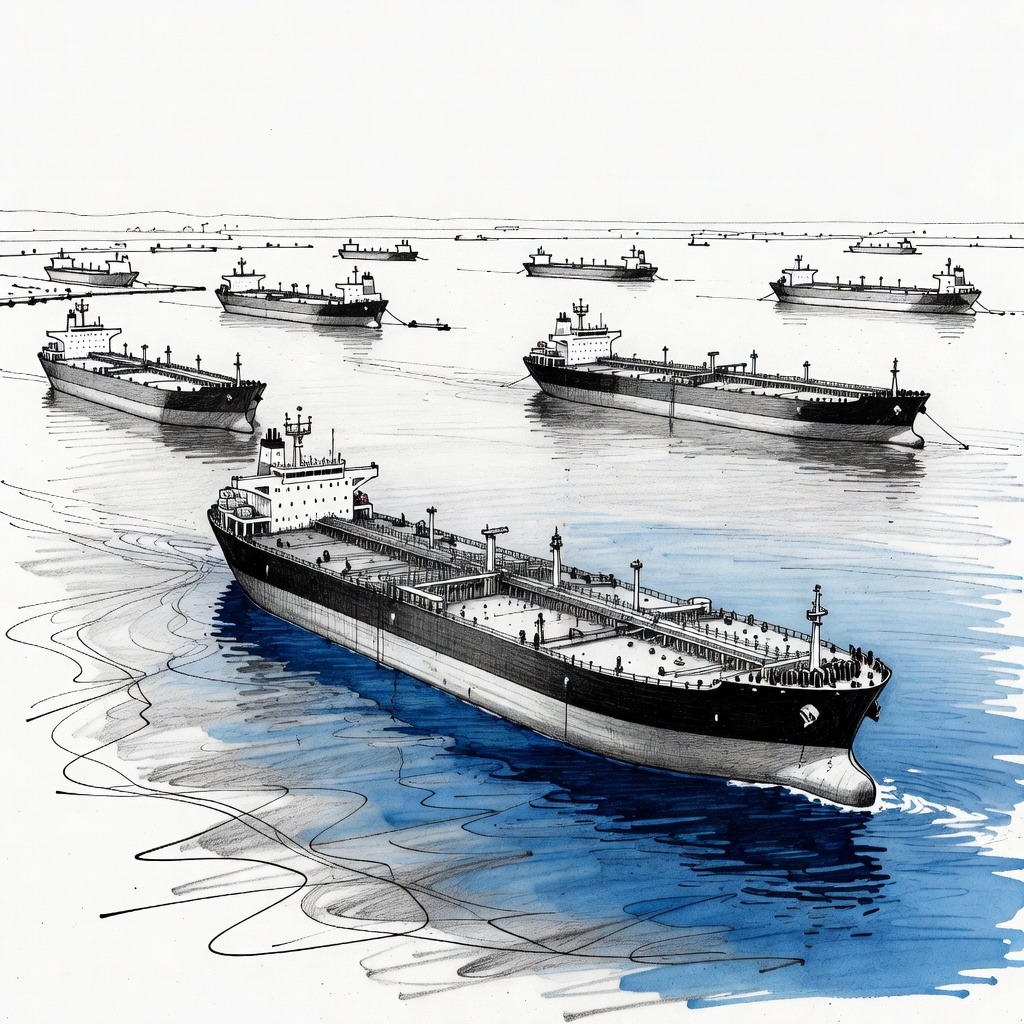
• Halt Destructive Military Escalation Prioritizing global stability over kinetic posturing reveals the February 28 joint strikes as a strategic miscalculation that yielded severe collateral damage. The resultant 55 percent spike in Brent crude and direct attacks on UAE-based Amazon and Oracle data centers demonstrate that military aggression only destabilizes the global commons. Securing this peace agreement is an essential correction to stop the cascading economic and physical toll of a three-month conflict.
• Anchor Multilateral Regional Frameworks Collaborative international diplomacy, rather than unilateral force, is recognized as the only viable mechanism for sustainable conflict resolution. Secretary of State Marco Rubio’s reliance on Gulf partners to develop a framework for reopening waterways proves that regional consensus is required to manage complex issues like Iran's nuclear program. This multilateral approach ensures that any agreement is backed by a broad coalition, neutralizing the immediate threat of blockades while integrating Iran into a managed diplomatic structure.
• Restrain Unilateral Military Gambles The primary risk to this fragile peace is ideological inflexibility and independent military adventurism. Prime Minister Benjamin Netanyahu’s insistence on preserving Israel's "freedom of action" is viewed with deep concern as a potential spoiler that could instantly shatter the negotiated framework. If regional actors bypass this diplomatic off-ramp—despite U.S. assurances regarding the removal of enriched uranium—they risk plunging global energy markets and civilian infrastructure back into the crosshairs of an expanded war.
How it may affect me
As a U.S. reader:
• In the short term, the potential peace agreement and reopening of the Strait of Hormuz could help lower domestic fuel and energy costs by reversing the 55 percent spike in global crude oil prices caused by the blockade.
• American businesses and consumers who rely on major global cloud platforms could benefit from stabilized digital services and supply chains, as an end to the conflict would halt further attacks on physical Amazon and Oracle data centers in the region.
• Over the long term, the framework to dismantle Iran's nuclear capabilities and remove enriched uranium could lower the risk of U.S. military entanglement in a broader war, though ongoing threats of independent military action by Israel could still disrupt global energy markets and infrastructure.