
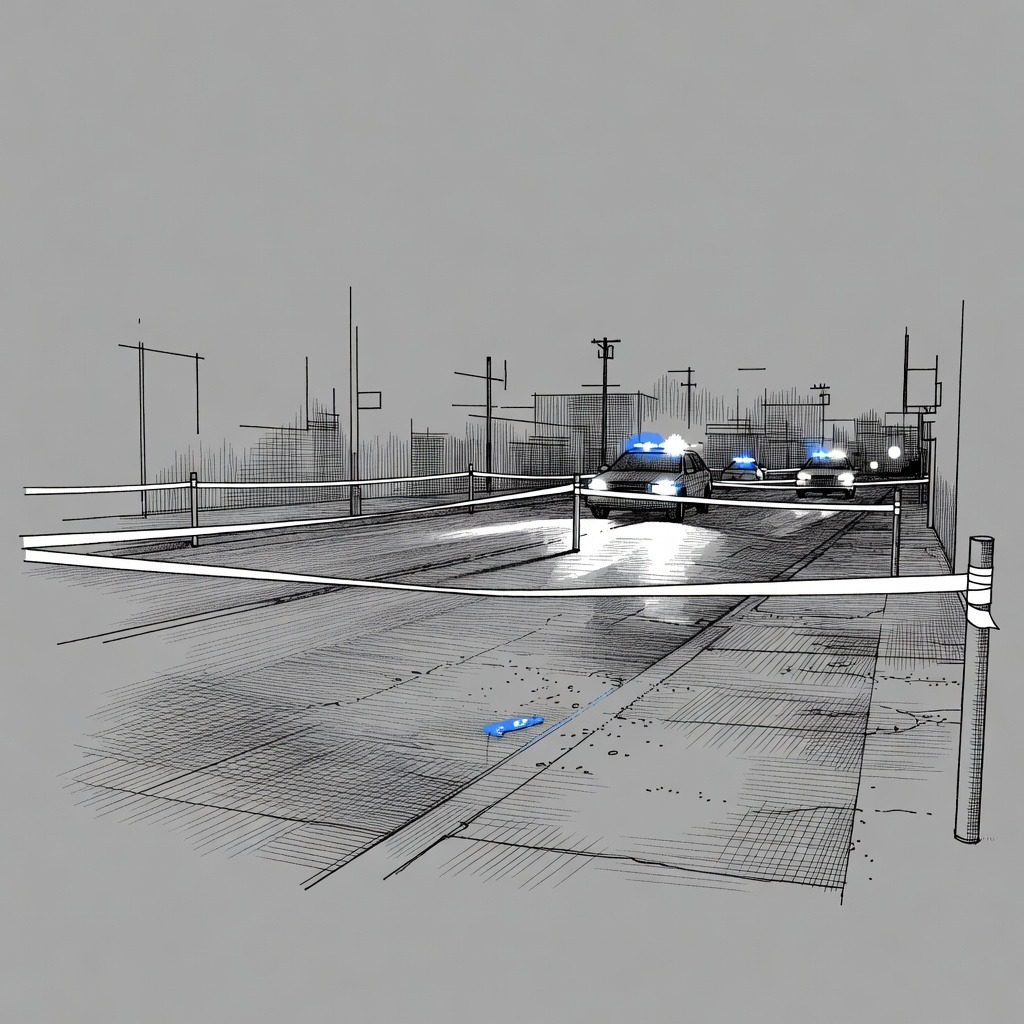
• Collateral Cost of Armed Crossfire Government accountability extends fundamentally to the protection of innocent life in public spaces. The wounding of a civilian bystander amid an exchange involving "dozens of gunshots" exposes the severe human cost of heavily armed engagements in densely populated urban zones. For this camp, a security response that successfully protects the institutional perimeter but results in civilian casualties represents a critical failure in mitigating collateral harm.
• Paralysis of Civic Public Spaces A functioning democracy requires safe, accessible civic zones free from the sudden threat of militarized escalation. The reality of working journalists being forced to dive for cover on the North Lawn before being evacuated highlights the profound disruption of civil society. This normalization of extreme violence transforms a foundational symbol of democratic governance into an active conflict zone, inducing public trauma and suppressing civilian normalcy.
• Symptom of Systemic Vulnerability Reactive security measures, no matter how robust, are viewed as insufficient substitutes for proactive public safety policies. The ability of an armed suspect to access 17th Street and Pennsylvania Avenue to initiate a firefight at a security booth underscores a broader societal failure to regulate lethal weapons. This event is interpreted as a predictable consequence of systemic inaction, leaving both national institutions and everyday citizens exposed to perpetual, preventable danger.
How it may affect me
As a U.S. reader:
• In the short term, civilians visiting or working near federal complexes may encounter immediate disruptions, such as sudden lockdowns and a highly visible presence of interagency law enforcement.
• Bystanders in densely populated civic zones face a practical risk of crossfire and collateral injury during armed security responses to institutional threats.
• Media personnel and citizens operating near government sites may experience forced evacuations and sudden interruptions to their work and daily activities due to emergency tactical operations.
• Over the long term, the incident may influence future public safety and security protocols, highlighting the ongoing tension between implementing proactive weapon regulations and relying on robust perimeter defenses.