
• Shielding the Vulnerable Populace Protecting civilian health and preventing community disruption is the ultimate metric of successful governance. The forced displacement of 40,000 Garden Grove residents and the sudden closure of local schools demonstrate the massive social cost inflicted by industrial hazards. Prioritizing the marginalized and vulnerable, this camp views the strict one-mile evacuation radius and the opening of shelters as a necessary, aggressive government defense against exposure to a severe respiratory irritant.
• Defending Ecological Infrastructure Environmental preservation requires unwavering defense against corporate contamination and industrial byproducts. The urgent construction of containment barriers to divert potential liquid spills from storm drains and local waterways highlights the profound ecological risk imposed by manufacturing facilities. This framework interprets the potential discharge of 7,000 gallons of methyl methacrylate as a systemic threat to shared public resources, validating the need for strict environmental oversight.
• Indicting Corporate Negligence Challenging the institutional status quo means treating industrial failures as dangerous lapses in accountability rather than unavoidable accidents. The escalating risk of thermal runaway and authorities' warnings of inevitable tank failure indicate a severe breakdown in operational safety at GKN Aerospace. This perspective fears that merely accepting the company's "cooperation" ignores the underlying regulatory failures that allowed a highly volatile, flammable chemical to threaten a densely populated municipality in the first place.
How it may affect me
As a U.S. reader:
• Residents and travelers in Orange County face immediate, short-term disruptions including displacement to emergency shelters, local school closures, and canceled public events due to the mandatory one-mile evacuation zone.
• Individuals near the affected facility face potential short-term health hazards, as exposure to the leaking methyl methacrylate can cause severe irritation and damage to the lungs, skin, and eyes.
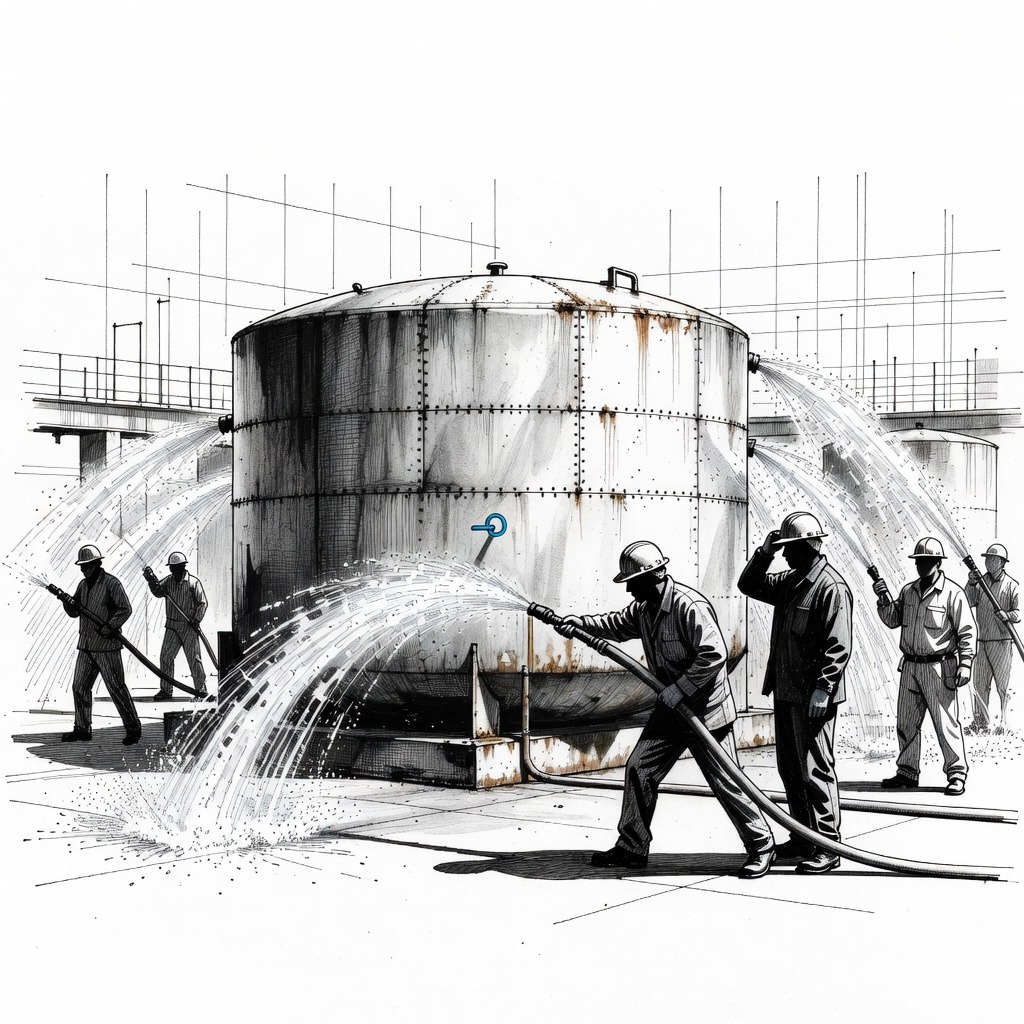
• Nearby infrastructure faces the immediate threat of explosions and spreading fires if ongoing water cooling efforts fail to prevent the chemical tank from undergoing thermal runaway and igniting adjacent storage containers.
• The local environment faces a short-term risk of contamination to public waterways and storm drains if the constructed containment dams are unable to manage the anticipated 7,000-gallon chemical spill.
• The broader United States public outside of this specific California municipality is not expected to experience significant practical impacts, as emergency services have strategically contained the hazard to a localized area.