
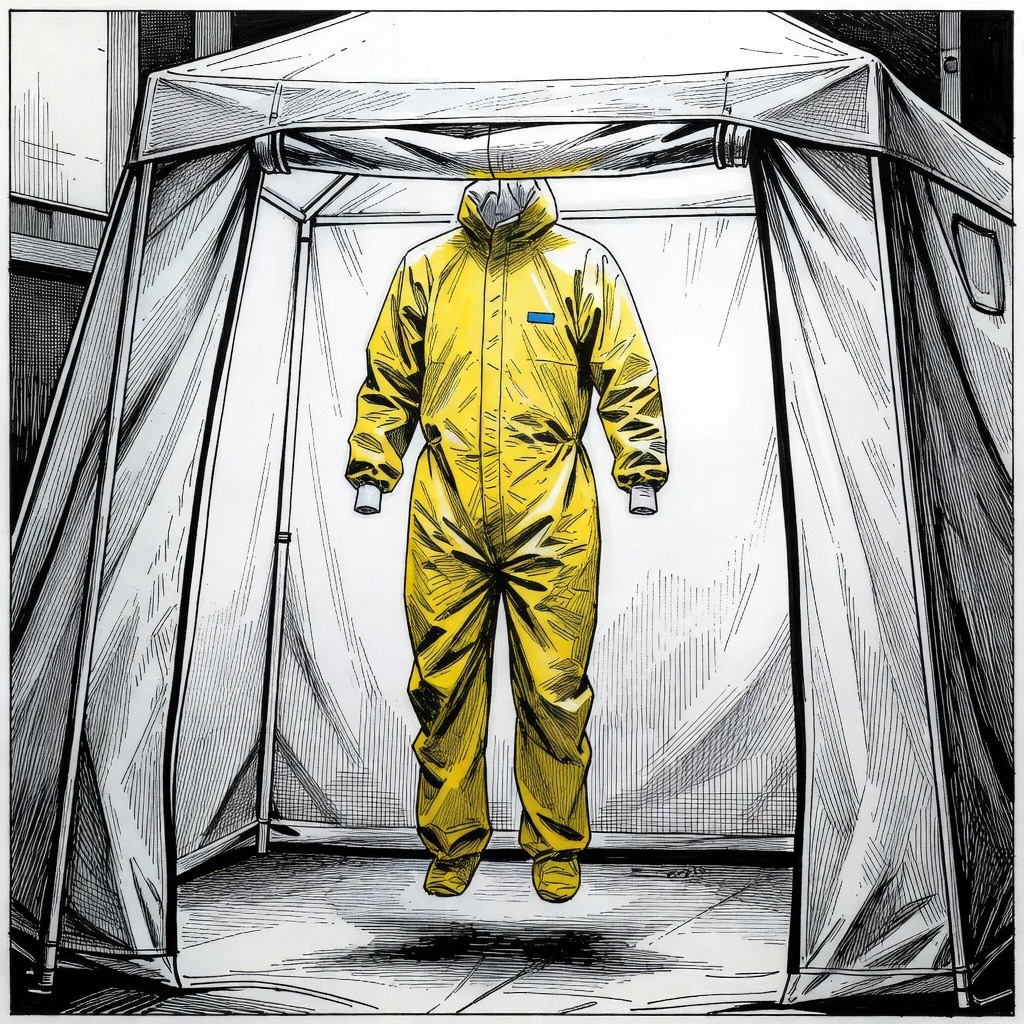
• Shielding Frontline Aid Workers The tragic death of three Red Cross volunteers underscores a systemic failure in early detection and global health resourcing rather than a mandate for isolationism. Humanitarians view the late March exposure—occurring before the outbreak was even recognized—as a critical reminder that frontline workers bear the heaviest cost of underfunded medical infrastructures. Protecting the vulnerable requires surging international medical aid to the Democratic Republic of Congo rather than retreating behind borders.
• Condemning Blanket Exclusionary Mandates The Centers for Disease Control and Prevention's 30-day entry ban on foreign nationals visiting Congo, Uganda, or South Sudan represents a reactionary and punitive approach to public health. By enacting sweeping travel restrictions, this framework argues that authorities are prioritizing political theater over targeted, science-based screening. Broad bans risk stigmatizing entire regions, severely disrupting the flow of essential medical supplies and humanitarian personnel needed to combat the 82 confirmed cases.
• Resisting National Origin Stigmatization Forcing the Congolese national soccer team into a strict 21-day isolation in Belgium before the World Cup illustrates an overzealous application of border authority that borders on discriminatory. This camp interprets the White House task force's threats to revoke travel privileges—and the resulting cancellation of the team's prep camp—as an inequitable penalty based solely on nationality. Sacrificing international goodwill and civil liberties for the illusion of perfect security creates a dangerous precedent for treating foreign nationals as inherent threats.
How it may affect me
As a U.S. reader:
• Short-term travel experiences will involve enhanced health screenings at domestic airports as part of the immediate federal response to the outbreak.
• The 30-day entry ban on foreign nationals who recently visited Congo, Uganda, or South Sudan will immediately disrupt international itineraries and could restrict the flow of medical supplies and humanitarian personnel.
• A long-term health risk exists if the virus manages to bypass domestic containment measures, as this specific Bundibugyo strain currently lacks an approved vaccine or medical treatment.
• Fans attending or following the upcoming World Cup may experience event alterations or cancellations, as the Congolese national team has already canceled its U.S. preparation camp and risks losing its ability to compete if any member develops symptoms during their mandatory 21-day isolation.