
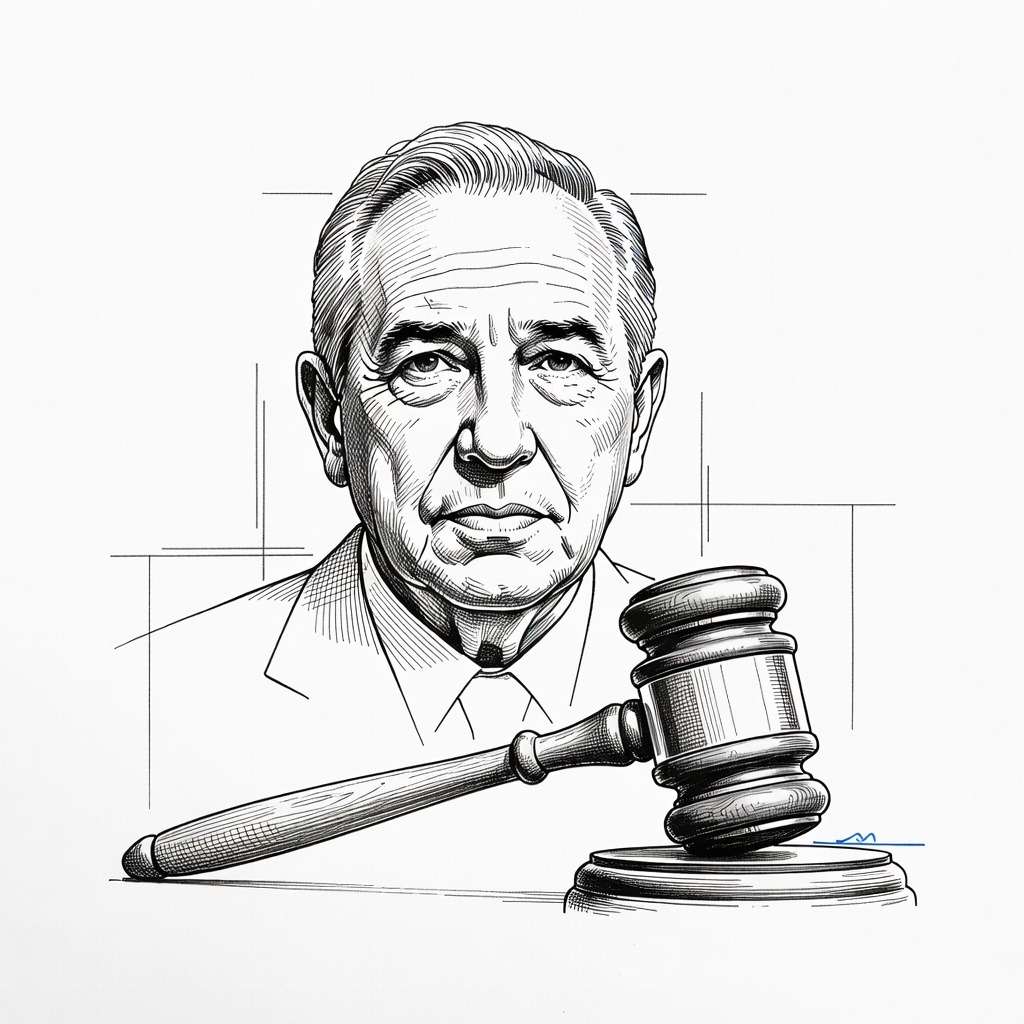
• Pretext for Military Escalation Prioritizing diplomatic de-escalation, this framework views the sudden indictment of 94-year-old Raúl Castro for a 1996 event as a provocative geopolitical maneuver rather than a timely pursuit of justice. The amplification of Marco Rubio’s rhetoric framing Cuba as a current national security threat is perceived as a dangerous, manufactured justification for conflict. In this view, Cuban President Miguel Díaz-Canel’s warning of a potential "bloodbath" highlights the severe, tangible risks of prioritizing aggressive posturing over international stability.
• Catalyst for Civilian Suffering Evaluating the geopolitical landscape through a humanitarian lens exposes the devastating collateral damage of escalating U.S. economic sanctions. The total exhaustion of Cuba's oil and diesel supplies, resulting in severe power cuts detailed by Energy Minister Vicente de la O Levy, demonstrates how maximum-pressure campaigns primarily crush vulnerable civilian populations. This perspective argues that weaponizing an energy crisis creates widespread human misery without meaningfully reforming the targeted state apparatus.
• Engine of Diplomatic Stability Valuing long-term regional integration and de-escalation, this camp defends Barack Obama’s 2016 normalization efforts as a necessary evolution beyond Cold War-era isolationism. Critics like Francis Suarez are viewed as clinging to a failed status quo that perpetually isolates neighboring nations to appease domestic political factions. By abandoning diplomacy in favor of indictments and sanctions, this perspective fears the U.S. actively severs vital communication channels, guaranteeing perpetual hostility and stalling civil progress on the island.
How it may affect me
As a U.S. reader:
• You may experience heightened national security concerns in the short term, as escalating rhetoric and warnings of a potential military conflict increase the risk of regional instability.
• You will likely observe renewed domestic political division, as lawmakers use this indictment to fiercely debate whether future U.S. foreign policy should prioritize diplomatic normalization or hardline economic sanctions.
• In the long term, this legal action is intended to reinforce global strategic deterrence, potentially impacting the safety of U.S. citizens abroad by establishing strict consequences for foreign military aggression.
• You can expect a prolonged period of diplomatic hostility and severed communication between the United States and Cuba, as current policies prioritize institutional pressure and sanctions over regional integration.