
• Leverage Multilateral Diplomatic Channels Prioritizing negotiated settlements over unilateral force makes Pakistan’s mediation a vital lifeline in this destructive three-month conflict. By utilizing Pakistani Army Chief Asim Munir as a conduit to Tehran, this approach bypasses the rigid bilateral hostility that initially fueled the war. Indirect negotiations represent the most pragmatic mechanism to de-escalate tensions without requiring immediate, face-losing public concessions from either entrenched side.
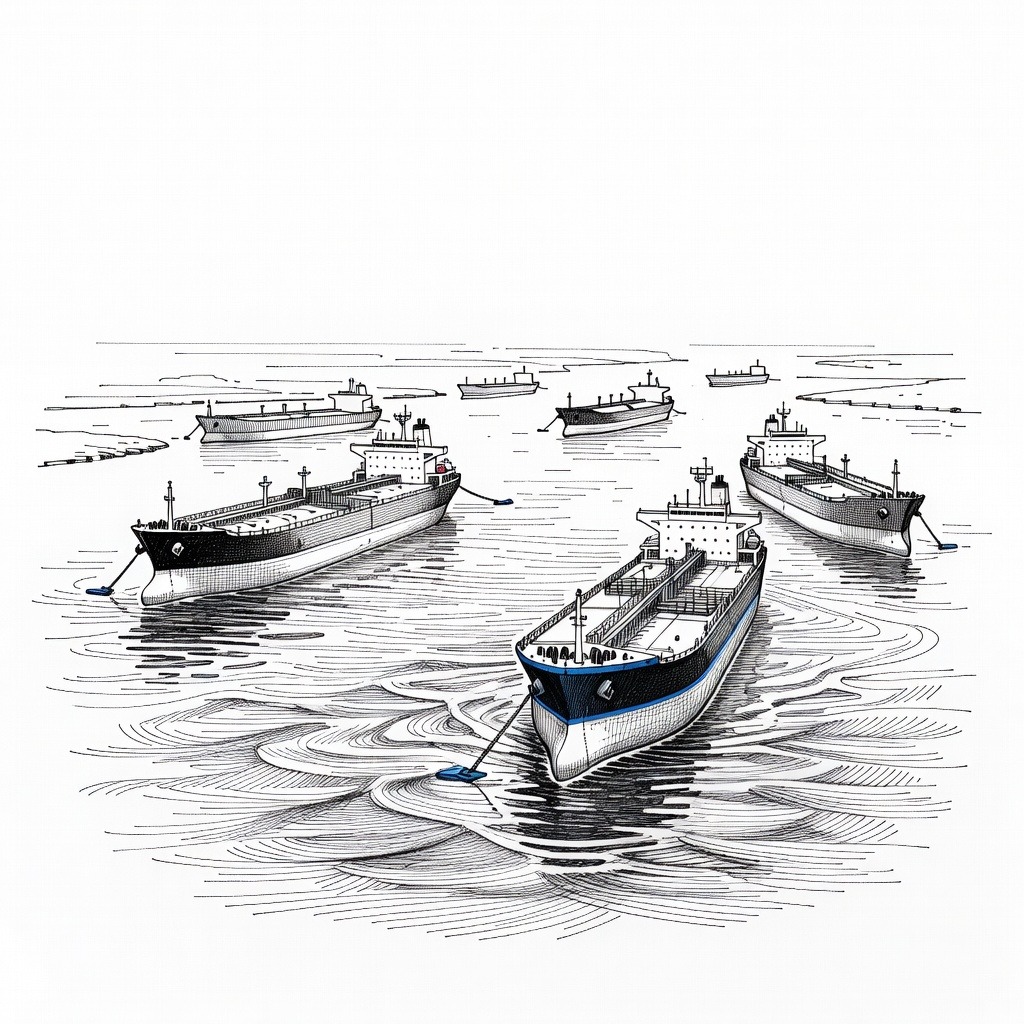
• Halt Global Economic Bleeding Protecting global stability highlights the catastrophic systemic failure of prolonged maritime standoffs and blockades. With international crude oil prices surging 45 percent and maritime traffic halted in the Strait of Hormuz, the broader economic collateral damage is unsustainable for global populations. This perspective views the mutual strangulation of trade—both the U.S. blockade on Iranian ports and Tehran’s transit restrictions—as a lose-lose scenario that disproportionately harms innocent global consumers.
• Defuse Brinkmanship and Ultimatums Relying on threats of severe military action directly undermines the fragile diplomatic off-ramp currently under review. Trading ultimatums with the Revolutionary Guard, who have promised to expand the conflict if U.S. or Israeli strikes resume, risks triggering a devastating regional conflagration. True long-term security requires moving away from zero-sum military posturing to ensure the peace proposal is evaluated on diplomatic merits rather than under the shadow of imminent bombardment.
How it may affect me
As a U.S. reader:
• In the short term, you are likely facing higher domestic fuel and energy costs due to the 45 percent surge in international crude oil prices caused by the ongoing maritime standoff.
• You may see U.S. armed forces engaged in expanded combat operations within a few days if the peace proposal is rejected and the president resumes severe military strikes.
• If the indirect negotiations succeed, the lifting of U.S. blockades and Iranian transit restrictions in the Strait of Hormuz could restore normal global shipping and eventually lower consumer expenses.
• A collapse of these diplomatic talks carries the long-term risk of a wider regional war involving U.S. and Israeli forces, which both perspectives warn would cause sustained economic damage and global instability.