
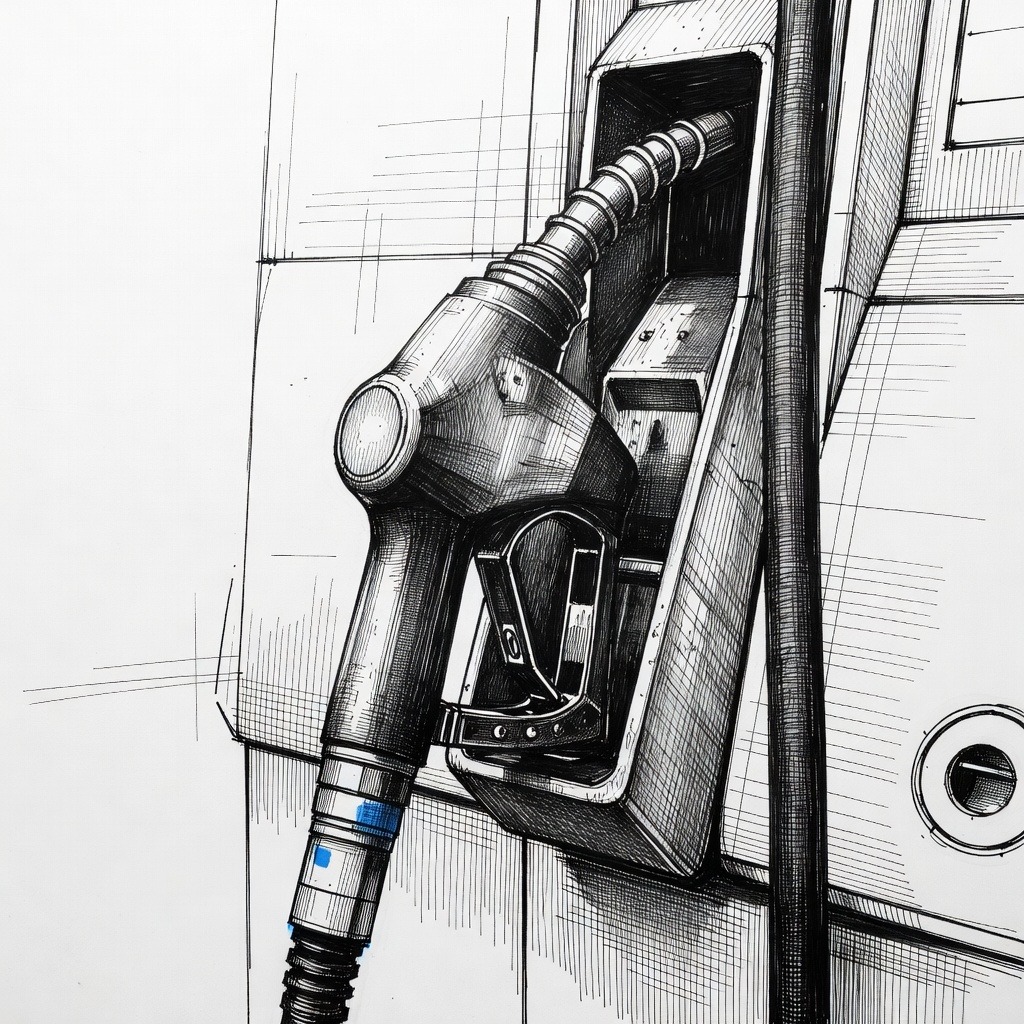
• Exposing Household Financial Fragility Prioritizing social equity reveals how global geopolitical shocks disproportionately punish working-class households. The $1.40 surge in gasoline prices since late February is not merely a market fluctuation, but a regressive tax on daily commuters. When over half of Americans report fuel costs as a direct financial hardship, it highlights the structural failure of an energy system that forces vulnerable consumers to absorb the full economic blow of foreign conflicts.
• Forced Retreat to Austerity Consumer protection frameworks view the shift toward discount fuel stations and store-brand groceries as a distress signal rather than healthy market adaptation. The projected 20 percent increase in foot traffic at convenience retailers over Memorial Day demonstrates how basic survival budgets are being squeezed. Families are stripping away discretionary spending and quality-of-life purchases just to fund mandatory transit, signaling a dangerous, involuntary contraction in household wealth.
• Trapped by Compounding Pressures A focus on wealth protection warns that structural dependencies leave the public trapped with no immediate off-ramp from these rising costs. Forecasts projecting a $4.80 average through Labor Day—and potentially a record $5.02 if the Strait of Hormuz remains closed—demonstrate how domestic mandates like summer fuel blends compound international supply crises. This inevitable squeeze forces consumers to bear the dual burden of regulatory costs and global supply chain disruptions without any institutional safety net.
How it may affect me
As a U.S. reader:
• You will face higher daily commuting and travel expenses in the short term, with gas prices currently over $4.50 per gallon and potentially peaking near $5.02 if Middle East shipping disruptions continue.
• Your everyday shopping routines will likely require budget adjustments, forcing you to offset mandatory fuel costs by cutting discretionary spending and substituting national brands with more affordable store-brand groceries.
• You can expect busier environments and longer lines at discount fuel stations and convenience stores, as these retailers anticipate up to a 20 percent increase in customer traffic from shoppers seeking cost-effective alternatives.
• You will experience unavoidable near-term price increases at the pump driven by a combination of global supply shocks and routine domestic factors, such as seasonal travel spikes and mandated summer fuel blends.
• You may need to incorporate these elevated costs into your long-term financial planning, as industry forecasts suggest average retail gas prices will remain high through the end of the year and may not decline until 2027.