
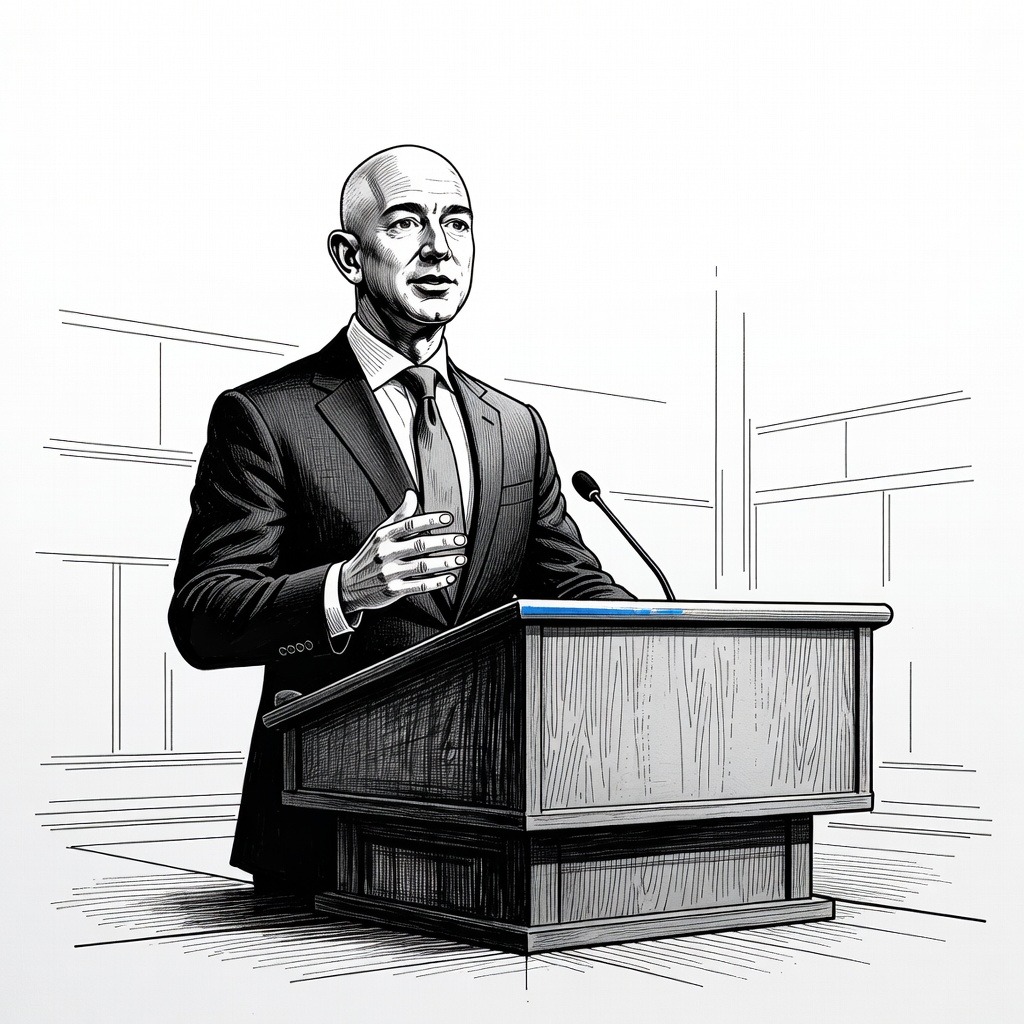
• Deflecting Systemic Wealth Extraction Exempting the bottom half of earners from federal income tax is viewed as a calculated distraction from structural economic imbalance. Because this demographic—earning under $53,801 annually—only accounts for three percent of total federal income taxes, eliminating their 3.7 percent average rate offers minimal systemic disruption to the status quo. True economic equity requires taxing the hoarded capital at the top, rather than offering token marginal tax relief to the working class to protect extreme wealth concentration.
• Shielding Untouchable Capital Accumulation Dismissing the "buy, borrow, die" strategy as a myth protects the fundamental mechanism by which dynastic wealth operates. By pointing to his personal, periodic stock sales as proof of tax compliance, Bezos obscures how the ultra-wealthy leverage massive unrealized gains to live luxuriously while avoiding proportional taxation. Legislative interventions, such as Senator Warren’s Ultra-Millionaire Tax Act for households over $50 million, are seen as essential to dismantling a system where capital growth endlessly outpaces labor wages.
• Entrenching Neo-Gilded Aristocracies Allowing the world's wealthiest individuals to frame the parameters of tax reform risks cementing a permanent oligarchic class. If policymakers accept the premise that closing asset loopholes will not resolve inequality, momentum for necessary redistribution mechanisms—such as California's proposed one-time tax on billionaires—will stall. The ultimate fear is an entrenched system where the working class is placated with minor tax relief while the top echelon maintains absolute economic and political control.
How it may affect me
As a U.S. reader:
• Taxpayers earning under 53,801 dollars annually would see their average 3.7 percent federal income tax burden eliminated, directly increasing their immediate take-home pay and consumer spending power.
• In the short term, removing this tax requirement for the bottom half of earners could lower financial barriers for working-class entrepreneurship and stimulate localized economic activity.
• Over the long term, if minor tax relief for lower earners successfully stalls momentum for new taxes on the ultra-wealthy, the general public may experience entrenched inequality as elite capital growth continues to outpace everyday labor wages.
• Alternatively, if lawmakers bypass income tax cuts and instead implement proposed wealth taxes on households worth over 50 million dollars, the broader public could face long-term economic slowdowns if forced corporate liquidations suppress market investment and national growth.