
• Shielding Shared Civic Heritage The unilateral demolition of the East Wing represents a dangerous circumvention of established preservation norms. This camp views the destruction of a historical landmark as a violation of public trust, prioritizing the National Trust for Historic Preservation’s mandate to protect the architectural status quo. They argue that treating the White House like a private real estate venture erases civic history and undermines the institutional continuity owed to the American people.
• Gamble of Privatized Influence Seeking $400 million in private donations for a federal executive facility introduces severe ethical vulnerabilities and transparency risks. Advocates for government accountability believe that relying on private capital to build presidential infrastructure subverts the constitutional "power of the purse" traditionally held by Congress. They fear that wealthy financiers bankrolling a White House complex are effectively purchasing unprecedented access and undue influence at the highest levels of government.
• Anchor of Constitutional Checks The administration's reliance on appeals court interventions to bypass lower court rulings on non-security construction signals a troubling expansion of executive overreach. Democrats and institutionalists view the rejection of the $1 billion GOP proposal by the Senate parliamentarian as a vital defense of legislative authority. They warn that allowing unilateral construction to proceed without explicit congressional approval sets a hazardous precedent that degrades the foundational system of checks and balances.
How it may affect me
As a U.S. reader:
• In the short term, the project's reliance on private donations may prevent the use of taxpayer funds, though long-term public spending could be impacted if future legislative efforts to allocate federal security funds to the site are successful.
• The permanent demolition of the East Wing alters the architectural landscape of the White House, resulting in the public loss of a long-standing historic landmark and shared civic heritage.
• Securing hundreds of millions of dollars from private financiers to fund federal executive facilities creates a long-term potential for wealthy donors to gain unprecedented access and influence over the highest levels of government.
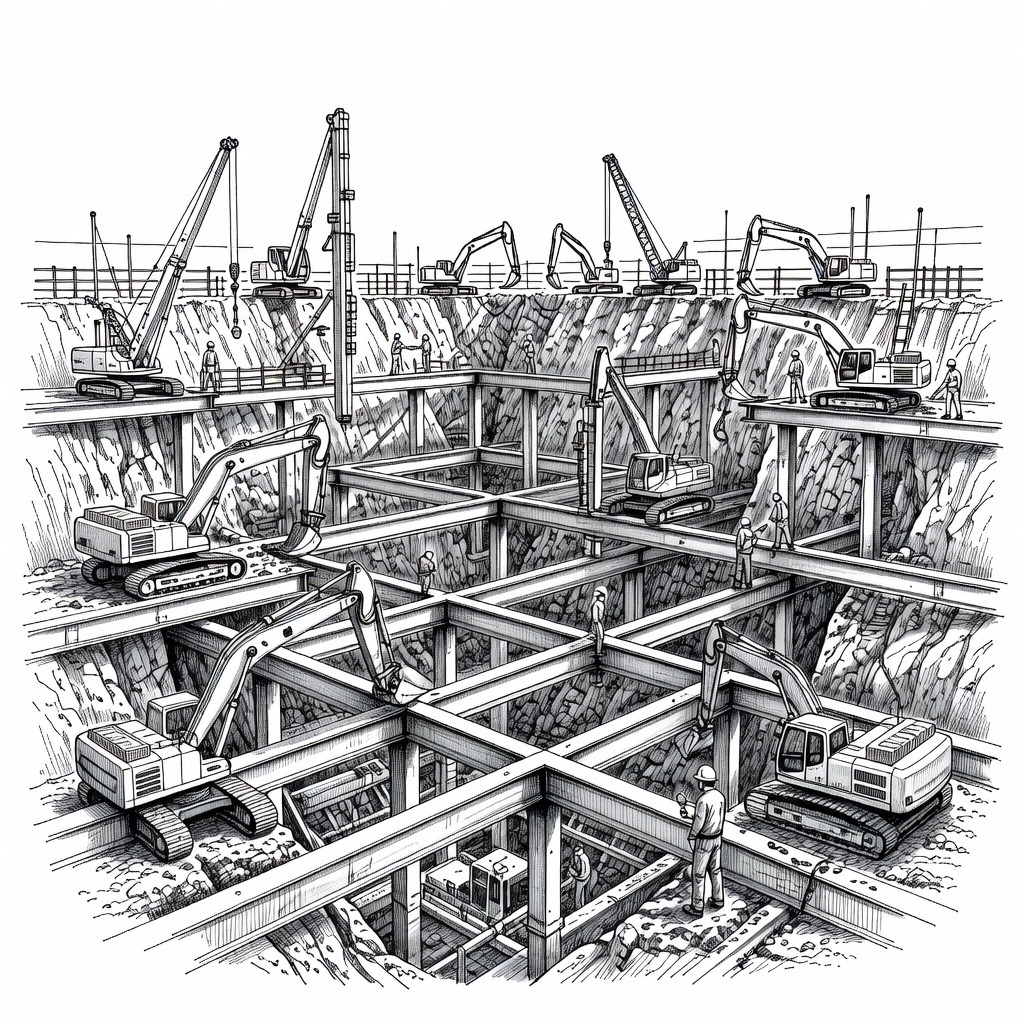
• The construction of a heavily fortified subterranean complex, complete with a military hospital and drone port, may ensure long-term leadership stability and continuity of government during severe national security threats.
• The administration's ability to proceed with construction by bypassing legislative funding approvals and lower court restrictions could establish a long-term legal precedent that shifts power away from Congress and alters constitutional checks and balances.