
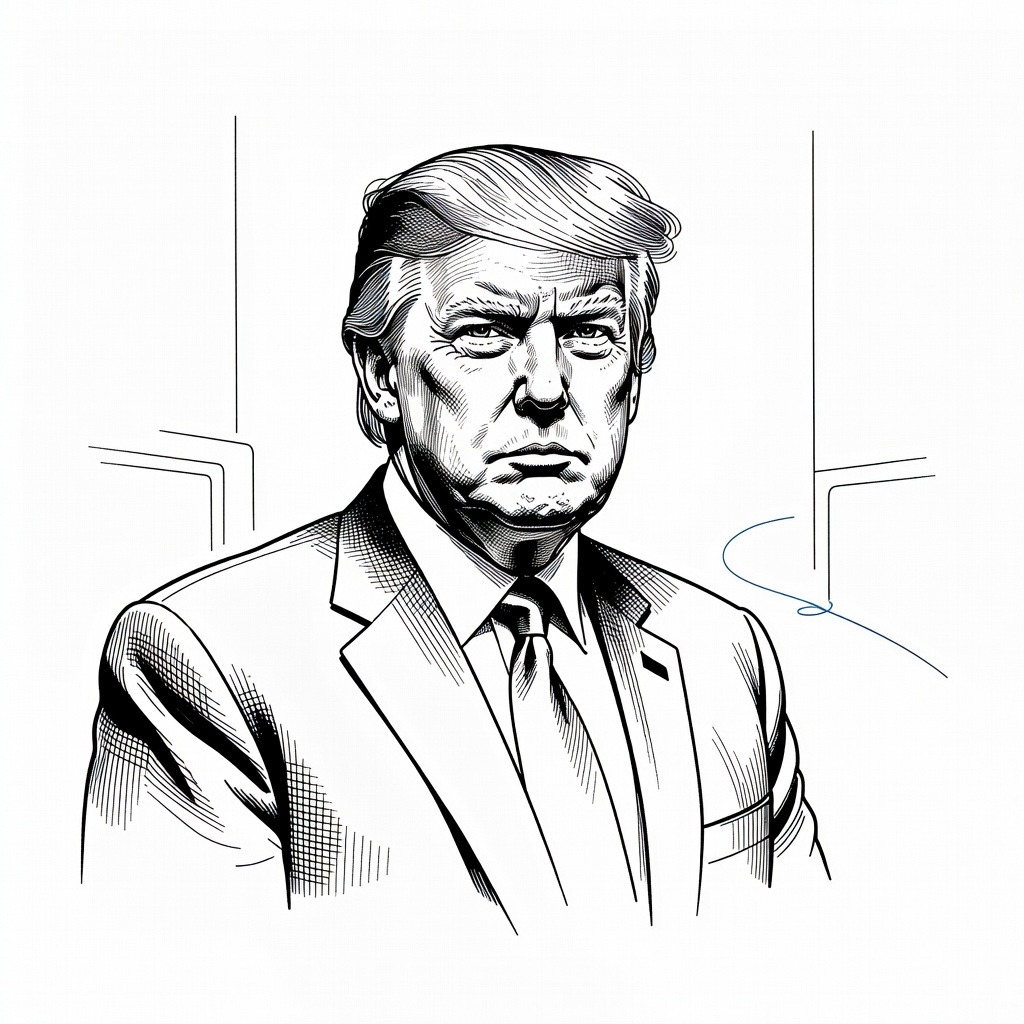
• Anchor of Diplomatic Restraint Prioritizing de-escalation prevents the catastrophic expansion of a highly destructive regional war. President Trump’s decision to cancel planned strikes during an active ceasefire validates the use of international mediation, such as the ongoing Pakistani-brokered negotiations. Relying on diplomacy rather than preemptive force stabilizes the region without provoking the broader, global retaliation explicitly threatened by the IRGC.
• Shield of Legislative Oversight Restricting executive overreach is absolutely essential for maintaining democratic accountability during foreign conflicts. The 50-47 Senate vote to limit presidential war powers serves as a vital constitutional guardrail against unilateral military escalation. This institutional check ensures that decisions carrying massive geopolitical and human risks require rigorous congressional scrutiny rather than singular authorization.
• Condemning the Humanitarian Toll Military intervention inherently risks devastating collateral damage that violates the core tenets of international law. The February strike on a girls' school, which resulted in over 165 deaths, illustrates the unacceptable civilian cost of this specific conflict. Even considering CENTCOM's justification regarding a hidden missile facility, the massive loss of non-combatant life demonstrates why armed force must remain an absolute last resort.
How it may affect me
As a U.S. reader:
• The explicit warning from Iranian forces to extend retaliation beyond the Middle East introduces a potential long-term security risk for Americans globally if the current ceasefire fails and military strikes resume.
• The recent resumption of commercial shipping and oil transport through the Strait of Hormuz provides short-term stability to global energy markets, which can prevent economic and fuel supply disruptions for U.S. consumers.
• The Senate vote advancing limits on presidential war powers could lead to long-term changes in domestic policy, directly affecting how U.S. military resources and personnel are committed to future international conflicts without congressional oversight.