
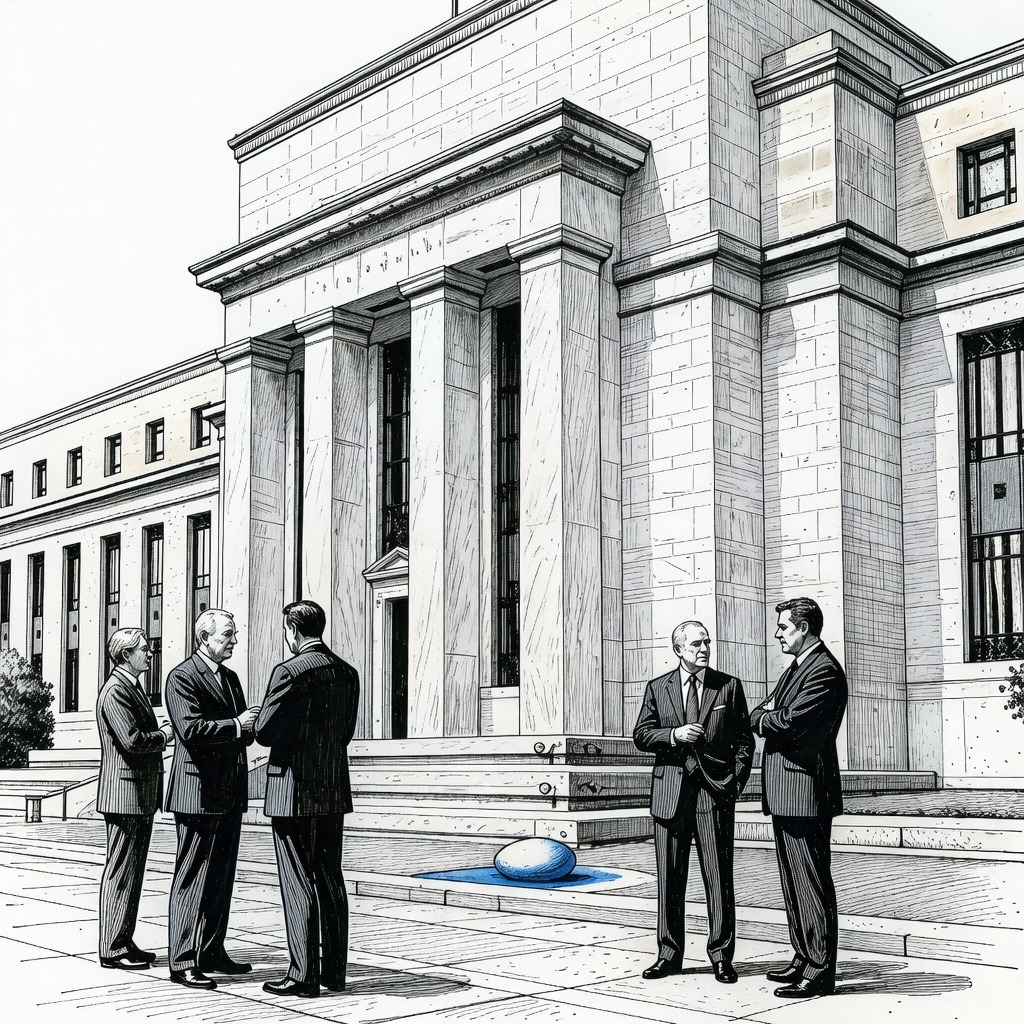
• Shield Against Elite Capture Stringent divestment regulations forced upon incoming officials represent a crucial defense for institutional integrity. Because Kevin Warsh enters the role as the wealthiest modern Federal Reserve chair, his vast investment portfolio poses a direct risk of systemic conflict of interest. Liquidating these assets ensures that monetary policy decisions prioritize the economic health of the broader public over private wealth preservation.
• Gamble With Consumer Purchasing Pressuring the central bank to prematurely lower the 3.5 to 3.75 percent benchmark rate prioritizes cheap corporate debt over the purchasing power of everyday households. Geopolitical shocks, specifically the conflict in Iran, are actively driving up domestic living costs through sustained inflation. Cutting rates in a high-inflation environment threatens to erode real wages, disproportionately harming vulnerable consumers while artificially boosting equity markets for asset holders.
• Barrier to Economic Mobility Uncontrolled long-term borrowing costs, reflected in the 30-year Treasury bond yield surging past 5 percent, create insurmountable hurdles for working-class financial advancement. If the Federal Reserve fails to acknowledge these inflationary pressures, systemic market unrest will inevitably tighten consumer credit and paralyze the housing market. Allowing inflation to dictate market terms shifts the burden of macroeconomic mismanagement directly onto everyday citizens seeking financial stability.
How it may affect me
As a U.S. reader:
• Your everyday purchasing power and living costs could be impacted in the near term by how the central bank responds to domestic inflation spikes driven by the conflict in Iran.
• You may experience changes in the cost of borrowing for everyday consumer credit, as the Federal Reserve weighs administrative pressure to lower interest rates against market demands for a rate hike by July.
• Your long-term ability to attain financial stability or enter the housing market could be hindered if 30-year Treasury bond yields continue to exceed 5 percent and consumer credit tightens.
• You will be subject to monetary policies guided by a chairman who was required to liquidate a significant portion of his wealth to comply with regulations, a step intended to ensure federal economic decisions prioritize the general public over private interests.