
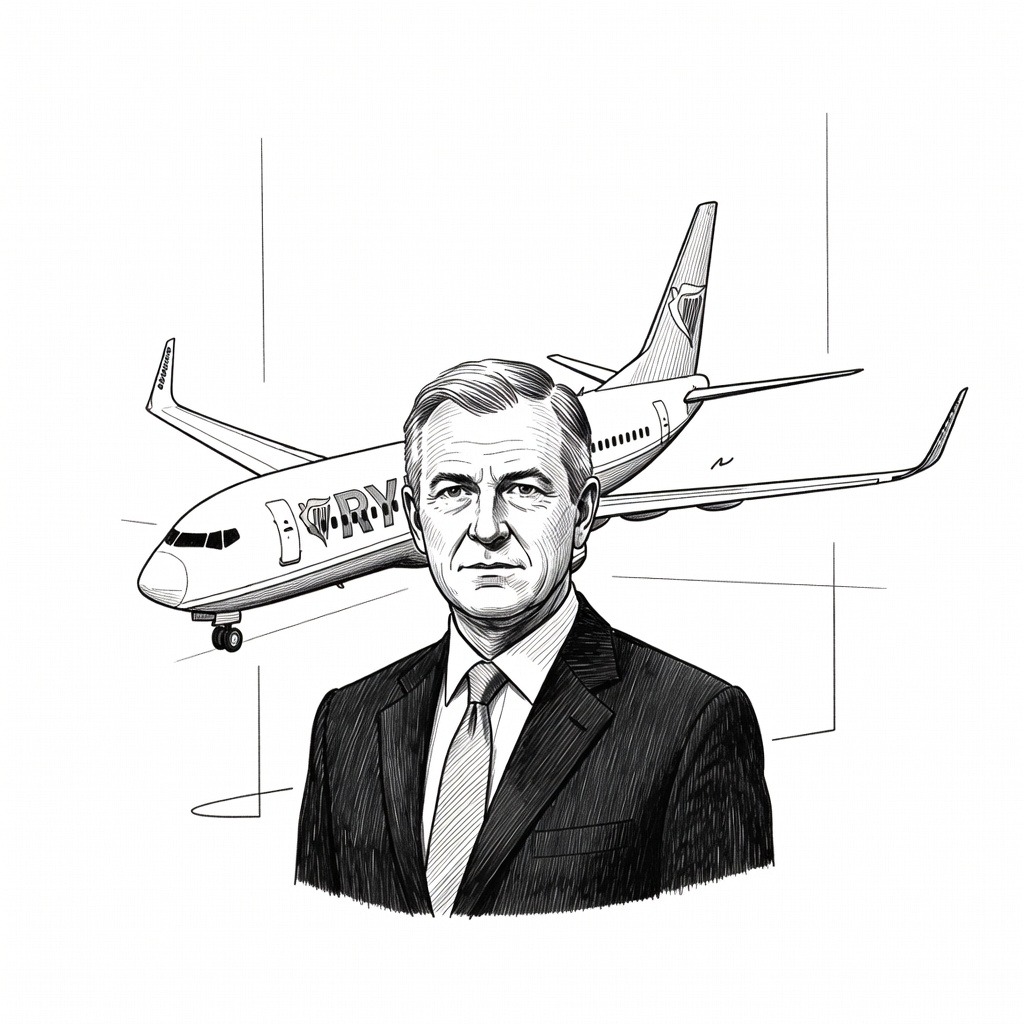
• Exposing Corporate Value Extraction Prioritizing consumer protection requires scrutinizing how a company achieves a 40 percent profit increase to 2.3 billion euros while overall revenue drops 11 percent. The Consumer Advocate views this divergence as evidence of corporate extraction, where profit margins are padded through aggressive pricing and reduced service costs rather than shared prosperity. Because executives explicitly refuse to rule out future price increases despite having no immediate fuel surcharge, this financial maneuvering is seen as an ongoing threat to everyday travelers already squeezed by broader inflation.
• Consolidation Threatens Consumer Choice The anticipated collapse of weaker European airlines is viewed not as a neutral economic reality, but as a dangerous escalation of corporate monopolization. When executives highlight the failure of Spirit Airlines to forecast broader industry casualties, it signals a looming crisis for fair competition. If smaller competitors are wiped out by surging fuel costs, massive aviation giants like Ryanair will absorb the remaining market share, inevitably reducing affordable options and leaving consumers entirely vulnerable to unchecked ticket pricing.
• Catalyzing Sustainable Transit Alternatives Market volatility tied to Middle East conflicts and the Strait of Hormuz exposes the deep systemic fragility of relying on fossil-fuel-dependent travel infrastructure. As European travelers adapt to fuel shortage fears by pivoting to rail travel or localized short-haul flights to Southern Europe, this shift is celebrated as a necessary behavioral correction. This framework views the impending jet fuel crisis as a vital catalyst to accelerate public investments in sustainable, equitable rail networks, permanently breaking consumer reliance on volatile corporate airlines.
How it may affect me
As a U.S. reader:
• In the short term, you may see shifts in domestic energy supply and demand as Europe increases its reliance on the United States for summer oil supplies to avoid Middle East conflicts.
• U.S. tourists traveling within Europe this summer can expect full flight schedules without immediate fuel surcharges on Ryanair, though they should anticipate potential ticket price increases in the long term.
• The noted collapse of Spirit Airlines under heavy debt and surging costs signals a long-term trend of market consolidation, which could leave consumers with fewer affordable flight options and higher ticket prices as larger airlines absorb the remaining market share.
• Those planning future European vacations may need to adapt their transit methods, as regional fuel shortage fears are accelerating a shift toward rail travel and localized short flights primarily focused on Southern Europe.