
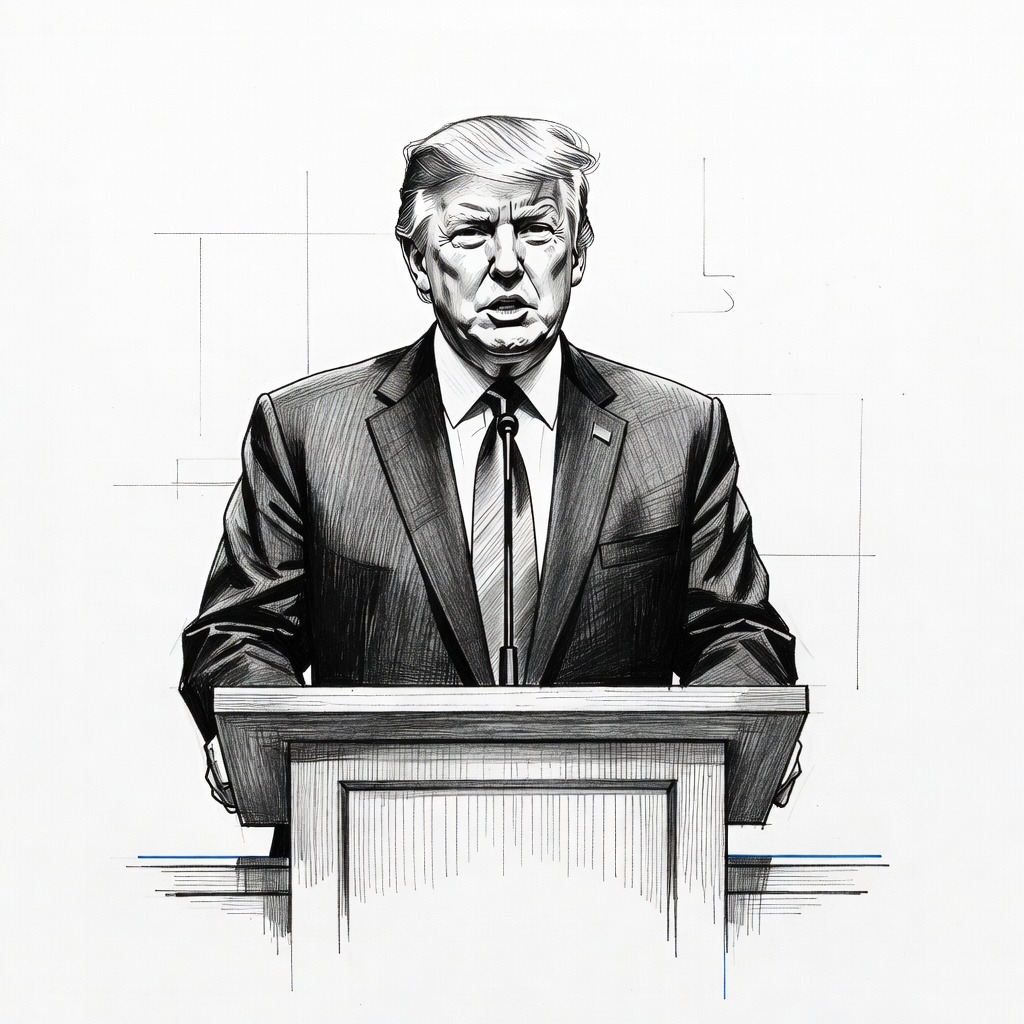
• Gamble of Military Brinkmanship President Trump’s threat of "severe consequences" and the ongoing U.S. blockade on Iranian ports represent a dangerous prioritization of militaristic ultimatums over diplomatic de-escalation. Imposing artificial timelines while negotiations are actively proceeding through Pakistani mediators risks shattering the fragile April ceasefire. This aggressive posturing forces a defensive reaction from Tehran, undermining genuine peace efforts and increasing the likelihood of a devastating armed conflict that resolves nothing.
• Toll of Weaponized Chokepoints The reciprocal closure of the Strait of Hormuz and Iranian ports inflicts profound collateral damage on the global public by treating critical trade routes as instruments of war. With Brent crude spiking to $111 per barrel and the IEA reporting a record-pace depletion of stockpiles, everyday consumers are absorbing the cost of this geopolitical standoff. The looming threat of physical oil shortages hitting Europe by May and the U.S. by summer demonstrates how aggressive containment strategies ultimately extract a massive economic toll from civilian populations.
• Catalyst for Regional Catastrophe The unclaimed drone strike on the UAE’s Barakah nuclear plant highlights the unacceptable risks of maintaining a highly militarized, high-tension regional environment. Subordinating diplomatic channels to military posturing creates a volatile vacuum where rogue actors or simple miscalculations can easily trigger a catastrophic event, such as a radiological leak. Relying on reciprocal hostility rather than international law guarantees perpetual instability, ensuring that even localized hostilities threaten broader global security.
How it may affect me
As a U.S. reader:
• Consumers will likely experience immediate increases in everyday fuel and energy prices as international crude oil markets face significant volatility and spike to 111 dollars per barrel.
• The general public could encounter physical gasoline shortages during the upcoming summer driving season if the prolonged closure of the Strait of Hormuz continues to deplete international oil stockpiles.
• Elevated economic costs at the pump are expected to persist in the medium term even if the waterway reopens, as complex transit and refining logistics will delay market normalization for several weeks.
• Citizens face broader long-term global security risks, as the combination of military ultimatums, ongoing port blockades, and regional drone strikes increases the potential for a devastating armed conflict.