
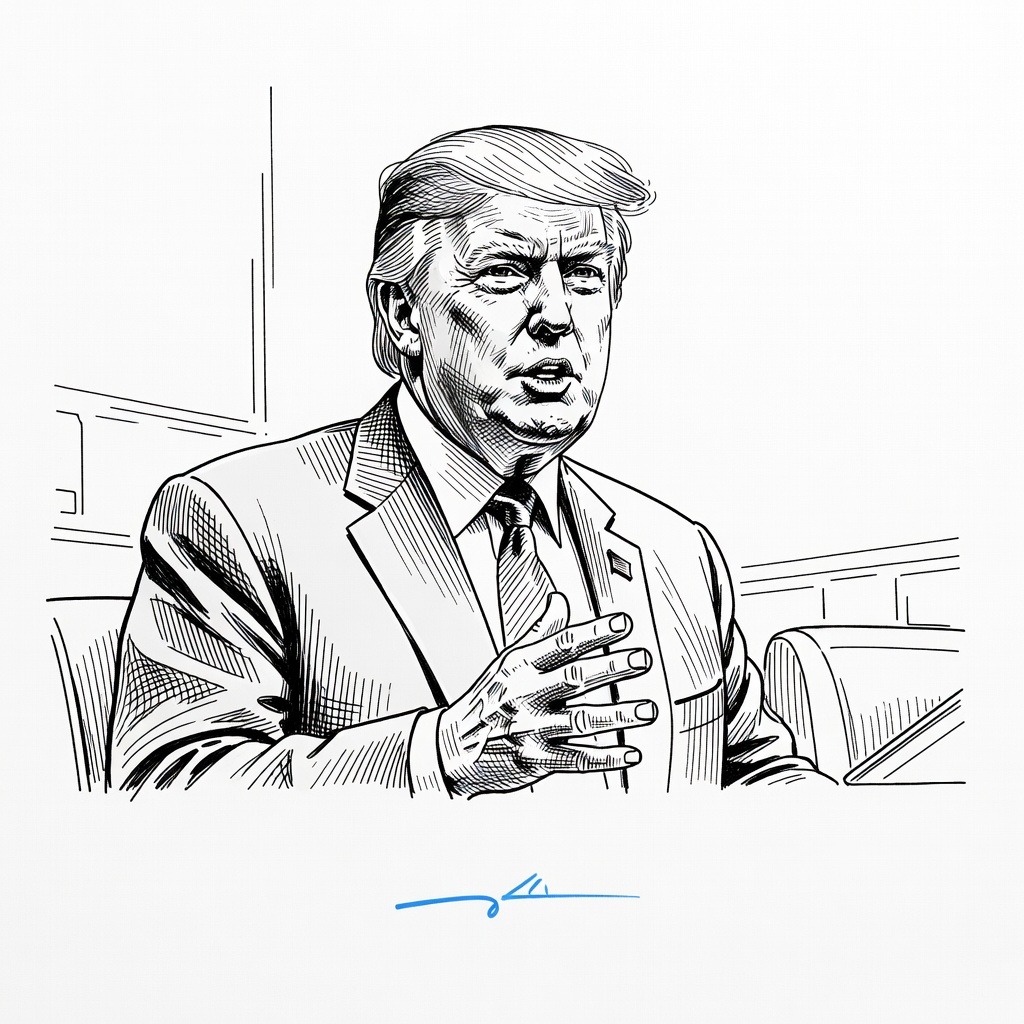
• Illusion of Top-Down Deals Prioritizing government accountability reveals the disconnect between high-level political posturing and ground-level economic reality. President Trump’s unverified claims of securing billions in Chinese soybean purchases represent a top-down narrative that offers zero immediate relief to struggling agricultural communities. Because China has not confirmed these details, the administration’s declarations act as hollow political rhetoric rather than functional economic policy, leaving vulnerable farmers exposed to the volatility of global markets.
• Regressive Squeeze on Producers Protecting the working class requires scrutinizing how systemic macroeconomic shocks disproportionately burden independent producers. The ongoing war with Iran functions as a massive, regressive tax on rural economies, driving up diesel fuel costs by 50 percent while soybean values remain depressed by nearly a third compared to 2022. This toxic combination of soaring operational expenses and collapsing prices demonstrates how geopolitical adventurism extracts its heaviest toll from the foundational labor force, pushing Iowa farmers toward bankruptcy.
• Wall Street Insulated From Shock Evaluating systemic equity highlights a glaring divergence between corporate wealth and working-class precarity. While independent agricultural workers are forced into off-farm employment to survive surging seed and fertilizer costs, the broader financial sector remains safely fixated on upcoming earnings reports from corporate giants like Nvidia and Home Depot. This dynamic underscores a deeply bifurcated economy where massive corporate entities are insulated from the trade uncertainty and inflation that actively devastate local agricultural economies.
How it may affect me
As a U.S. reader:
• You may experience higher costs for consumer goods and transportation in the short term due to the 50 percent spike in diesel fuel prices and renewed inflation stemming from geopolitical conflicts.
• You could face prolonged higher borrowing costs for personal loans and mortgages, as the Federal Reserve is expected to delay short-term interest rate cuts to manage current inflationary pressures.
• If you work in or rely on the agricultural sector, you may encounter immediate economic instability and potential farm bankruptcies due to high operational costs, though long-term financial relief could materialize if unconfirmed Chinese soybean purchases go into effect.
• Your retirement accounts or stock market investments may find stability through the upcoming earnings of large corporations, which are anticipated to act as an economic anchor despite the ongoing global trade uncertainties.