
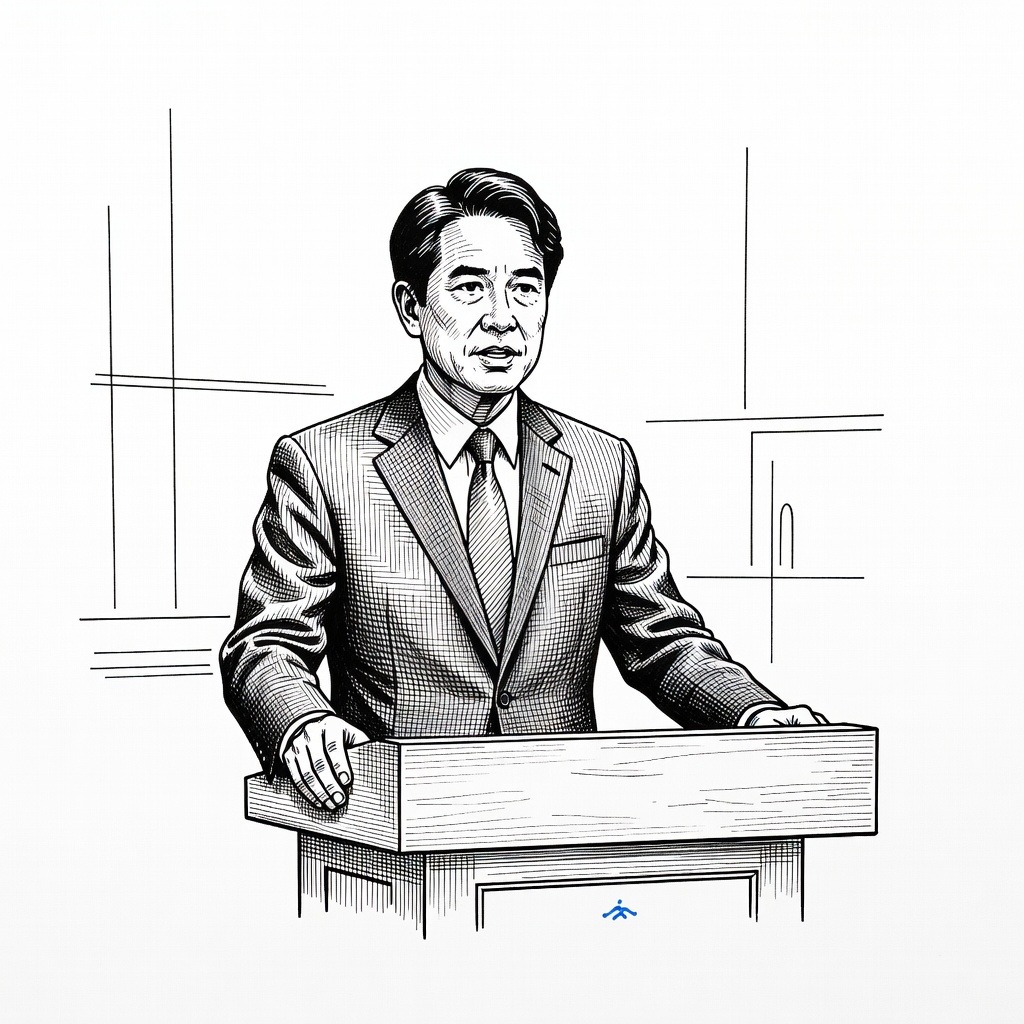
• Shielding Democratic Self-Determination Protecting vulnerable populations and their established democratic systems against aggressive overreach is a paramount priority. President Lai and Alexander Yui’s explicit commitment to the status quo represents a measured, de-escalatory approach that strictly adheres to international norms. By explicitly disavowing a formal declaration of independence, Taiwan demonstrates diplomatic restraint while rightfully demanding the preservation of its civil liberties and self-governance against external authoritarian pressure.
• Peril of Commodifying Security International stability relies on consistent alliances and the defense of human rights, making transactional diplomacy highly alarming. Treating a second pending arms transfer merely as a "negotiating tool" reduces a democratic population's physical safety to a bargaining chip. Refusing to guarantee continued security cooperation risks signaling to Beijing that international norms protecting self-governance are negotiable, thereby incentivizing the very aggression diplomatic summits are supposed to prevent.
• Inviting Future Humanitarian Crises The overarching fear is that ambiguous diplomatic posturing will inadvertently invite a catastrophic regional conflict. While military force must remain a last resort, the previously approved $11 billion defense package is viewed as a necessary baseline deterrent to prevent the sheer humanitarian disaster of a blockade or invasion. Suggesting that Taiwan must equally work to "reduce tensions" when it is the target of Beijing's coercion ignores the power asymmetry and increases the long-term risk of a devastating war.
How it may affect me
As a U.S. reader:
• In the short term, the deliberate ambiguity regarding whether the United States will defend Taiwan lowers the immediate likelihood of American armed forces being drawn into a direct Pacific conflict.
• Significant national resources are being actively tied to the region, as demonstrated by the approval of an 11 billion dollar defense package to equip Taiwan.
• Over the long term, using pending arms transfers as a negotiating tool could either successfully shield the United States from a catastrophic war between nuclear-armed superpowers or inadvertently trigger a devastating regional crisis.
• The shift toward conditional diplomacy indicates the public may experience a changing global landscape where international alliances and democratic defense are treated as transactional leverage rather than guaranteed commitments.