
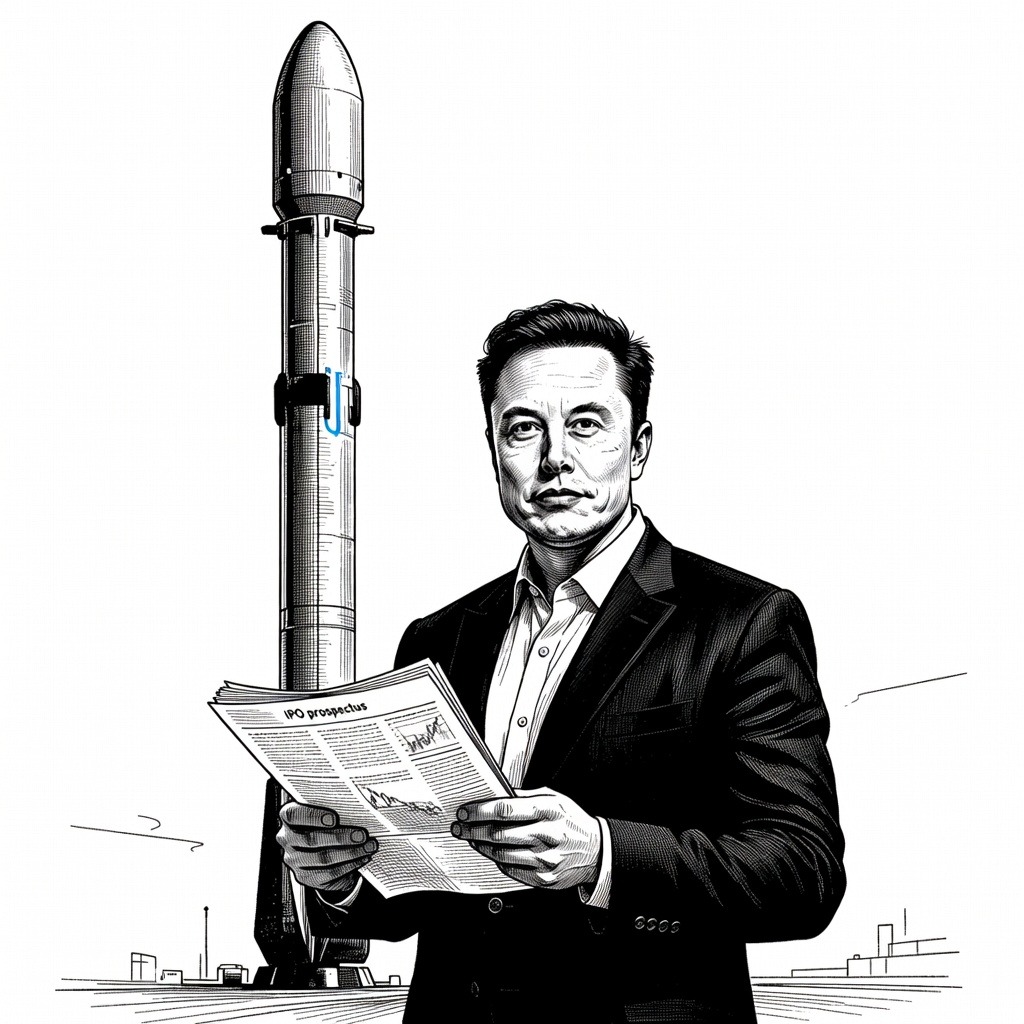
• Consolidating Monopolistic Tech Power The Consumer Advocate views the integration of SpaceX, xAI, X, and Starlink into a single $1.75 to $2 trillion entity as a dangerous acceleration of corporate concentration. Prioritizing market diversity and protection against institutional extraction, this perspective warns that such mega-mergers stifle genuine economic competition. Centralizing control over global satellite infrastructure, social media, and artificial intelligence creates an unaccountable conglomerate capable of dictating terms to consumers and governments alike.
• Extracting Global Retail Wealth Expanding the massive $70 billion to $75 billion share sale to retail investors in the U.K., Japan, and Canada is interpreted as a mechanism for wealth extraction rather than financial democratization. This framework assumes that institutional insiders are offloading the immense risk of an unproven AI and aerospace valuation onto less-protected average consumers. By aggressively courting international retail brokers, the enterprise protects its institutional backers while exposing working-class investors to immediate post-IPO volatility.
• Engineered Market Bubble Contagion Warnings of an isolated market bubble resulting from a limited public release of shares highlight the systemic threat of speculative corporate hype. Prioritizing broader economic stability, this lens fears that the frantic capital reallocation required to fund this mega-IPO will drain vital liquidity from diverse, productive sectors of the economy. Alongside the rush of other AI offerings like Cerebras Systems and OpenAI, this dynamic threatens to engineer a fragile speculative bubble that will ultimately devastate middle-class retirement portfolios when the hype cycle breaks.
How it may affect me
As a U.S. reader:
• In the short term, individuals with stock or retirement portfolios could experience market volatility or drops in their existing investments as the broader market sells off other holdings to raise capital for this massive public offering.
• Over the long term, middle-class retirement funds could face substantial financial risk if the high valuations of this conglomerate and other incoming artificial intelligence firms result in a speculative market bubble that eventually bursts.
• Consumers may have to navigate a consolidated technology landscape where a single entity controls major global satellite infrastructure, social media, and artificial intelligence platforms, potentially giving the company outsized power to dictate service terms to the public.
• Bringing these resource-intensive tech companies to the public market could also provide long-term benefits to everyday investors by enforcing standard financial transparency, bringing fiscal discipline to the artificial intelligence sector, and driving broader economic productivity.