
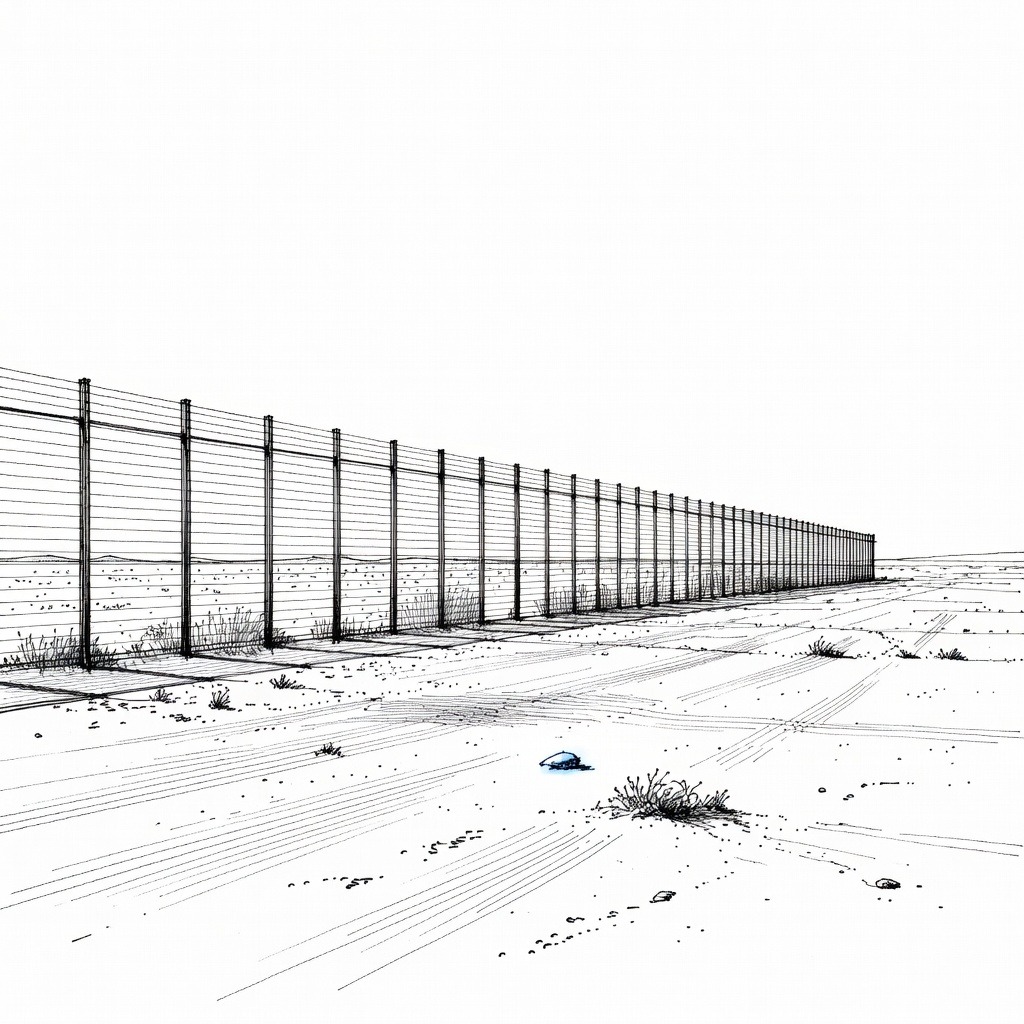
• Erosion of Asylum Protections Prioritizing human rights requires maintaining accessible, lawful pathways for vulnerable populations seeking refuge. The administration's celebration of "zero direct releases" from Border Patrol custody masks a severe contraction of civil liberties, effectively closing off the established asylum system. By aggressively blocking entry and immediately returning crossers, this enforcement-first framework sacrifices international humanitarian obligations to achieve the mere appearance of a fortified border.
• Exposing Bureaucratic Shell Games Government accountability demands transparency in how federal statistics are leveraged to claim policy victories. While officials tout an end to direct releases, this metric simply shifts the procedural reality to Immigration and Customs Enforcement (ICE), where migrants are still released on bond, parole, or other legal grounds. Claiming a definitive policy triumph relies on exploiting a technical distinction between agency jurisdictions, misrepresenting the complex reality of migrant processing to the public.
• Destabilizing Institutional Leadership Churn Structural integrity and consistent oversight are essential to reforming deeply flawed immigration systems. The rapid succession of leadership changes—spanning Chief Banks' departure, ICE Director Lyons' impending exit, and the recent replacement of the Homeland Security Secretary—signals deep organizational volatility at the highest levels. This constant administrative reshuffling undermines long-term institutional stability, risking further bureaucratic dysfunction in agencies that desperately require steady, accountable governance.
How it may affect me
As a U.S. reader:
• You may notice a reduction in illicit drugs like fentanyl and methamphetamine reaching domestic communities, as border authorities report a 60 percent increase in narcotics seizures by shifting their focus from processing migrants to intercepting contraband.
• Despite reports of zero migrants being released directly from Border Patrol custody, you may still see newly arrived migrants entering the U.S. interior, as individuals can still be transferred to ICE and legally released on bond or parole.
• If you interact with immigrant support networks or legal services, you will likely encounter restricted access to the established asylum system, as the current administration prioritizes deterrence and the immediate return of border crossers to their home countries.
• In the long term, the rapid turnover of leadership across Homeland Security, ICE, and the Border Patrol will affect how federal immigration policies are managed, which could lead to either permanently consolidated enforcement operations or institutional dysfunction that impacts border administration.