
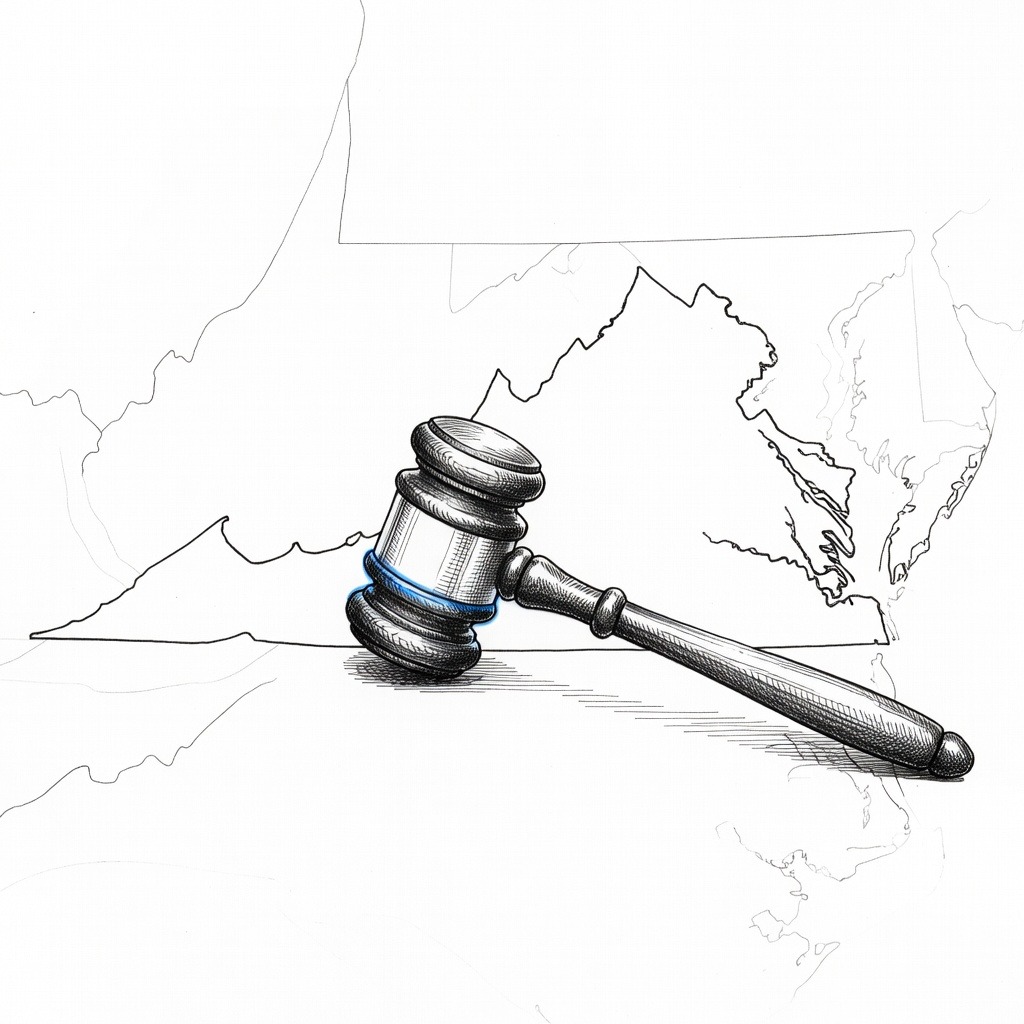
• Subversion of Voter Intent Direct democracy and civic participation are paramount values that must supersede bureaucratic hurdles. The state Supreme Court's invalidation of a redistricting map explicitly approved by voters in an April referendum represents a direct failure to honor the electorate's mandate. By discarding a democratically endorsed measure, the judiciary effectively nullified the voice of the people in shaping their own representation.
• Weaponization of Procedural Technicalities Institutional mechanisms should facilitate fair representation rather than obstruct it. The 4-3 state court ruling weaponized procedural requirements regarding ballot placement to dismantle a map drafted to secure up to four additional House seats for Democrats. The U.S. Supreme Court’s unsigned, one-sentence refusal to intervene demonstrates a judicial complacency that allows administrative technicalities to override substantive electoral reform.
• Erosion of Democratic Mandates The primary risk identified here is the unchecked usurpation of legislative and voter authority by state-level judiciaries. If emergency applications appealing to federal election law and voter intent are dismissed without noted dissent, a dangerous precedent is set. This empowers institutional actors to continuously use state constitutional loopholes to block progressive redistricting efforts and preserve an unrepresentative status quo.
How it may affect me
As a U.S. reader:
• In the short term, the outcome of the upcoming congressional midterm elections may be impacted, as the permanent invalidation of the map prevents Democrats from potentially securing up to four additional U.S. House seats.
• Virginia residents will not vote under the congressional boundaries they approved in an April referendum, as those specific districts will not be utilized in the midterms.
• In the long term, the U.S. Supreme Court's refusal to intervene reinforces a precedent of deferring to state supreme courts on internal state constitutional disputes, leaving final authority over certain federal election maps to state-level judiciaries.
• State lawmakers may be forced to strictly adhere to constitutional procedural rules when placing electoral measures on ballots, as this event demonstrates that procedural violations can lead state courts to nullify redistricting legislation regardless of voter endorsement.