
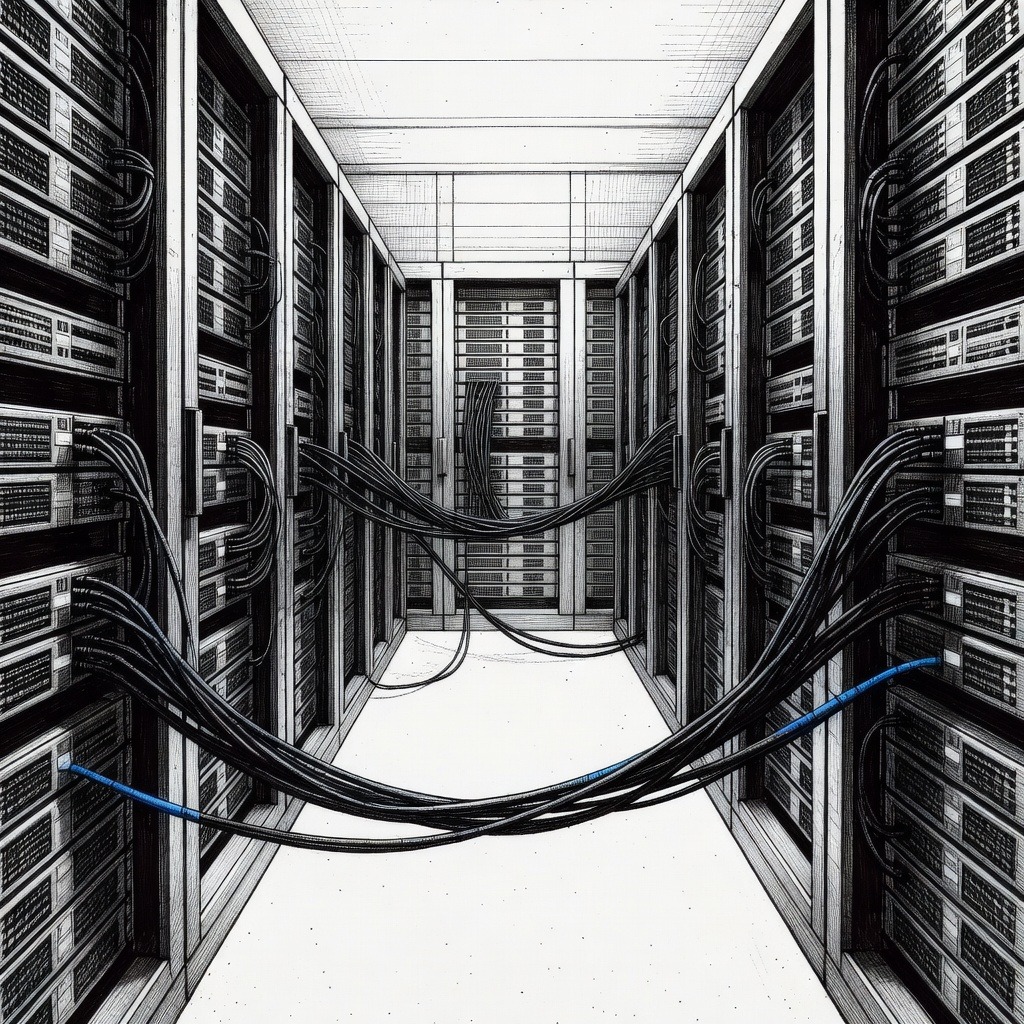
• Harvesting Wealth, Discarding Labor The pursuit of capital efficiency frequently rewards the displacement of human workers in favor of technological speculation. Despite Cisco securing $5.3 billion in AI infrastructure orders and driving its stock to historic highs, the company is simultaneously eliminating 5 percent of its workforce. This dynamic illustrates a structural economic flaw where corporate windfalls do not generate broad prosperity, but instead incentivize executives to liquidate stable jobs to fund emerging tech segments.
• Engine of Hyperscaler Monopolies The massive influx of capital into AI networking heavily favors the consolidation of power among an elite tier of tech giants. Cisco's leap from $600 million to $1.9 billion in quarterly "hyperscaler" orders demonstrates that the beneficiaries of this tech boom are already-dominant corporations building massive data centers. This structural shift accelerates wealth concentration, granting a few monopolistic entities unparalleled control over the hardware and data infrastructure that dictates the modern economy.
• Gamble on Unchecked Speculation Aggressively reorienting the economy around aggressive tech forecasts risks severe systemic volatility and human collateral damage. The push by 93 percent of enterprise leaders to modernize based on expectations that AI will triple network traffic in three years represents a massive, speculative misallocation of societal resources. Redirecting core corporate functions exclusively toward AI hardware threatens to inflate a dangerous tech bubble, leaving ordinary employees vulnerable if these applications fail to deliver sustainable social or economic utility.
How it may affect me
As a U.S. reader:
• Short-term employment in the technology sector may face instability as corporations eliminate legacy roles to finance new artificial intelligence divisions, a trend reflected by Cisco reducing its workforce by 5 percent despite record revenues.
• Long-term digital infrastructure and internet services are likely to undergo significant structural upgrades to prevent systemic bottlenecks, as companies prepare for AI applications to triple global network traffic over the next three years.
• Individuals with retirement accounts or personal investments tied to the technology market could experience financial gains from surging hardware stocks, but they also face exposure to sudden market volatility if the aggressive AI expansion results in a speculative bubble.
• Everyday digital services and data management could become further centralized under the control of a few dominant tech giants, as the massive capital required to build hyperscaler data centers heavily favors established monopolies.