
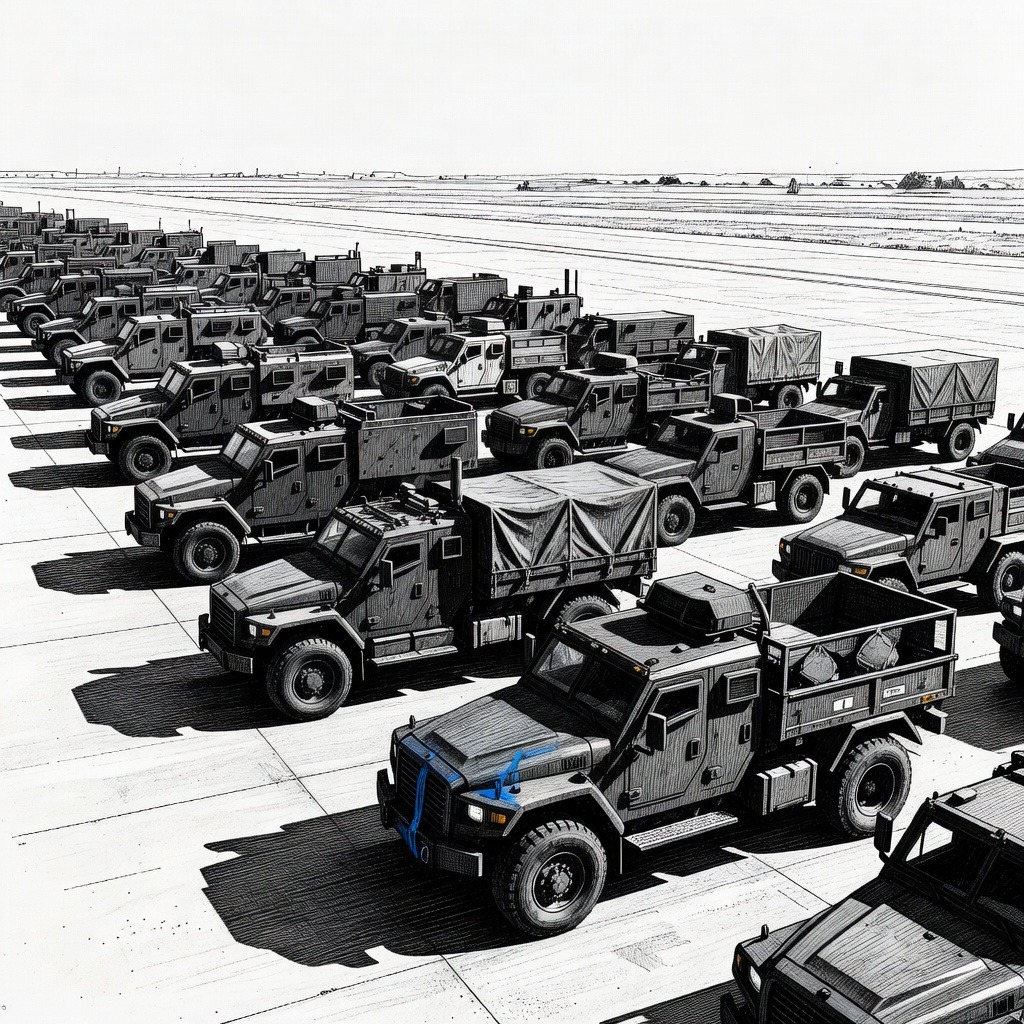
• Erosion of Diplomatic Reliability Institutional predictability is the bedrock of international alliances and collective security. The abrupt cancellation of the nine-month rotation, executed after Texas-based troops and military equipment had already arrived in Europe, signals a breakdown in orderly government procedure. By operating in a manner that leaves defense officials surprised, the administration undermines the reliable institutional frameworks necessary to maintain global diplomatic trust.
• Gamble with Regional Deterrence Multilateral unity is essential to preventing conflict and avoiding the humanitarian costs of war. Reducing American combat power in Poland and withdrawing 5,000 troops from Germany removes a key deterrence asset from NATO's eastern flank. This reduction risks projecting a fractured and retreating alliance to Russia, potentially emboldening aggression and working directly against the goal of long-term diplomatic de-escalation.
• Fracturing the Security Consensus Stable international relations require consistent and transparent security commitments to protect vulnerable partners. While allied officials note that nations like Canada and Germany are increasing their presence, forcing border nations to suddenly alter their security calculations creates unnecessary friction. The resulting strategic vacuum threatens to replace a unified NATO strategy with fragmented, reactionary defense planning across European capitals.
How it may affect me
As a U.S. reader:
• In the short term, military personnel and their families, specifically those connected to the 4,000 Texas-based troops, will experience abrupt changes to their personal planning and schedules due to the canceled nine-month deployment.
• Advance service members and equipment that have already arrived in Europe will face immediate logistical shifts as their operations are halted and they are likely recalled to the United States.
• Over the long term, the public may see a change in international defense burdens as allied countries like Canada and Germany increase their troop presence, which could reduce the need for indefinite American deployments in the region.
• The reduction of combat power on NATO's eastern flank could alter future U.S. security calculations, either by freeing up American military resources for other global priorities or by risking regional instability that could eventually draw on U.S. diplomatic and defense assets.