
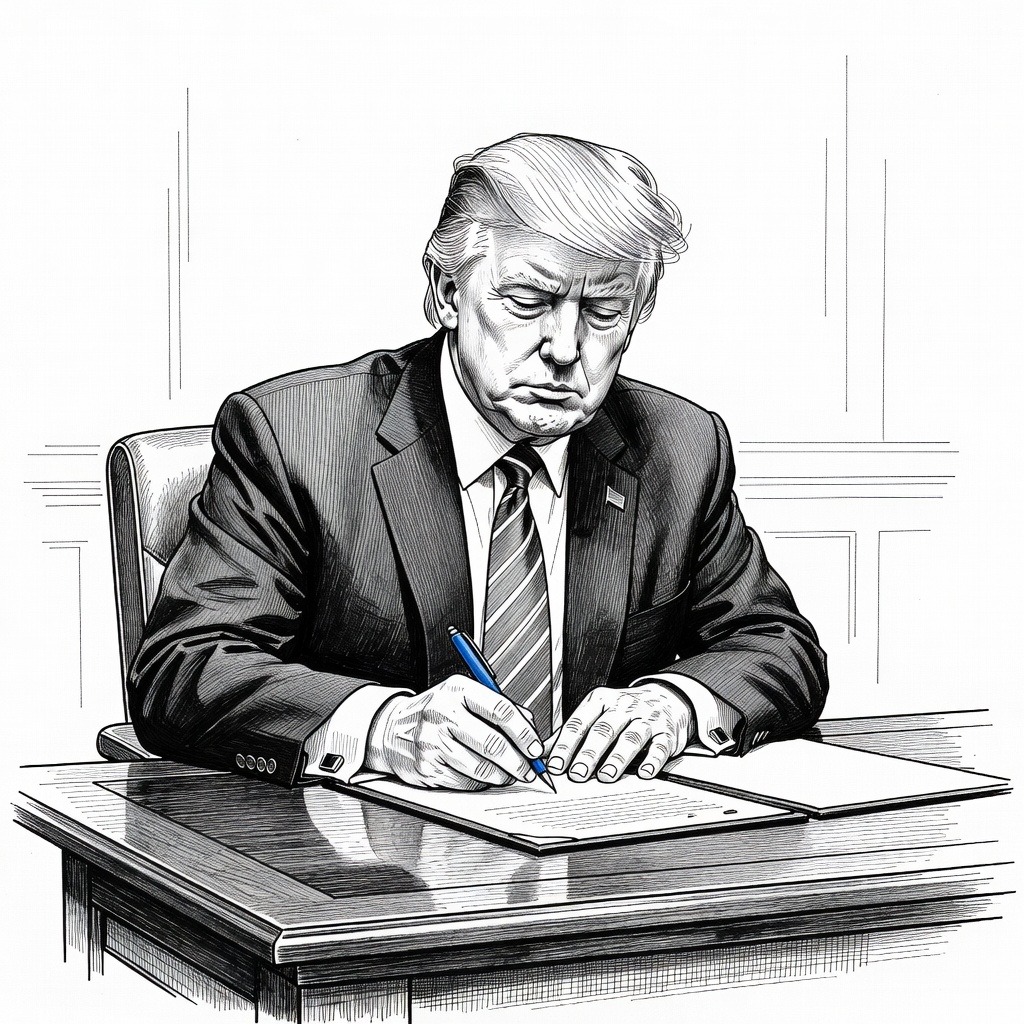
• Shield Against Political Retribution The cornerstone of a fair justice system dictates that legal representation must remain insulated from government intimidation. The administration's executive actions against four law firms specifically for employing or representing political opponents are interpreted as a severe abuse of executive power. Restricting security clearances and barring attorneys from federal properties are viewed not as administrative management, but as an authoritarian tactic designed to bankrupt dissenting entities and suppress fundamental civil liberties.
• Condemning State-Sponsored Coercion Government authority must never be weaponized to extract ideological compliance or financial concessions from private enterprises. The reality that nine other law firms were pressured into providing $1 billion in pro bono services for White House-supported causes to avoid sanctions is seen as institutional extortion. This dynamic directly validates the district judges' comparison to McCarthyism, demonstrating how unchecked executive mandates can systematically coerce private institutions into serving the political interests of the ruling party under threat of ruin.
• Defending Institutional Guardrails Democratic stability relies heavily on an independent judiciary capable of checking executive overreach and demanding accountability. The Justice Department’s insistence on appealing the permanent restraining orders, coupled with its erratic 24-hour reversal on dropping the case, signals a dangerous disregard for judicial boundaries. If the appellate court legitimizes these sanctions, it risks establishing a permanent precedent where the executive branch can bypass constitutional limits to unilaterally dismantle private legal opposition under the guise of managing risk.
How it may affect me
As a U.S. reader:
• The case will set a long-term precedent regarding the separation of powers, specifically dictating whether the judicial branch can intervene when the president restricts private access to federal properties and security clearances to manage perceived security risks.
• Validating these executive orders could impact the long-term availability of legal counsel for individuals viewed as political opponents, as private law firms may decline such cases to avoid loss of federal access and potential bankruptcy.
• In the short term, the administration's threat of sanctions has already tangibly redirected private sector resources, generating nearly one billion dollars in pro bono legal services dedicated specifically to White House-supported causes.