
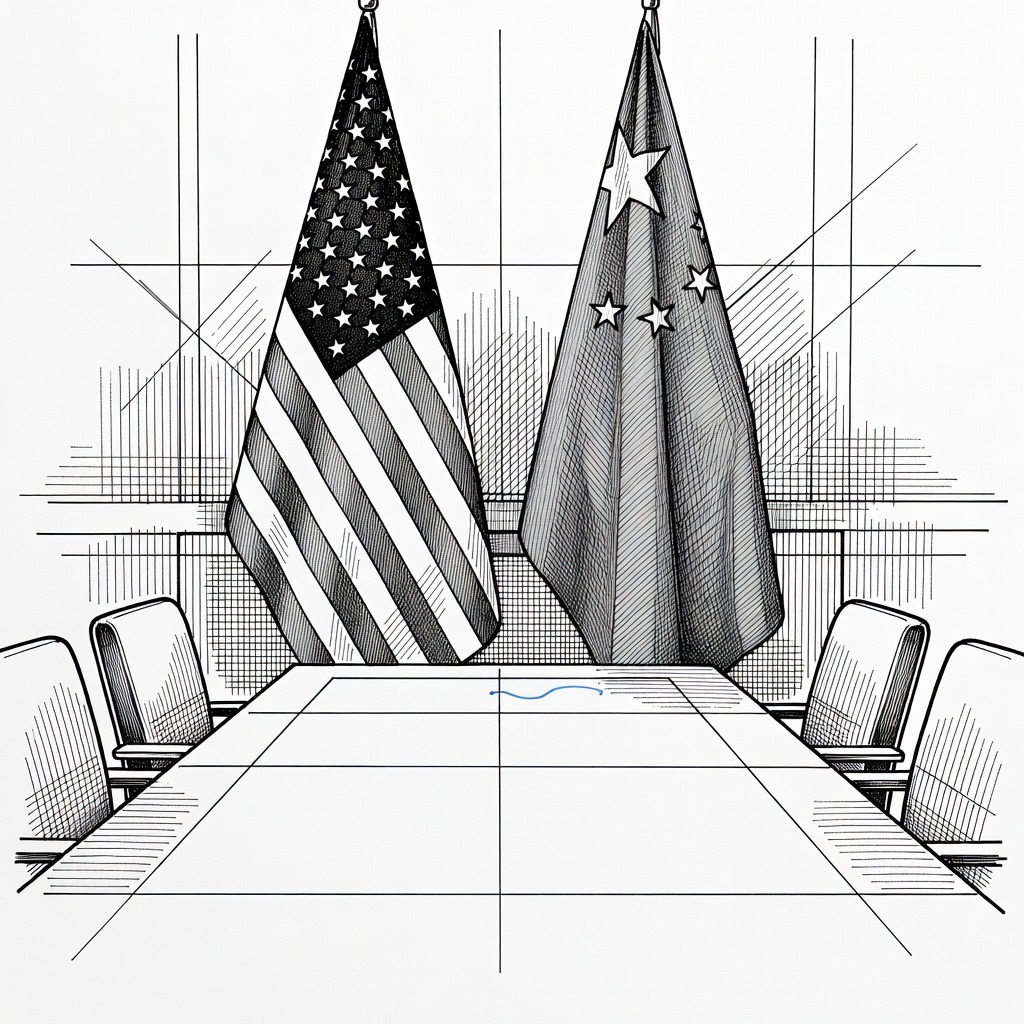
• Surrendering the Clean Economy Viewing the administration's rejection of wind power and pivot to natural gas as a massive geopolitical concession, this camp prioritizes technological competitiveness. By intentionally delaying 160 domestic wind projects under the guise of defense reviews, the U.S. artificially kneecaps its own renewable sector. This ideological resistance to green energy leaves a vast vacuum for China, which has strategically lowered turbine prices to corner the global market. Ultimately, abandoning wind infrastructure sacrifices domestic innovation while failing to provide a competitive alternative to Beijing's rapidly expanding exports.
• Forfeiting the Global Transition The rapid adoption of Chinese wind technology by allies like South Korea and the Philippines represents a practical necessity rather than systemic subversion. With an ongoing war in Iran threatening traditional fossil fuel supplies, vulnerable nations are logically accelerating their clean energy transitions to ensure domestic stability. By clinging strictly to natural gas, the U.S. ignores the pressing economic and geopolitical realities driving global energy shifts. This failure to lead in affordable green technology inadvertently pushes critical international allies directly into Beijing’s economic orbit.
• Losing the Technological Future The central fear is that framing clean energy inherently as a national security threat guarantees long-term American economic obsolescence. While the U.S. issues adversarial public warnings and blocks its own domestic projects, China cements its status as the indispensable supplier of the modern global grid. Treating green initiatives as a vulnerability rather than an opportunity surrenders future industrial dominance in the name of political posturing. This zero-sum approach ultimately weakens American soft power and hands geopolitical leverage to President Xi without a fight.
How it may affect me
As a U.S. reader:
• You may see a shift in domestic energy infrastructure and related employment opportunities, as federal support and taxpayer funds are redirected away from wind farms and toward natural gas production.
• The active delay of 160 domestic wind projects by the Defense Department will likely stall short-term growth, development, and innovation within the American renewable energy sector.
• Over the long term, the national power grid is expected to remain strictly insulated from potential intelligence vulnerabilities and foreign supply chain dependencies associated with imported green technology.
• The U.S. economy could face a long-term loss of global competitiveness in the clean energy market, as the country steps back from green manufacturing while international allies adopt cheaper Chinese alternatives to avoid fossil fuel disruptions.