
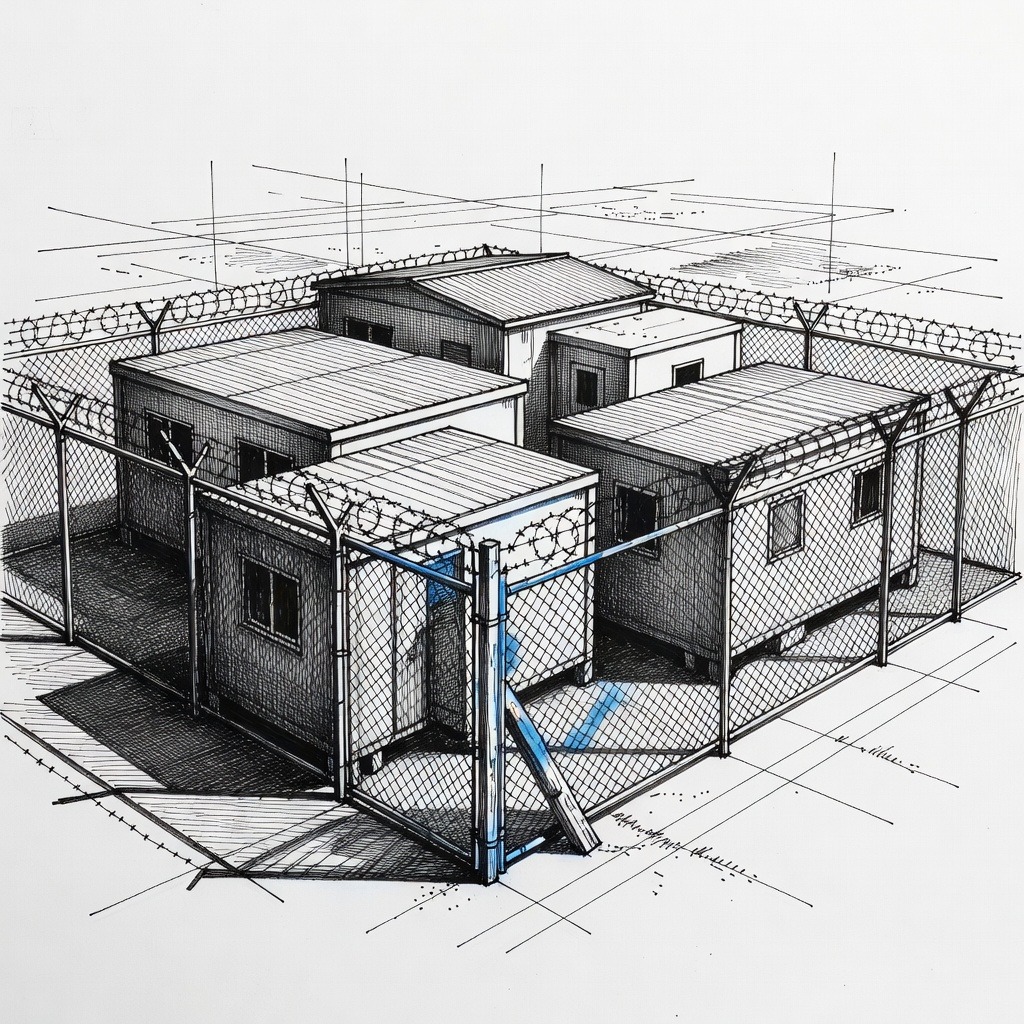
• Enforcing Baseline Constitutional Protections Prioritizing civil liberties, reformers view the federal judge's refusal to pause the mandate for legal counsel as a critical victory for human rights. The scrutiny surrounding the facility's living conditions on a makeshift airstrip exposes a systemic disregard for basic human dignity. For this camp, protecting the vulnerable requires aggressive judicial oversight to prevent federal agencies from operating outside established constitutional norms.
• Dismantling Exploitative State Infrastructure The unified opposition from immigrant advocates, environmental groups, and a Native American tribe signals a broader societal rejection of harmful state overreach. Reformers see the potential closure of "Alligator Alcatraz" as a necessary dismantling of an inherently abusive system. However, DHS's planned shift toward acquiring shuttered local jails is viewed with deep skepticism, as it threatens to merely relocate structural injustices into established carceral environments rather than reforming the core policy.
• Exposing Institutional Fiscal Recklessness The revelation of billions in unpaid inter-departmental debts following a 76-day government shutdown highlights the disastrous opportunity costs of maintaining aggressive detention operations. Reformers interpret DHS's refusal to permanently close the airstrip facility as evidence of an agency crippled by dangerous institutional inertia. Retaining a legally embattled, resource-draining site reflects a fundamental failure of government accountability that prioritizes an enforcement facade over fiscal and moral responsibility.
How it may affect me
As a U.S. reader:
• In the long term, communities across the country with shuttered local jails may see the federal government acquire these properties, as the Department of Homeland Security shifts its expansion strategy away from temporary warehouse-style detention centers.
• You may see broader impacts on federal government resources and efficiency, as the agency is currently forced to navigate billions of dollars in unpaid inter-departmental debts following a 76-day government shutdown.
• In the short term, federal authorities will maintain immediate surge capacity to manage border influxes and conduct temporary emergency evacuations during natural disasters like hurricanes and wildfires by keeping the Florida facility active.
• Federal agencies may be required to shift how they allocate operational resources to comply with civil rights rulings, following a federal judge's mandate that the government must provide detainees with access to legal counsel.