
• Targeting Predatory Crisis Profiteering Market fairness requires aggressive defense against financial exploitation during geopolitical emergencies. The DOJ and CFTC investigations into suspicious trading validate concerns that Wall Street speculators artificially inflate living costs for everyday citizens. Rather than accepting the 250-million-barrel inventory drop as a purely mechanical supply-and-demand issue, this perspective identifies deliberate corporate opportunism extracting wealth from working populations under the cover of the Iranian blockade.
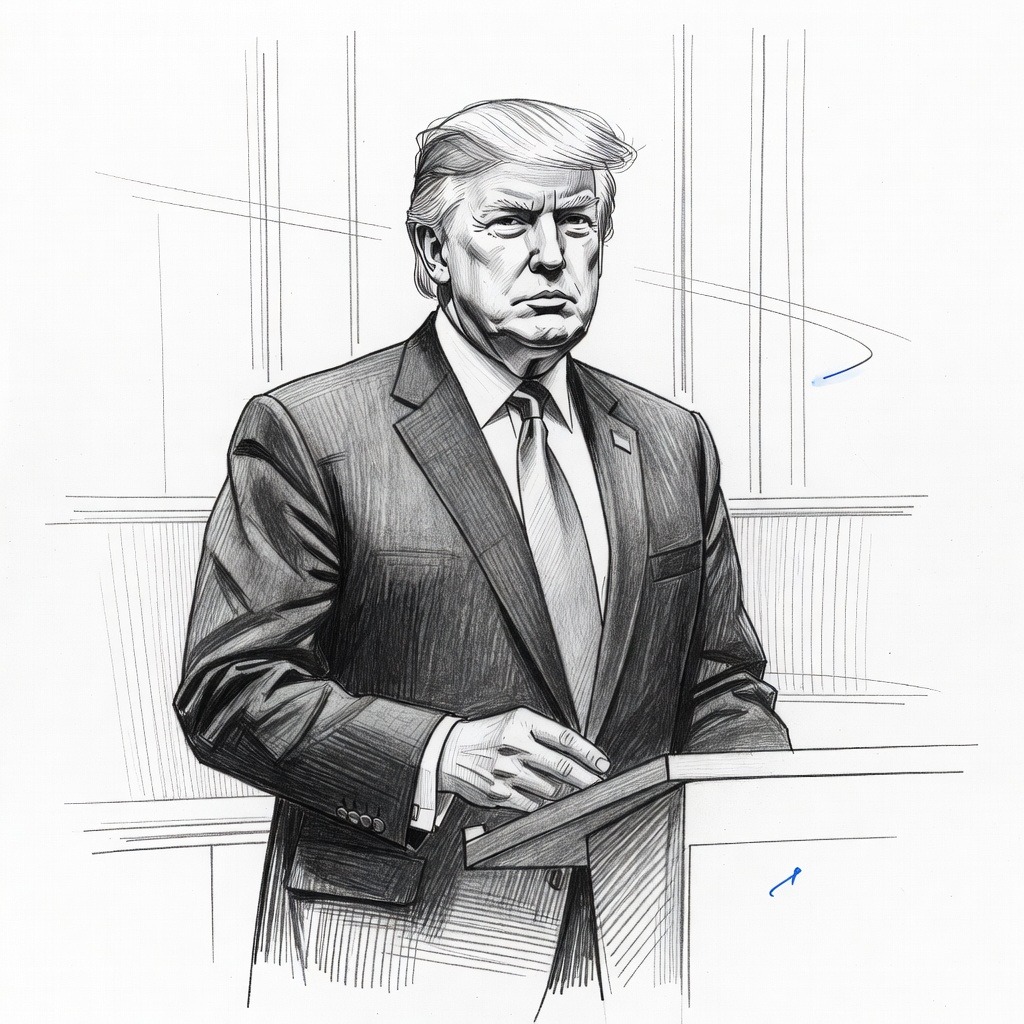
• Deploying Temporary Consumer Shields Protecting vulnerable populations from sudden energy impoverishment is the immediate economic imperative during a supply shock. Donald Trump’s suspension of the U.S. gas tax is interpreted as a necessary, albeit reactive, state intervention to prevent skyrocketing domestic fuel costs from crushing low-income households. This policy shift underscores the core belief that federal mechanisms must actively intervene to shield consumers when volatile, privatized energy markets fail to deliver equitable pricing.
• Exposing Hyper-Globalized Fragility A sustainable global economy cannot rely on brittle, monopolized resource pipelines that cascade into total failure during regional conflicts. The severe naphtha shortage forcing Japan’s Calbee Inc. to shift 14 products to black-and-white packaging by May 25 highlights a dangerous, systemic over-reliance on fossil fuels across all sectors of international manufacturing. This camp views the sweeping disruptions as glaring proof that structural reform is required to decouple everyday consumer goods from volatile petrochemical supply chains.
How it may affect me
As a U.S. reader:
• In the short term, you will see a planned temporary suspension of the U.S. gas tax, a measure intended to offset rising fuel prices for consumers and maintain domestic freight operations.
• You can expect continued price volatility at the gas pump as summer approaches, driven by severely depleted global oil inventories and potential market speculation currently under federal investigation.
• As a longer-term consequence of the supply chain disruption, you may encounter alterations to everyday consumer products, such as goods adopting black-and-white packaging due to global shortages of petroleum-derived colored inks.
• You will witness an immediate increase in domestic energy activity, as U.S. producers ramp up shipments to record levels to buffer the global market and replace missing international exports.