
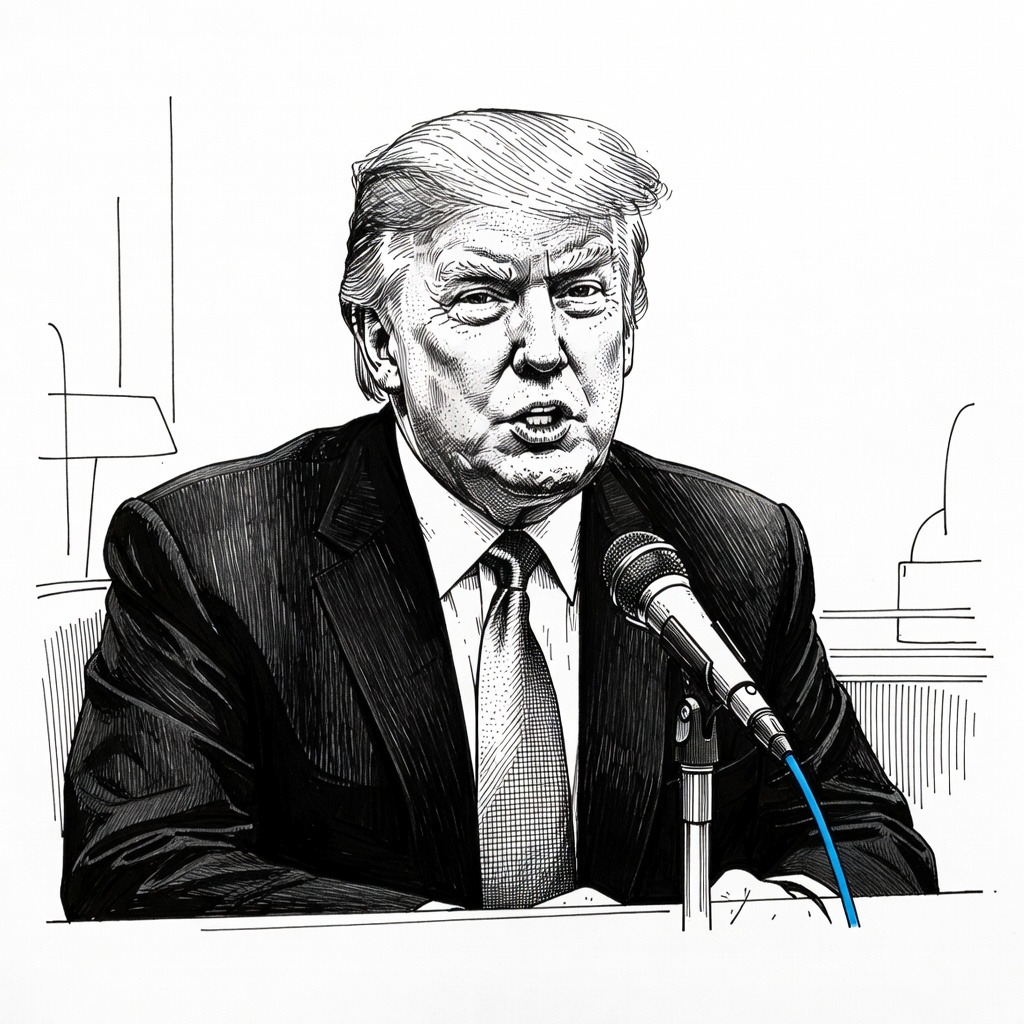
• Curbing Unilateral Executive Overreach Government accountability requires robust checks against the misuse of presidential emergency declarations. The February Supreme Court ruling invalidating tariffs under the International Emergency Economic Powers Act is viewed as a critical triumph for institutional restraint. This judicial intervention establishes that the executive branch cannot bypass standard legislative channels to unilaterally enforce sweeping economic mandates on the public.
• Reversing Improper Institutional Extraction Protecting domestic labor and consumers relies on halting arbitrary and unlawful government taxation. Refunding $35.5 billion to businesses corrects a systemic extraction of wealth that actively burdened domestic supply chains and operations. Channeling this returned capital back to companies like Basic Fun and Oshkosh Corporation directly supports baseline economic equity by restoring funds explicitly earmarked for essential cash flow and employee compensation.
• Anchoring Lawful Economic Statecraft Challenging executive overreach demands a strict adherence to established legislative boundaries rather than abandoning regulation entirely. Retaining the separate 10 percent tariff under the Trade Act of 1974 demonstrates that legitimate, congressionally authorized economic measures remain fully enforceable. This dynamic mitigates the risk of future authoritarian overreach by drawing a stark, undeniable line between legally sanctioned trade policies and the exploitation of emergency loop-holes.
How it may affect me
As a U.S. reader:
• In the short term, workers at importing businesses may experience improved compensation and job stability as companies use their portions of the $35.5 billion refund for payroll and operational cash flow.
• Consumers may not see a complete reduction in the cost of imported goods, as businesses remain subject to a separate 10 percent tariff enforced under the Trade Act of 1974.
• In the long term, domestic manufacturing growth could be impacted, because refunding these duties reduces the financial pressure on businesses to relocate their supply chains and production back to the United States.
• Future trade and economic mandates will likely take longer to impact the public, as the court ruling restricts presidents from using emergency powers to bypass standard congressional approval processes.