
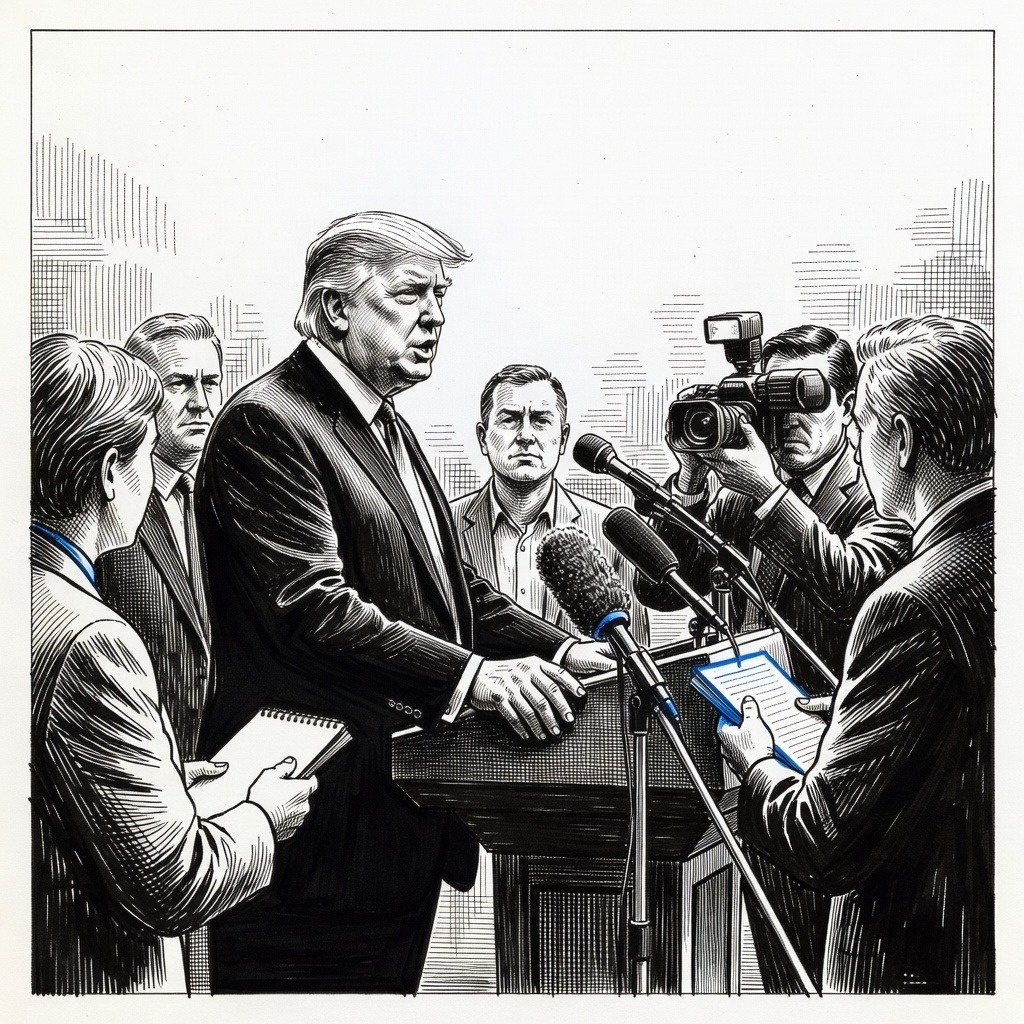
• Enforce Constitutional Guardrails Prioritizes government accountability by demanding strict adherence to the War Powers Resolution's 60-day deadline for unauthorized military action. From this perspective, Secretary Hegseth’s assertion of indefinite Article II authority is viewed as a direct threat to the constitutional balance of power. Failing to recognize the expiration of this legislative clock is interpreted as an unchecked and dangerous expansion of the executive branch.
• Check Unilateral Escalation Prioritizes diplomatic stability and challenging the institutional status quo of endless military deployments. Aligned with Senator Merkley’s warnings, this camp interprets the rejection of the resolution as a green light for unchecked executive warfare against Iran. They argue that ignoring strict legislative deadlines inherently increases the risk of drawing the nation into a broader, unapproved conflict without public consent.
• Force Institutional Oversight Prioritizes civil transparency and the prevention of permanent military entanglements. Senator Murkowski’s commitment to introducing a formal Authorization for Use of Military Force (AUMF) represents a necessary mechanism to compel the administration to clarify its legal responsibilities. Without forcing this oversight, this side fears the establishment of a precedent where presidents can bypass Congress indefinitely without demonstrating tangible progress toward a peace agreement.
How it may affect me
As a U.S. reader:
• In the short term, citizens may see an escalation in military involvement, as the administration retains unrestricted operational authority against Iran just as the current temporary ceasefire is predicted to collapse.
• Long term, allowing the 60-day War Powers deadline to expire under executive authority establishes a precedent that could permit future presidents to engage U.S. forces in prolonged overseas conflicts without explicit congressional or public consent.
• The public can expect upcoming legislative debates regarding a formal Authorization for Use of Military Force, which will attempt to define the legal boundaries of the conflict and require the administration to show progress toward a peace agreement.
• By preserving the commander-in-chief's military flexibility, the decision impacts the broader national security landscape by maintaining U.S. negotiating leverage and strategic deterrence during ongoing international diplomatic missions.