
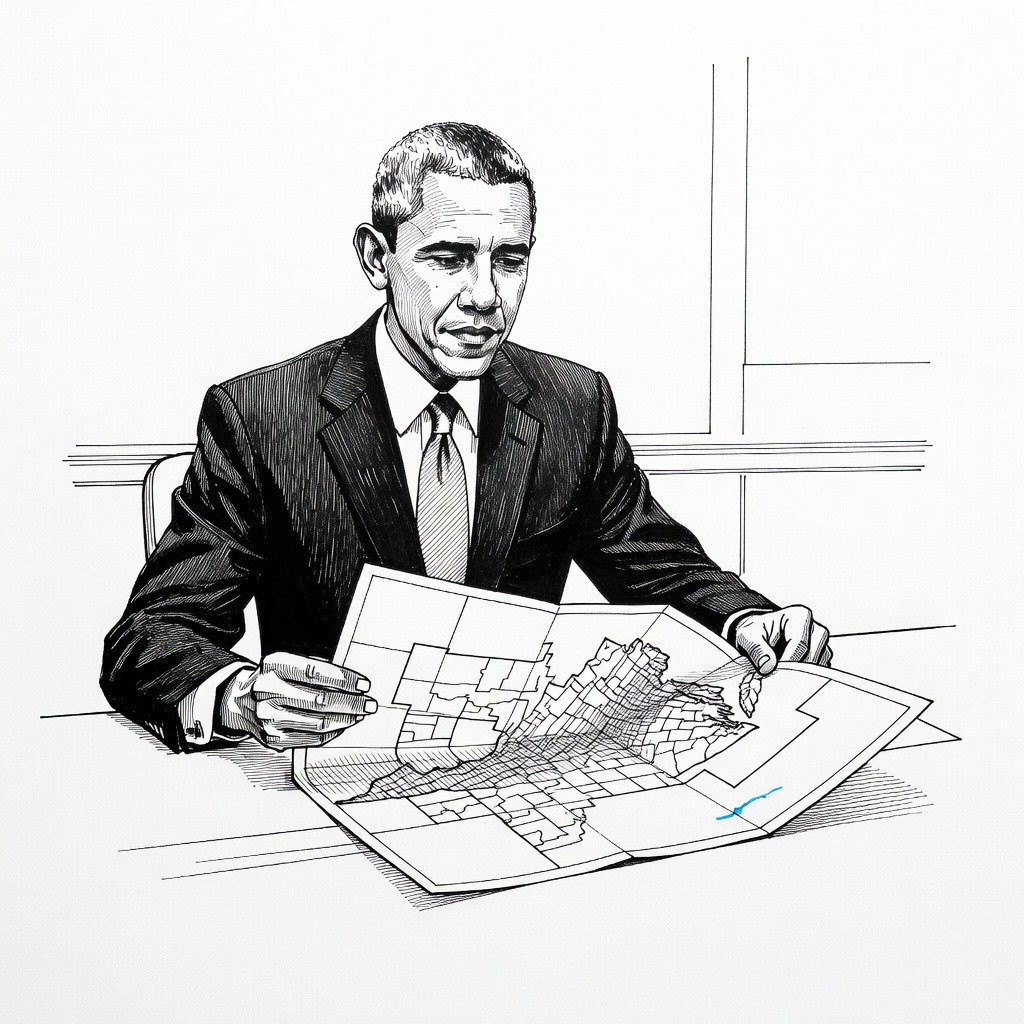
• Shielding the Direct Voter Mandate The foundation of democratic reform relies on recognizing and executing the direct will of the electorate. By striking down the April ballot measure that was already voter-approved, the state judiciary is perceived as overriding a clear public directive in favor of institutional gatekeeping. For this camp, the emergency appeal to the U.S. Supreme Court is a necessary defense of civic empowerment against an unaccountable judicial veto.
• Dismantling Outdated Electoral Architecture Progressive governance prioritizes modernizing institutions to accurately reflect current demographic realities and ensure equitable representation. Forcing upcoming races to be conducted within the boundaries of outdated districts represents a systemic failure to protect voters from entrenched structural advantages. Senate President Louise Lucas’s assertion that the new map "equalized the state's electoral landscape" highlights the reformist drive to dismantle stagnant power structures and modernize the political battlefield.
• Checking State Judicial Overreach Institutional accountability dictates that courts must not usurp the specialized powers granted to democratic legislative bodies. Attorney General Jay Jones’s argument specifically targets the state justices for seizing the legislature’s constitutional mandate to supervise federal elections over a semantic dispute about "election day." The long-term risk feared here is a conservative state judicial system that continually weaponizes historical textualism to block progressive electoral reforms and legislative authority.
How it may affect me
As a U.S. reader:
• In the short term, the national balance of power in Congress could be affected, as the rejected redistricting map was anticipated to potentially flip up to four congressional seats in the upcoming midterm elections.
• Virginia voters may be forced to cast their ballots within outdated district boundaries for the impending federal elections if the U.S. Supreme Court does not quickly intervene to restore the voter-approved map.
• In the long term, this case could establish a national legal precedent regarding whether the U.S. Supreme Court can override a state supreme court's ruling on its own state constitutional procedures and local election laws.
• The resolution of this dispute may also impact how future voter-approved electoral initiatives are handled nationwide, specifically determining if state judiciaries can invalidate direct public mandates based on historical and procedural interpretations of constitutional text.