
• Squander Diplomatic Off-Ramps Prioritizing diplomatic continuity over maximalist demands, this perspective views the outright rejection of Tehran's written proposal as a dangerous failure of statecraft. By discarding the agreement because it omitted a clause regarding buried nuclear material, the administration eliminates a vital opening for iterative negotiation. This framework argues that treaties are ongoing processes, not all-or-nothing ultimatums, and abandoning the table merely empowers the Iranian hard-liners the White House is trying to suppress.
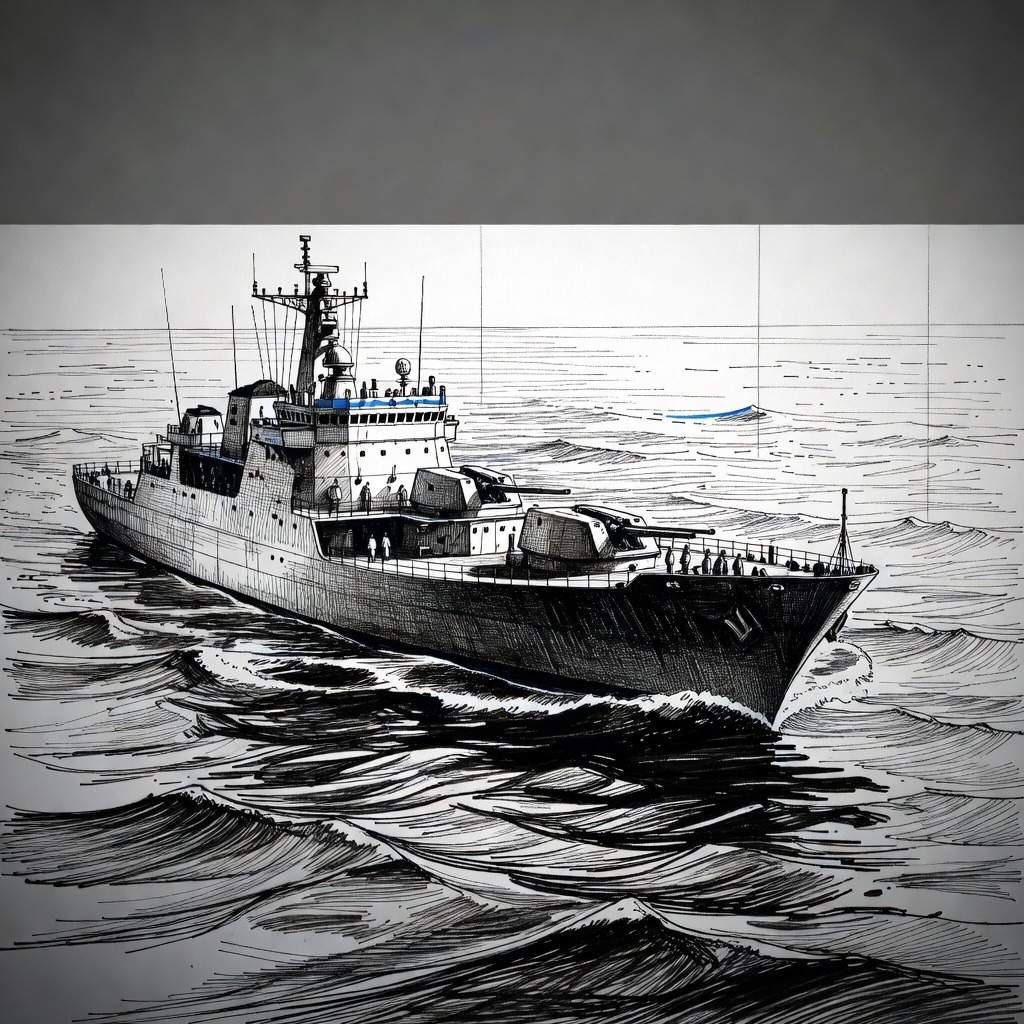
• Escalation Disguised As Enforcement Valuing de-escalation and international stability, this camp interprets the U.S. naval blockade in the Gulf of Oman as a provocation rather than a defensive necessity. Striking two Iranian-flagged oil tankers while a month-old ceasefire remains technically active actively undermines American diplomatic credibility. From this viewpoint, unilateral military posturing creates a self-fulfilling prophecy where aggressive U.S. enforcement triggers the exact hostile responses it claims to be preventing.
• Catalyst For Regional Conflagration The overriding concern is the catastrophic humanitarian and global toll of an uncontained Middle Eastern war. With armed exchanges already occurring in the Strait of Hormuz and violence spilling into the UAE, the collapse of this truce removes the final guardrails against full-scale military engagement. This camp fears that prioritizing rigid, immediate nuclear guarantees over the stabilization of a fragile ceasefire will ultimately guarantee broader regional bloodshed.
How it may affect me
As a U.S. reader:
• In the short term, the failure of global oil shipping to return to pre-war levels in the Strait of Hormuz and ongoing military strikes on oil tankers could disrupt international energy markets and impact the broader economy.
• U.S. military personnel and their families face immediate physical risks, as American forces are actively enforcing a naval blockade and engaging in armed exchanges with Iranian forces in the region.
• In the long term, the near-collapse of the ceasefire removes diplomatic guardrails, potentially drawing the United States into a full-scale Middle Eastern war that would require extensive national resources.
• Long-term national security will be directly impacted by how these negotiations and military actions resolve, specifically regarding whether the U.S. can successfully prevent Iran from keeping enriched uranium and acquiring a nuclear weapon.