
Russia and Ukraine Accuse Each Other of Violating U.S.-Brokered Ceasefire

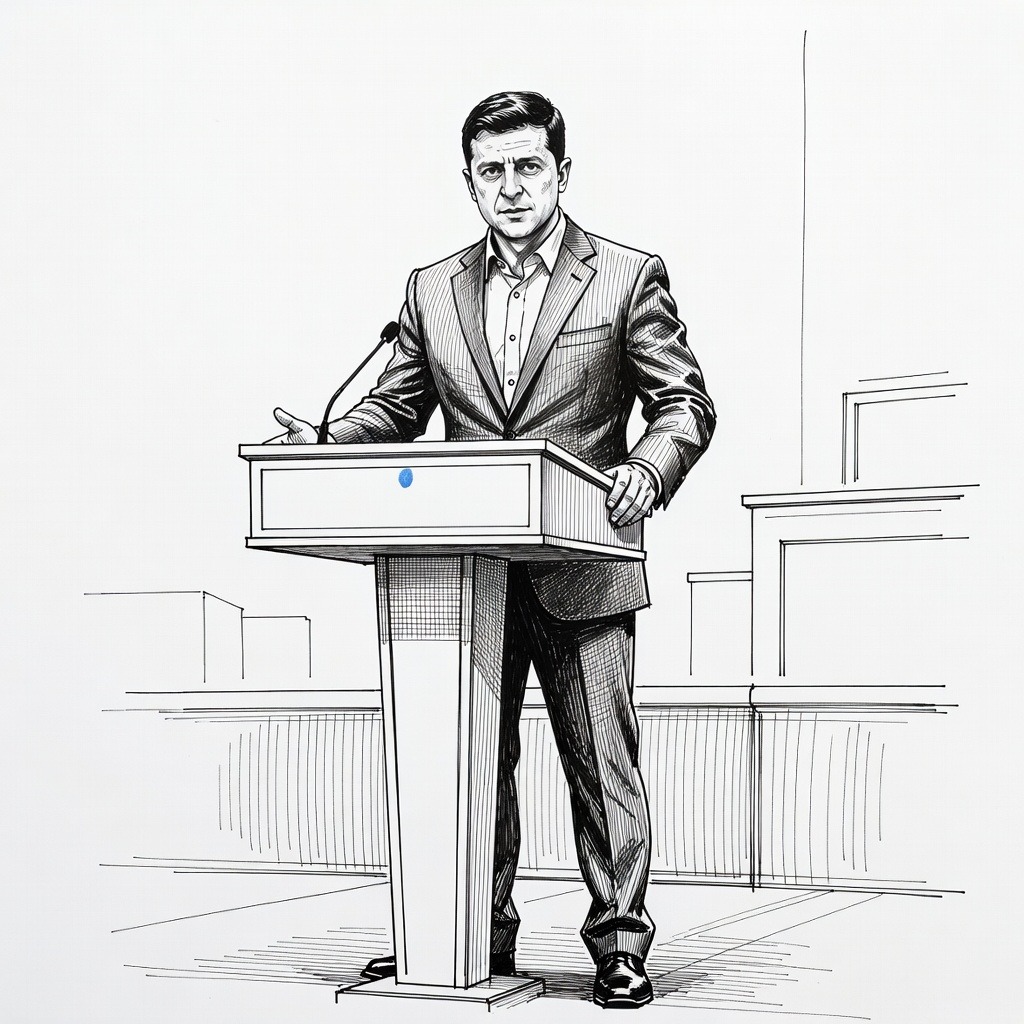
Illustration for: Russia and Ukraine Accuse Each Other of Violating U.S.-Brokered Ceasefire
AI-generated illustration. Visual interpretation does not represent real individuals or scenes.

THE BARE STORY

A three-day ceasefire between Russia and Ukraine, brokered by United States President Donald Trump to coincide with Russia's Victory Day, failed to halt hostilities as both nations accused each other of violating the agreement. The temporary truce, scheduled to run from Saturday through Monday, was also intended to include preparations for an exchange of 1,000 prisoners from each side.

Ukrainian authorities and President Volodymyr Zelenskyy stated that Russian forces did not observe the truce, alleging continued drone and artillery strikes against civilian areas and front-line positions. Regional officials in Ukraine reported multiple casualties during the pause, including fatalities and injuries in the Zaporizhzhia, Kharkiv, and Kherson regions. Conversely, the Russian Defense Ministry claimed its military strictly observed the ceasefire and accused Ukrainian forces of committing over a thousand violations by attacking civilian and military areas. A Moscow-installed official in the Russian-occupied Kherson region also reported that two people were injured by Ukrainian shelling.

Despite the temporary arrangement, a broader diplomatic stalemate persists over opposing territorial stances. Russian officials demand that Ukrainian troops withdraw from the eastern Donbas region before negotiations can progress, a condition Zelenskyy refuses to accept. Meanwhile, American and European leaders are continuing to evaluate strategies for further peace efforts, with U.S. envoys Steve Witkoff and Jared Kushner expected to engage with leadership in both Moscow and Kyiv.

Same Facts. Different Perspectives.

Two AI models. Two viewpoints. One factual foundation.

• Shielding the Vulnerable Population Prioritizes the preservation of human life and adherence to international humanitarian law above geopolitical posturing. The immediate collapse of the ceasefire, evidenced by fatal drone and artillery strikes in the Zaporizhzhia, Kharkiv, and Kherson regions, is viewed as a catastrophic failure to protect non-combatants. These civilian casualties expose the inherent danger of temporary truces that lack robust, independent enforcement mechanisms to shield civilians from ongoing hostility.

• Exposing Performative Diplomatic Pauses Values sustainable, systemic de-escalation over symbolic, calendar-driven gestures. Tying the U.S.-brokered truce to Russia's Victory Day is analyzed as a highly politicized maneuver that predictably failed to alter brutal battlefield realities. The aborted exchange of 1,000 prisoners is seen as a tragic casualty of this fragile framework, demonstrating how premature diplomacy can exploit the hopes of captives without delivering genuine, lasting relief.

• Rejecting Coercive Territorial Demands Prioritizes the protection of sovereign rights and the absolute rejection of military extortion. Russia's ongoing precondition that Ukrainian forces withdraw from the eastern Donbas region before negotiations can proceed is interpreted as an illegitimate demand that undermines international norms. There is profound concern that upcoming engagements by U.S. envoys Steve Witkoff and Jared Kushner might inadvertently pressure Kyiv into accepting unjust territorial concessions merely to secure an artificial peace.

How it may affect me

As a U.S. reader:

• The provided text focuses entirely on overseas military realities and international diplomatic maneuvers, indicating that the collapse of this ceasefire and the subsequent travel of U.S. envoys are not expected to have any significant, direct, or practical impact on the daily lives of the general public in the United States.

Read the story at

Note: All TheBareNews content is AI-generated. For additional context, reporting, and updates, you are invited to explore the news outlets linked above.