
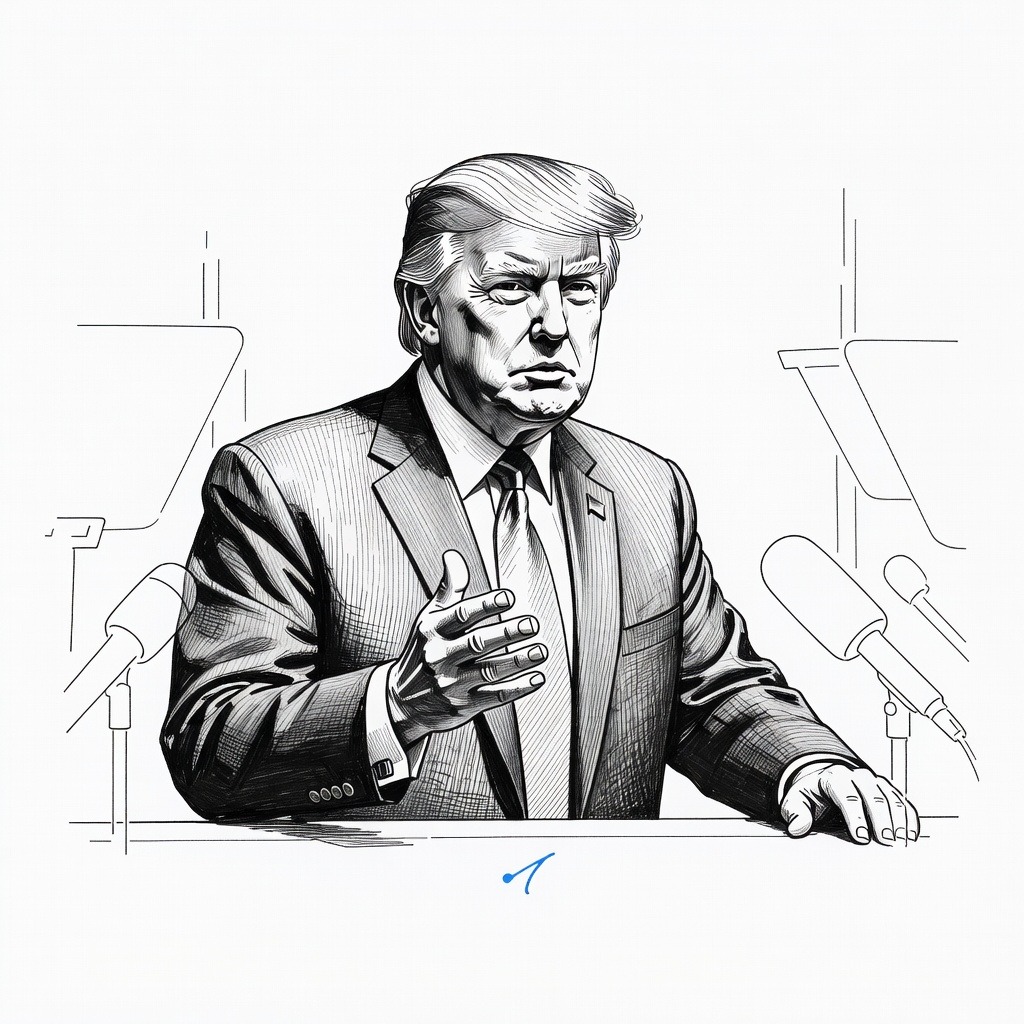
• Stabilize Fragile De-Escalation Framing ongoing military exchanges as "minor" undermines the immediate goal of halting hostilities and securing a lasting peace. Continued violence inherently jeopardizes the delicate 30-day diplomatic window proposed by international mediators. True security requires strictly honoring the ceasefire to build the mutual trust necessary for complex negotiations, rather than risking a wider regional war over tactical military posturing.
• Institutionalize Multilateral Conflict Resolution Relying on international mediators and United Nations resolutions to unblock the Strait of Hormuz demonstrates the necessity of international law over unilateral aggression. Easing the U.S. blockade in exchange for open shipping lanes de-escalates economic warfare that ultimately harms civilian populations through surging global oil prices. Multilateral diplomacy remains the most effective tool to restore global trade and prevent broad economic fallout.
• Secure Sustainable Disarmament Agreements Negotiating the peaceful extraction of Iran's 970 pounds of highly enriched uranium avoids the catastrophic humanitarian costs of a full-scale military confrontation. Maximalist military campaigns risk cornering an adversary and prompting the very nuclear proliferation the international community seeks to avoid. Securing verifiable extraction through a diplomatic agreement—a path even Prime Minister Netanyahu acknowledges as preferable—is the safest mechanism to neutralize the threat without further bloodshed.
How it may affect me
As a U.S. reader:
• In the short term, the proposed 30-day agreement to reopen the Strait of Hormuz could stabilize surging global oil prices, directly affecting what consumers pay for fuel.
• The success of international efforts to unblock shipping lanes will determine whether broad economic fallout is prevented, which could impact global trade and the cost of goods.
• Continued military exchanges between the U.S. and Iran carry the immediate risk of escalating into a wider regional war, potentially increasing U.S. military engagement.
• In the long term, diplomatic efforts to physically extract Iran's highly enriched uranium will impact national security by either neutralizing a nuclear threat or triggering a return to full-scale military operations.