
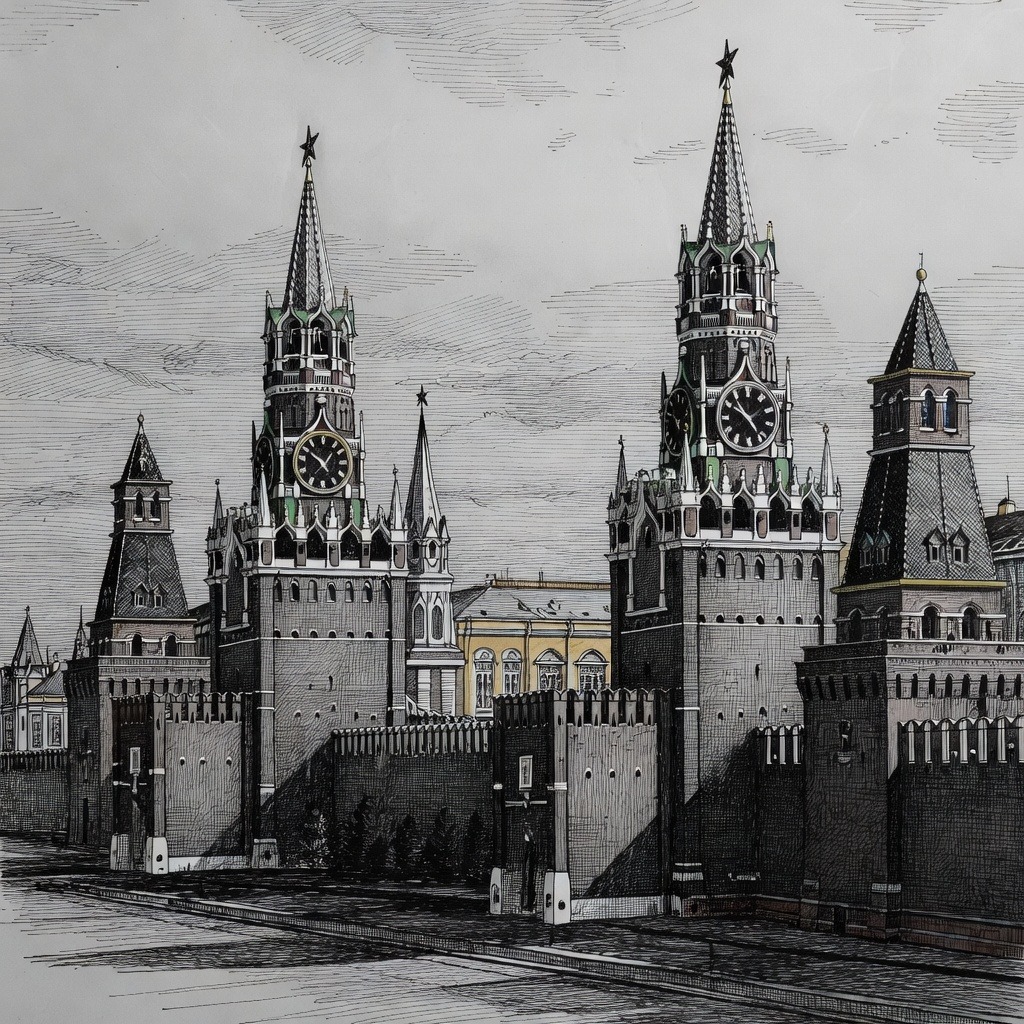
• Fragile Diplomatic Band-Aid Preservation of life and diplomatic continuity form the baseline for assessing the U.S.-announced three-day ceasefire and prisoner exchange. While recovering detainees is a localized victory, a short-term truce layered over a nationalist holiday is viewed as political theater rather than a structural diplomatic breakthrough. Given the history of failed unilateral declarations, this brief pause risks being utilized for military repositioning rather than serving as a genuine stepping stone toward a comprehensive, lasting peace agreement.
• Cycle of Retaliatory Escalation Civilian protection is paramount, making the rhetorical brinkmanship surrounding the Victory Day parade deeply alarming. The exchange of mock decrees from Kyiv and subsequent threats of "massive retaliatory missile strikes" from Moscow highlight the dangerous volatility of the conflict. This posturing is seen as a reckless gamble that prioritizes nationalist ego over human safety, directly risking catastrophic humanitarian consequences for the residents of central Kyiv over a purely symbolic event.
• Humanitarian Cost of Coercion Global equity and civilian welfare drive profound skepticism regarding the ongoing military operations in the Strait of Hormuz. Although U.S. policymakers explicitly claim the campaign is designed to minimize civilian suffering while dismantling Iran's nuclear program, the resulting high oil prices and severe commodity shortages disproportionately harm vulnerable global populations. Relying on military force and economic chokeholds to compel disarmament inevitably functions as a regressive tax on the global public, causing widespread collateral damage far beyond the immediate conflict zone.
How it may affect me
As a U.S. reader:
• In the short term, you will likely experience higher costs for fuel and everyday goods, as the U.S. military engagement in the Strait of Hormuz is causing severe disruptions to global energy markets and triggering commodity shortages.
• In the long term, the outcome of the conflict with Iran will determine whether these high energy prices and supply chain issues stabilize or become a permanent strain on the domestic and global economy.
• You will see a continued commitment of U.S. military and diplomatic resources abroad, as American forces actively fight to reopen Middle Eastern shipping lanes while the government simultaneously brokers temporary truces and prisoner exchanges in Eastern Europe.
• Because the U.S.-brokered ceasefire in Ukraine is brief and lacks a comprehensive peace agreement, you should not expect an immediate end to the broader international tensions and associated global risks stemming from that ongoing war.