
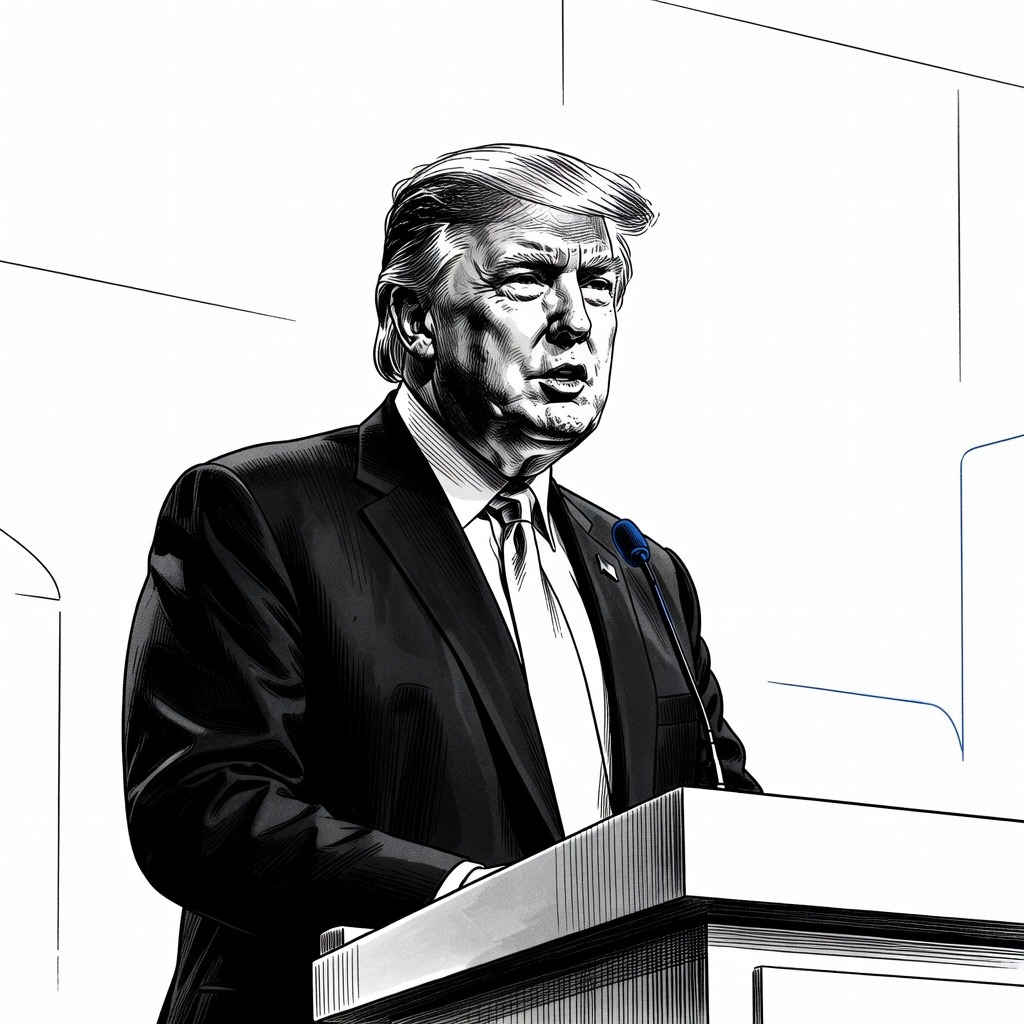
• Shielding Impartial Due Process The defense's motion to disqualify Todd Blanche and Jeanine Pirro is viewed through this lens as a vital mechanism for government accountability. Because these top officials were at the targeted event, basic internal conflict-of-interest regulations dictate their recusal to prevent the justice system from becoming a tool of personal grievance. This camp values strict adherence to procedural justice, fearing that allowing potential victims and witnesses to prosecute their own attacker inherently compromises prosecutorial neutrality and violates the defendant's civil liberties.
• Challenging the Deflection Narrative This framework firmly rejects efforts by political figures like Representative Jim Jordan to unilaterally blame "left-wing rhetoric" for Cole Allen’s radicalization. Instead, they view these partisan assertions as calculated attempts to suppress legitimate political critique and deflect from concrete issues like the ease of accessing the handguns and shotguns used in the breach. The Reformer logic identifies the focus on "negative coverage" as a dangerous scapegoating tactic designed to insulate the administration from accountability under the guise of maintaining security.
• Combating Institutional Erosion The proliferation of conspiracy theories regarding the assassination attempt is seen as a profound threat to democratic stability and institutional integrity. For the Left, allegations from Representative Tim Burchett about "intentional capitulations" by authorities represent a dangerous escalation that actively weakens public faith in civil servants and law enforcement. The primary risk identified here is that exploiting a violent event to foster internal suspicion will irreparably damage the credibility of the federal agencies tasked with objective, non-partisan governance.
How it may affect me
As a U.S. reader:
• You may observe a long-term decline in public trust toward federal law enforcement and civil servants as lawmakers publicly debate whether the security breach resulted from standard incompetence or deliberate, intentional failures by authorities.
• The outcome of the disqualification motion could establish a long-term legal precedent regarding prosecutorial neutrality and civil liberties, determining whether government officials can lead prosecutions in cases where they are also considered potential victims.
• In the short term, you might encounter an increasingly polarized media environment, as prominent public figures and politicians actively blame negative news coverage and partisan rhetoric for radicalizing individuals to commit violence.
• The public response to the attack will likely shape upcoming domestic policy discussions, forcing citizens to navigate competing legislative priorities that pit efforts to restrict access to handguns and shotguns against attempts to curtail hostile political speech.