
• Catalyzing an Escalatory Cycle Humanitarian frameworks prioritize de-escalation, viewing the rapid exchange of fire in the Strait of Hormuz as a dangerous failure of conflict management. The competing narratives—the U.S. citing unprovoked attacks on destroyers while Iran claims retaliation for strikes on civilian areas and an oil tanker—illustrate how kinetic actions rapidly blur the lines of proportionality. This retaliatory loop immediately threatens to collapse the fragile month-old ceasefire into a broader, uncontrollable regional war.
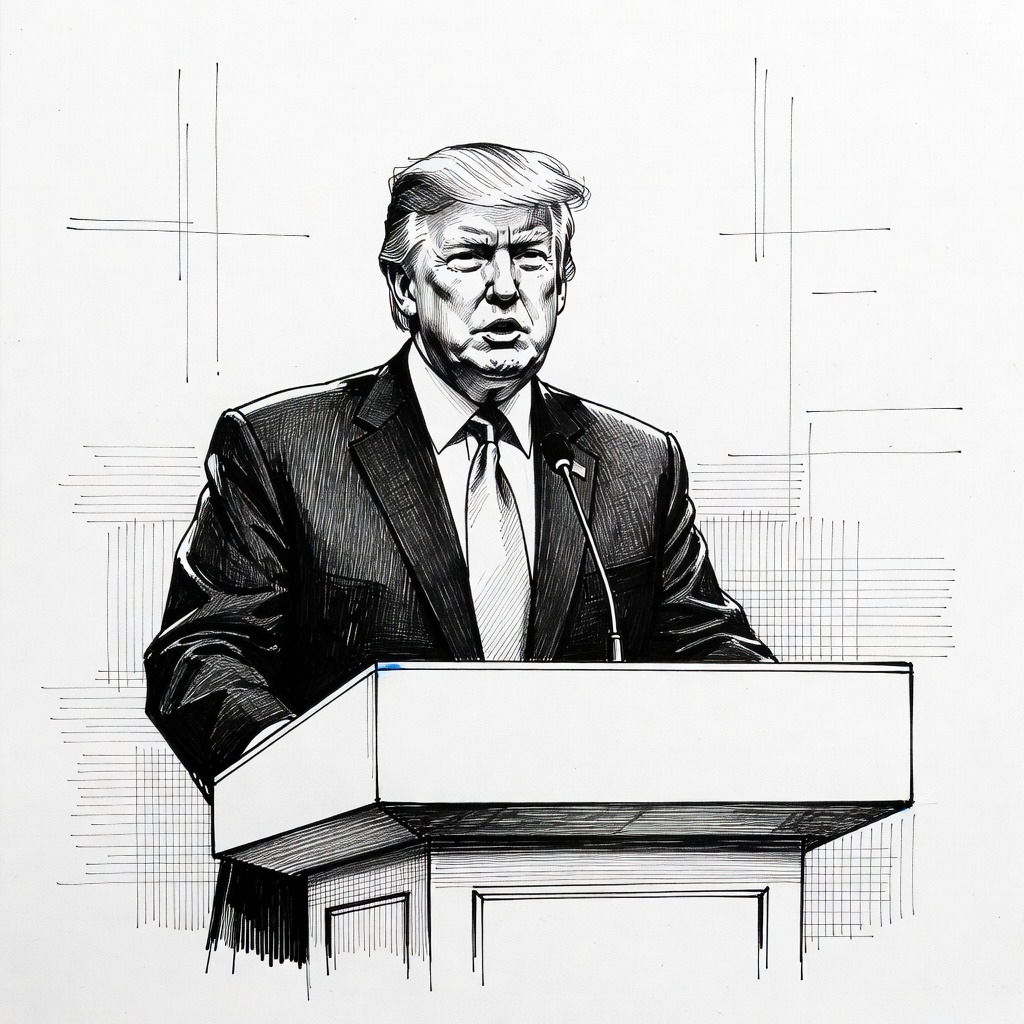
• Undermining Diplomacy With Coercion Diplomatic resolution requires sustainable, mutual off-ramps rather than unilateral ultimatums. President Trump's characterization of the event as a "minor strike" paired with threats of "more severe military strikes" to force a rapid peace deal is viewed as a counterproductive approach to statecraft. Relying on military coercion immediately preceding the Beijing summit with President Xi risks incentivizing Iranian hardliners to dig in rather than negotiate, souring the climate for genuine multilateral dialogue.
• Gambling With Collateral Fallout The primary fear within this framework is that leveraging military force as a negotiating tactic ignores the massive human and systemic costs of a miscalculation. A localized skirmish involving drones, missiles, and naval destroyers in a vital global chokepoint operates on a razor-thin margin for error. If brinkmanship shatters the ceasefire entirely, the resulting escalation would carry devastating civilian consequences and permanently derail the broader diplomatic agenda in China.
How it may affect me
As a U.S. reader:
• In the short term, the fragile ceasefire and the threat of severe follow-up strikes raise the risk of the United States being drawn into an uncontrollable regional war, which would directly involve American military personnel and national resources.
• The naval conflict involves an oil tanker in a vital global chokepoint, presenting an immediate short-term risk of systemic economic and maritime shipping costs that could eventually impact the broader public.
• Over the long term, domestic consumer markets may be affected by the upcoming Beijing summit, where U.S. officials and a delegation of business executives are scheduled to negotiate tariffs, rare earth supplies, and bilateral trade agreements.
• The long-term success or failure of these bilateral economic agreements will likely depend on whether the recent military exchange successfully provides the U.S. delegation with negotiating leverage or permanently derails the diplomatic agenda.