
• Peril of Escalatory Retaliation The fragility of the month-old ceasefire demonstrates the systemic danger of prioritizing kinetic exchanges over strict diplomacy. Launching retaliatory airstrikes on Iranian facilities risks a devastating escalatory spiral that actively undermines the goal of long-term conflict resolution. By categorizing the strikes as "minor" while simultaneously threatening heavier action, the administration gambles with the delicate, Pakistan-brokered peace proposal currently under review.
• Civilian Toll of Regional Spillover Military engagement cannot be isolated from immediate human suffering and broader regional instability. This dangerous spillover effect is already materializing, evidenced by the Iranian missile and drone barrage in the UAE that left three individuals wounded. Prioritizing aggressive military posturing over absolute de-escalation ensures that civilian populations across the Gulf will continue to bear the physical and psychological costs of a war that began in February.
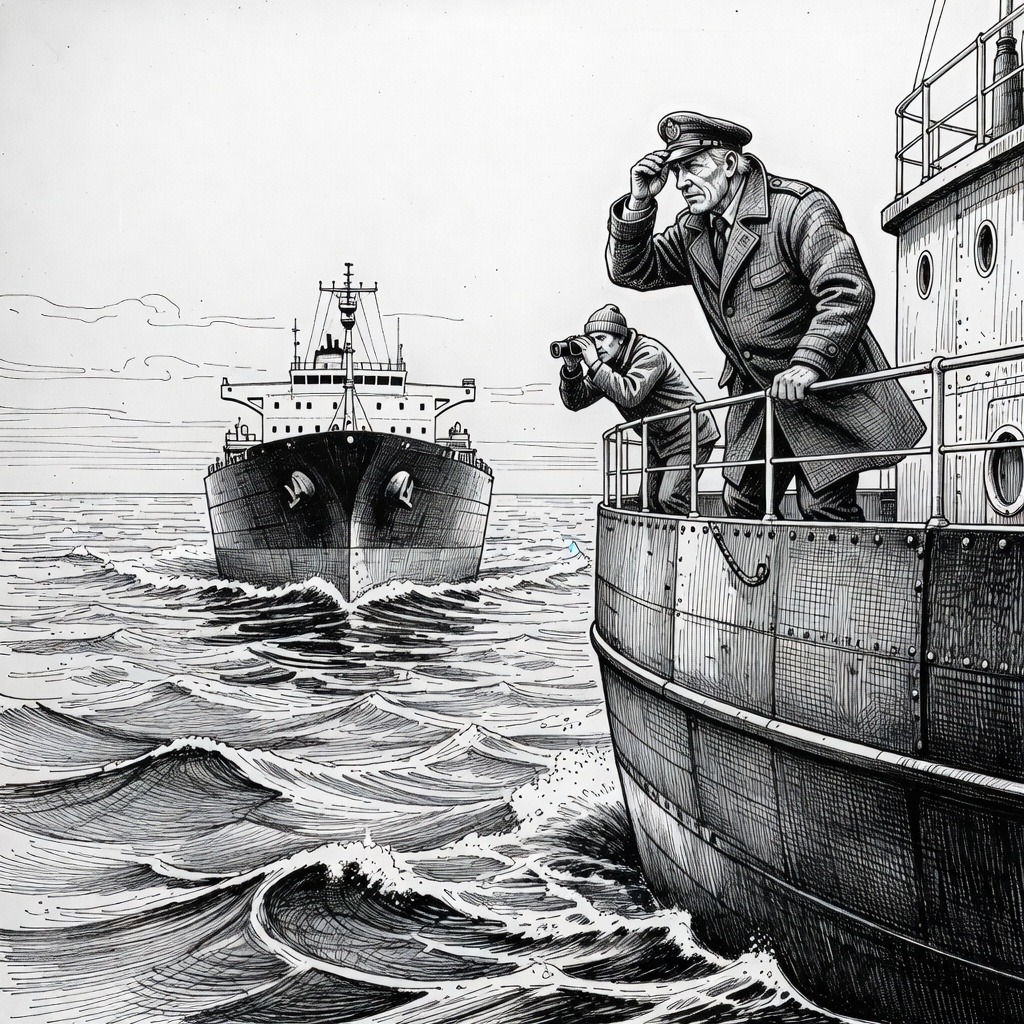
• Socioeconomic Cost of Brinkmanship Kinetic conflict in critical maritime chokepoints creates profound socioeconomic downstream effects that harm everyday global citizens. With Brent crude nearing $100 per barrel and commercial shipping stalled in the Strait of Hormuz, continued militarization directly inflates global living and energy costs. Permitting these naval clashes to persist rather than enforcing an immediate diplomatic freeze punishes the global working class by deeply destabilizing essential energy markets.
How it may affect me
As a U.S. reader:
• In the short term, you may experience higher everyday living and energy costs due to stalled commercial shipping in the Strait of Hormuz and crude oil prices nearing $100 per barrel.
• Your financial investments could face immediate volatility as global markets brace for instability and the potential prolonged closure of critical maritime trade routes.
• In the long term, there is a risk of broader American military entanglement if the current peace proposal mediated by Pakistan fails and the United States pursues heavier military action as threatened.