
• Sacrificing Labor and Consumers Prioritizing systemic equity requires safeguards for the individuals who power and rely on a corporation. The abrupt cancellation of 9,000 flights and the failure to inform personnel about the shutdown demonstrate a severe breakdown in basic corporate accountability. This sudden collapse leaves vulnerable travelers stranded and workers entirely unmoored, proving that when executives mismanage a company, the working class absorbs the immediate economic shock.
• Cannibalizing the Premium Assets Social equity advocates view the rapid division of a failed company's infrastructure with deep skepticism regarding corporate extraction. As aviation analysts Henry Harteveldt and Ahmed Abdelghany predict, competing carriers will quickly absorb Spirit’s highly valuable gates and landing slots at key hubs like Newark and LaGuardia. This dynamic accelerates market consolidation, empowering remaining legacy airlines to dictate higher prices and further extract wealth from consumers who just lost their primary ultra-low-cost option.
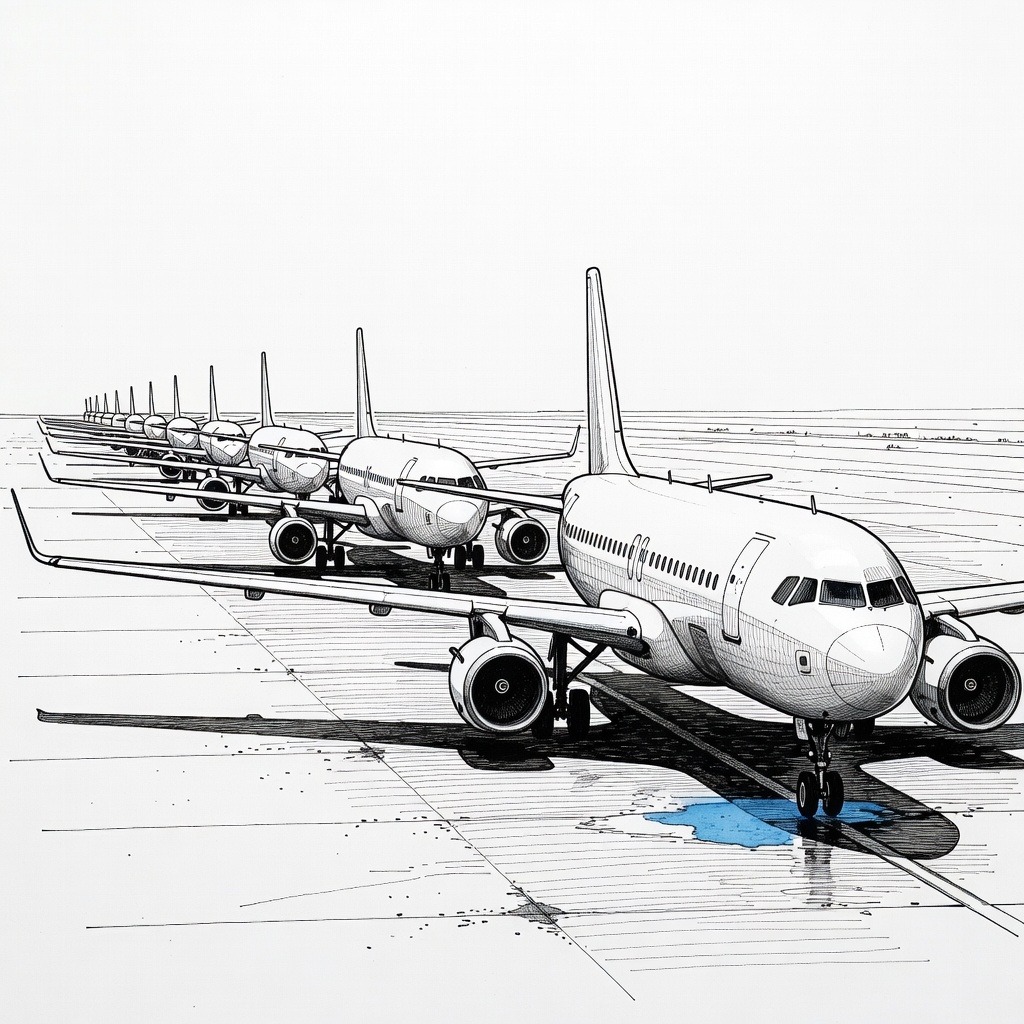
• Manifestation of Systemic Waste A consumer-focused economy should guarantee the efficient, public-serving use of physical resources rather than abandoning them to corporate speculation. The reality that dozens of Airbus aircraft will sit idle in desert storage simply because high jet fuel costs make them temporarily unprofitable highlights the immense inefficiencies of a purely profit-driven aviation sector. Grounding over 90 aircraft represents an enormous waste of industrial and transit capacity while the public simultaneously loses access to affordable domestic travel.
How it may affect me
As a U.S. reader:
• In the short term, travelers face immediate disruptions and the risk of being stranded due to the sudden cancellation of 9,000 scheduled flights.
• Airline personnel face sudden unemployment and an immediate economic shock due to the abrupt operational shutdown.
• In the long term, consumers may encounter higher domestic airfares as the loss of an ultra-low-cost option allows remaining legacy airlines to consolidate the market.
• Travel routes at key airports like Newark and LaGuardia will transition to competing carriers as they absorb the liquidated airline's gates and landing slots.
• The overall supply of available passenger planes will be reduced for an extended period while dozens of aircraft sit idle in desert storage due to high jet fuel costs.