
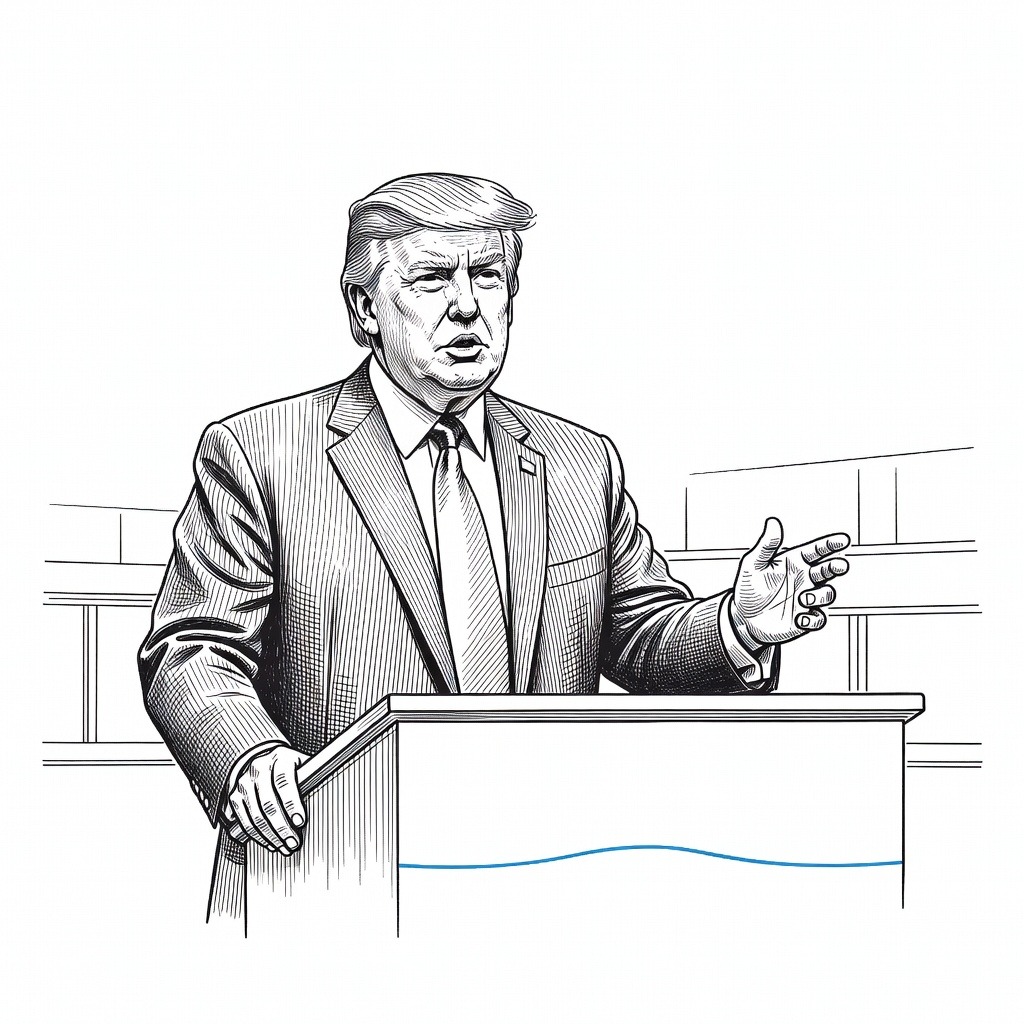
AI-generated illustration. Visual interpretation does not represent real individuals or scenes.
New Federal Programs and Manufacturer Coupons Show Mixed Impact on Prescription Drug Costs
2026-05-07
The BareStory
Recent federal initiatives and manufacturer discount programs offer varying levels of savings on prescription drugs, with their utility largely depending on a patient's insurance status. In February, the federal government launched TrumpRx, a federally funded discount website and coupon dashboard providing savings on approximately 85 medications for cash-paying and uninsured patients.
The Trump administration also continued a Medicare drug price negotiation program, which capped patients' out-of-pocket Part D spending at $2,000 annually starting in 2025. While TrumpRx has lowered the cash price of specific medications—such as reducing the weight-loss drug Wegovy to $199 a month—many brand-name drugs on the platform remain more expensive than available generic alternatives. Additionally, Antonio Ciaccia of the consulting firm 46brooklyn noted that prices for nearly 1,000 brand-name drugs increased in January 2026.
For patients with commercial insurance, the use of manufacturer-sponsored copay coupons has declined, according to an April 6 study. Insurers claim these coupons force them to cover expensive brand-name medications, which they argue leads to higher consumer premiums. To counter this, insurance companies often implement programs that prevent manufacturer coupons from counting toward a patient's annual deductible or out-of-pocket maximum. Meanwhile, federal anti-kickback laws legally prohibit Medicare and Medicaid beneficiaries from using manufacturer coupons altogether.
Left Perspective
Shielding the Most Vulnerable
Exposing Corporate Profit Extraction
Targeting Insurer Cost-Shifting
Right Perspective
Correcting Artificial Market Distortions
Promoting Transparent Price Discovery
Preserving Systemic Fiscal Integrity
Left Perspective
• Shielding the Most Vulnerable
Social equity requires protecting at-risk populations from catastrophic healthcare costs driven by corporate monopolies. The continuation of the Medicare negotiation program and the $2,000 out-of-pocket cap for 2025 are viewed as essential structural reforms. Capping these costs directly restricts the pharmaceutical industry's ability to extract unlimited wealth from a captive demographic that relies on lifesaving medications to survive.
• Exposing Corporate Profit Extraction
Systemic wealth extraction cannot be solved by superficial discount programs that leave underlying monopolies intact. The revelation that prices for nearly 1,000 brand-name drugs increased in January 2026 demonstrates that federally subsidized dashboards like TrumpRx are insufficient to curb industry pricing power. Providing discounts on approximately 85 medications fails to prevent pharmaceutical companies from continuously raising baseline prices across the broader market.
• Targeting Insurer Cost-Shifting
Institutional bureaucracies routinely exploit regulatory gaps to shift financial burdens back onto consumers. Insurance companies implementing programs that block manufacturer coupons from counting toward annual deductibles or out-of-pocket maximums is viewed as a predatory administrative tactic. This maneuvers the system so insurers protect their profit margins while systematically denying patients the financial relief those coupons were intended to provide.
Right Perspective
• Correcting Artificial Market Distortions
Systemic stability relies on accurate pricing mechanisms that reflect true economic costs rather than subsidized illusions. Manufacturer coupons are viewed as anti-competitive tools that artificially steer consumers toward expensive brand-name drugs instead of cheaper generic alternatives. This subverts natural market forces and forces insurers to absorb inflated costs, directly causing the higher consumer premiums reported by the commercial insurance sector.
• Promoting Transparent Price Discovery
Market efficiency dictates that consumers make the best choices when they can interact directly with clear, upfront pricing. The TrumpRx dashboard acts as a mechanism for direct price transparency for cash-paying and uninsured patients, successfully lowering specific market items like Wegovy to $199 a month. However, true fiscal discipline requires pushing patients toward available generics rather than relying on federal platforms to mask the premium costs of brand-name pharmaceuticals.
• Preserving Systemic Fiscal Integrity
Economic stability demands strict boundaries to prevent corporate marketing tactics from bankrupting public and private risk pools. Federal anti-kickback laws that prohibit Medicare and Medicaid beneficiaries from using manufacturer coupons serve as a vital firewall against pharmaceutical companies artificially inflating taxpayer burdens. Allowing insurers to block these coupons from counting toward deductibles is considered a necessary defense mechanism to maintain the long-term solvency of the insurance market.
How it may affect me
As a U.S. reader:
• Medicare enrollees will see their out-of-pocket Part D spending capped at $2,000 annually starting in 2025, providing long-term cost protection, though they remain legally barred from utilizing manufacturer drug coupons.
• Uninsured and cash-paying patients can access immediate price reductions on roughly 85 medications via the newly launched TrumpRx website, but they must still compare these prices against generic alternatives, which often remain cheaper.
• Commercially insured patients using manufacturer copay coupons may face higher direct out-of-pocket costs, as insurance companies are increasingly preventing these discounts from counting toward a patient's annual deductible or out-of-pocket maximum.
• Private insurance consumers may continue to experience higher overall premiums over time if the use of manufacturer coupons forces insurers to absorb the costs of expensive brand-name drugs instead of cheaper generics.
• The broader public may still encounter rising underlying medication costs despite targeted federal discount programs, as baseline prices for nearly 1,000 brand-name drugs increased in January 2026.