
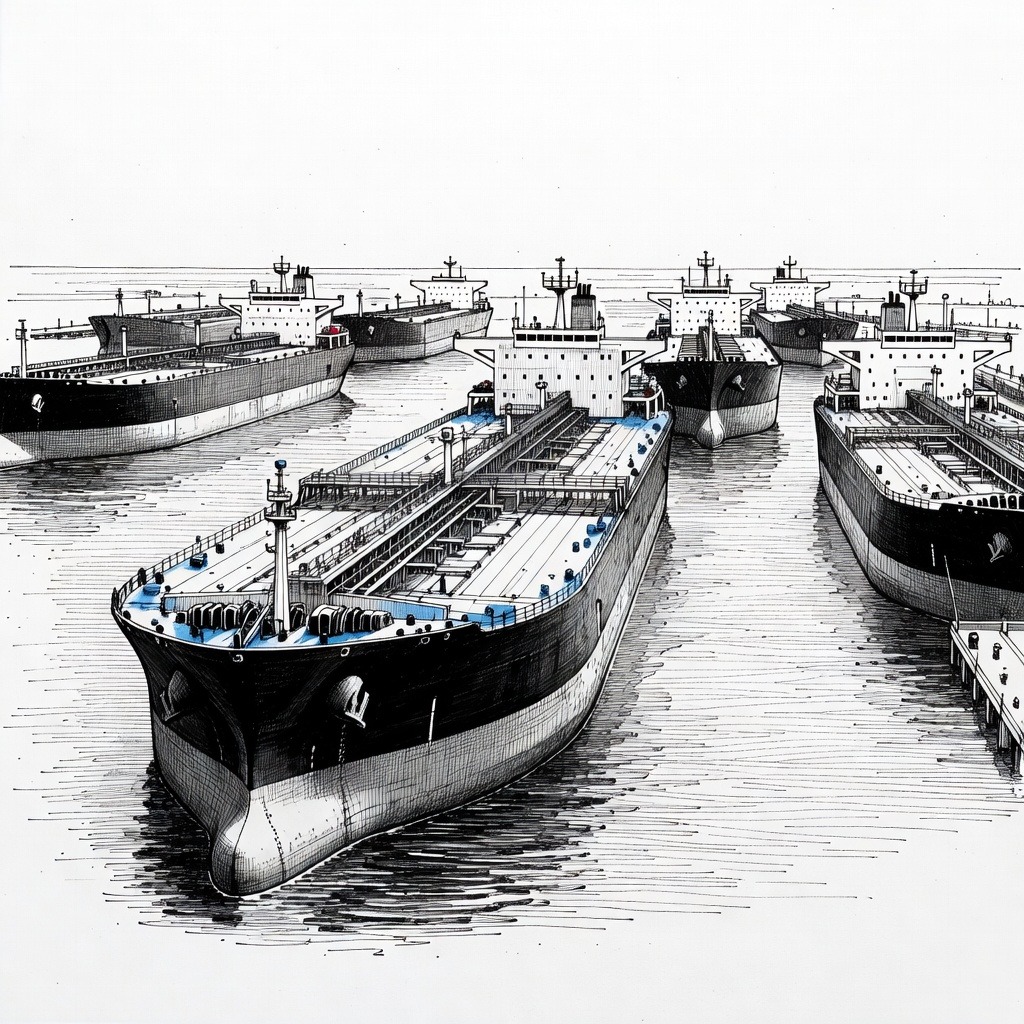
• Prioritize Diplomatic Off-Ramps The temporary pause in U.S. military initiatives and reliance on Pakistani mediators represent a vital triumph for diplomatic engagement over kinetic escalation. This framework is viewed as a necessary mechanism to prevent further loss of life, rooted in the belief that long-term stability in the Persian Gulf cannot be achieved through perpetual warfare. A negotiated ceasefire offers the only sustainable path to untangling an increasingly volatile international crisis.
• Condemn Coercive Negotiation Tactics President Trump’s ultimatum of intensified military strikes and the ongoing naval blockade are interpreted as aggressive posturing that undermines the pursuit of a sustainable peace. Genuine diplomatic resolution relies on mutual good faith, as noted by Iranian officials, rather than existential threats. Leveraging blockades that strangle local populations and economies risks alienating adversaries, empowering hardliners, and collapsing the fragile framework currently under review in Tehran.
• Highlight Widespread Collateral Costs The overarching consequences of militarization are starkly evident in the 50 percent surge in average U.S. gasoline prices and the civilian casualties reported by the Lebanese health ministry following regional strikes. This perspective views these realities as definitive proof that armed conflicts disproportionately harm everyday citizens, both financially and physically. The cascading fallout from the Strait of Hormuz closure demonstrates that military-first foreign policy consistently generates unmanageable humanitarian and economic blowback.
How it may affect me
As a U.S. reader:
• In the short term, you will likely continue facing significantly elevated energy and transportation costs, as average domestic gasoline prices have risen more than 50 percent since the conflict began in February.
• If a diplomatic agreement is finalized, you may experience long-term financial relief at the gas pump as global energy markets stabilize, evidenced by crude oil futures recently dropping below $100 per barrel in anticipation of a deal.
• The consumer cost of international goods could be impacted in the long term if the Strait of Hormuz reopens under new Iranian regulations that impose tolls on global commercial shipping.
• If the peace proposal is rejected, you could face continued market volatility and further economic blowback resulting from the promised escalation of U.S. military strikes and the ongoing naval blockade.