
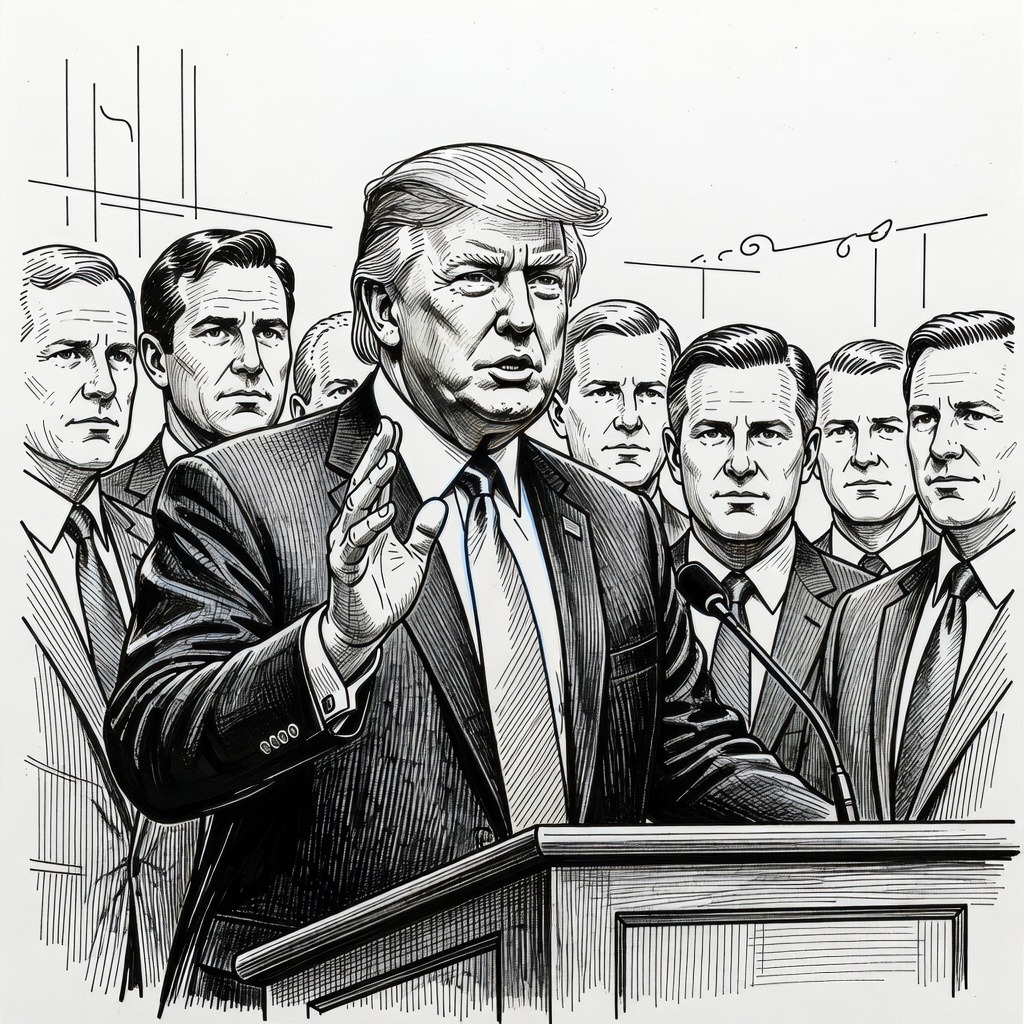
• Shielding the Democratic Guardrails Preserving institutional integrity requires standing against aggressive partisan gerrymandering, even when facing immense pressure from within one's own party. The ousted Indiana incumbents correctly identified that a redistricting map explicitly designed to capture all nine U.S. House seats set a dangerous, anti-democratic precedent. Punishing these lawmakers for prioritizing fair electoral representation over pure partisan power grabs demonstrates a severe erosion of principled, accountable governance.
• Hijacking Genuine Local Accountability True government accountability is deeply compromised when massive external capital overrides localized electoral interests. Unprecedented millions of dollars, largely driven by out-of-state groups and conservative organizations, successfully overwhelmed the traditional dynamics of the state Senate primaries. Replacing established local lawmakers like Travis Holdman with heavily funded challengers like Blake Fiechter reflects a vulnerable system where extreme financial leverage easily dictates state-level legislative compliance.
• Weaponizing Intimidation Against Dissent Protecting civil liberties demands an absolute rejection of targeted harassment and coercion as acceptable tools for ensuring political unity. The reports of doxxing and intimidation directed at state senators who defied the White House mandate illustrate a chilling shift toward authoritarian enforcement tactics. When a former president explicitly labels legislative dissenters as "Republicans in name only," it actively greenlights a hostile environment meant to permanently dismantle internal checks and balances.
How it may affect me
As a U.S. reader:
• The primary outcomes increase the long-term likelihood that Indiana will pass a redistricting map securing all nine of its U.S. House seats for Republicans, which would directly alter the partisan balance of the federal government.
• The success of using millions of dollars in out-of-state funding to unseat local incumbents signals a continuing trend where national financial leverage can dictate state-level legislative races across the country.
• State lawmakers nationwide may feel immediate and long-term pressure to align with strict national party mandates and presidential endorsements rather than local institutional precedents to avoid similar well-funded primary defeats.
• Reports of doxxing and intimidation directed at dissenting lawmakers point to a more hostile political environment that could deter citizens from running for local office or engaging in the legislative process.