
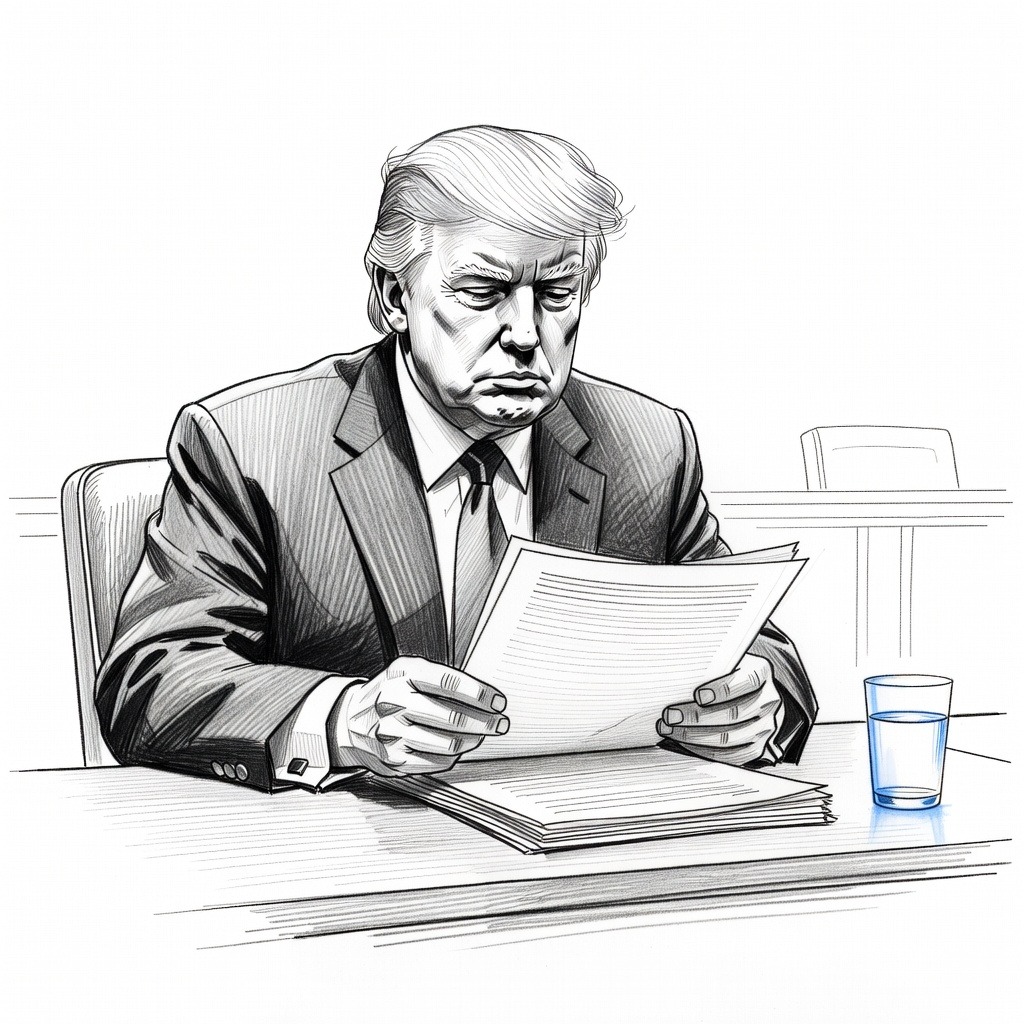
• Enforcing Universal Accountability Prioritizes the foundational democratic principle that public office does not provide a shield for private misconduct. Interprets the invocation of the Westfall Act and presidential immunity for 2019 statements denying 1990s actions as a dangerous overextension of executive privilege. From this perspective, the $83.3 million judgment represents essential institutional pushback against attempts to conflate personal defamation with official government duties.
• Vindicating Vulnerable Litigants Emphasizes the protection of civil liberties and the critical role of the jury system in validating victims of abuse. Views the initial $5 million verdict for sexual abuse and the subsequent $83.3 million penalty as necessary mechanisms to penalize the severe harassment and threats directed at E. Jean Carroll. Carroll’s demand for a $7.46 million bond increase is seen as a vital, pragmatic safeguard to ensure the victim is fully compensated without falling prey to financial evasion.
• Weaponizing Procedural Delay Fears that appellate stay requests are frequently utilized by powerful individuals as structural tactics to exhaust the legal system and evade consequences. Views the prospect of Supreme Court intervention not as a genuine pursuit of constitutional clarity, but as a calculated exploitation of legal friction. The long-term risk perceived by this camp is that granting such stays indefinitely delays the execution of a valid mandate, fundamentally eroding public faith in equal justice under the law.
How it may affect me
As a U.S. reader:
• In the short term, the court's decision on whether to pause the penalty will demonstrate how the legal system manages massive financial judgments for high-profile individuals, which may influence public confidence in equal accountability and procedural fairness.
• The case will set a long-term legal precedent regarding presidential immunity, clarifying whether future commanders-in-chief can be held personally financially liable for public statements or if they are shielded to protect executive independence.
• If the Supreme Court ultimately reviews the case and agrees with the invocation of the Westfall Act, it could create a standard where the United States government is substituted as the defendant, shifting the legal liability for certain presidential communications away from the individual.
• The final enforcement or dismissal of the 83.3 million dollar judgment will likely impact the long-term landscape of civil litigation, either reinforcing protections for citizens against harassment by powerful figures or normalizing massive civil damage awards as a recurring tactic against national political opponents.