
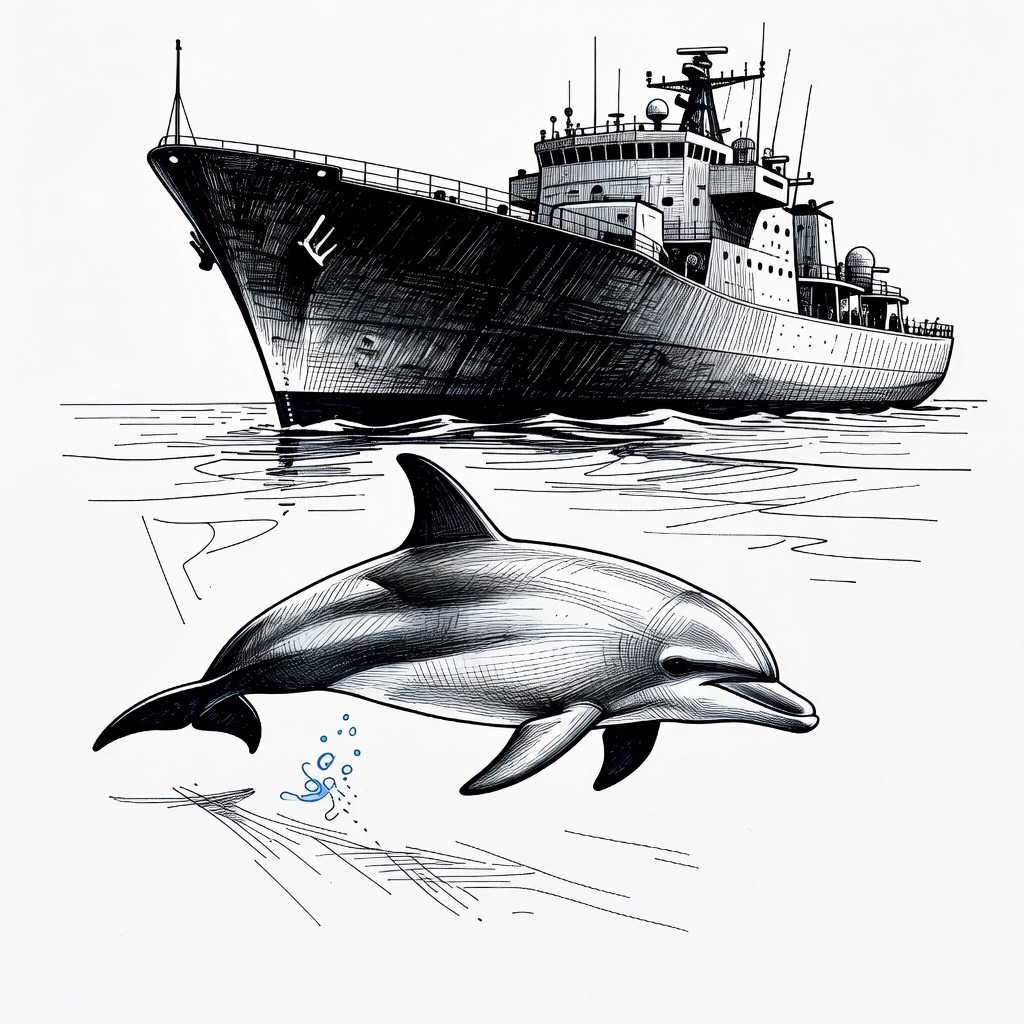
• Defuse Sensationalist War Narratives Prioritizing de-escalation requires dismantling inflammatory rumors that could unnecessarily heighten regional tensions. Defense Secretary Pete Hegseth’s direct denial of Iranian "kamikaze dolphins" actively prevents unverified reports from manufacturing public panic. By officially shutting down the narrative of weaponized marine mammals, defense officials remove a bizarre but potentially volatile flashpoint that could disrupt the ongoing official ceasefire.
• Prioritize Defensive Maritime Safety Military utility is best measured by its capacity for harm reduction and the preservation of civilian life. The newly announced U.S. initiative to assist stranded commercial vessels aligns perfectly with the goal of ensuring safe, stable passage through the heavily trafficked Strait of Hormuz. Furthermore, emphasizing that the long-standing U.S. marine mammal program is utilized exclusively for defensive measures—such as locating explosives for neutralization at Umm Qasr in 2003—reinforces a doctrine of protection over aggression.
• Guard Against Escalatory Paranoia Fixating on hyper-unconventional threats distracts from the fragile necessity of diplomatic and operational stability. While acknowledging Iran's historical use of drones and fast-attack boats is necessary, allowing rumors of animal-borne naval mines to circulate feeds an environment of perpetual, irrational suspicion. The long-term risk is that this hypersensitivity to asymmetric warfare will breed a paranoia that ultimately unravels the current maritime ceasefire, plunging the region back into active clashes.
How it may affect me
As a U.S. reader:
• In the short term, the official dismissal of weaponized marine mammal rumors prevents public panic and curbs sensationalist narratives regarding bizarre threats to American forces.
• The new U.S. initiative to assist stranded commercial vessels in the Strait of Hormuz helps secure heavily trafficked global trade routes, ensuring stable commercial shipping operations.
• Over the long term, maintaining focus on verified regional threats like drones rather than unverified rumors helps preserve the current maritime ceasefire, lowering the risk of U.S. personnel facing renewed active clashes.
• The continued operation of the established U.S. marine mammal program will require ongoing defense resource allocation to ensure American warships and personnel remain protected from undetected underwater explosives.