
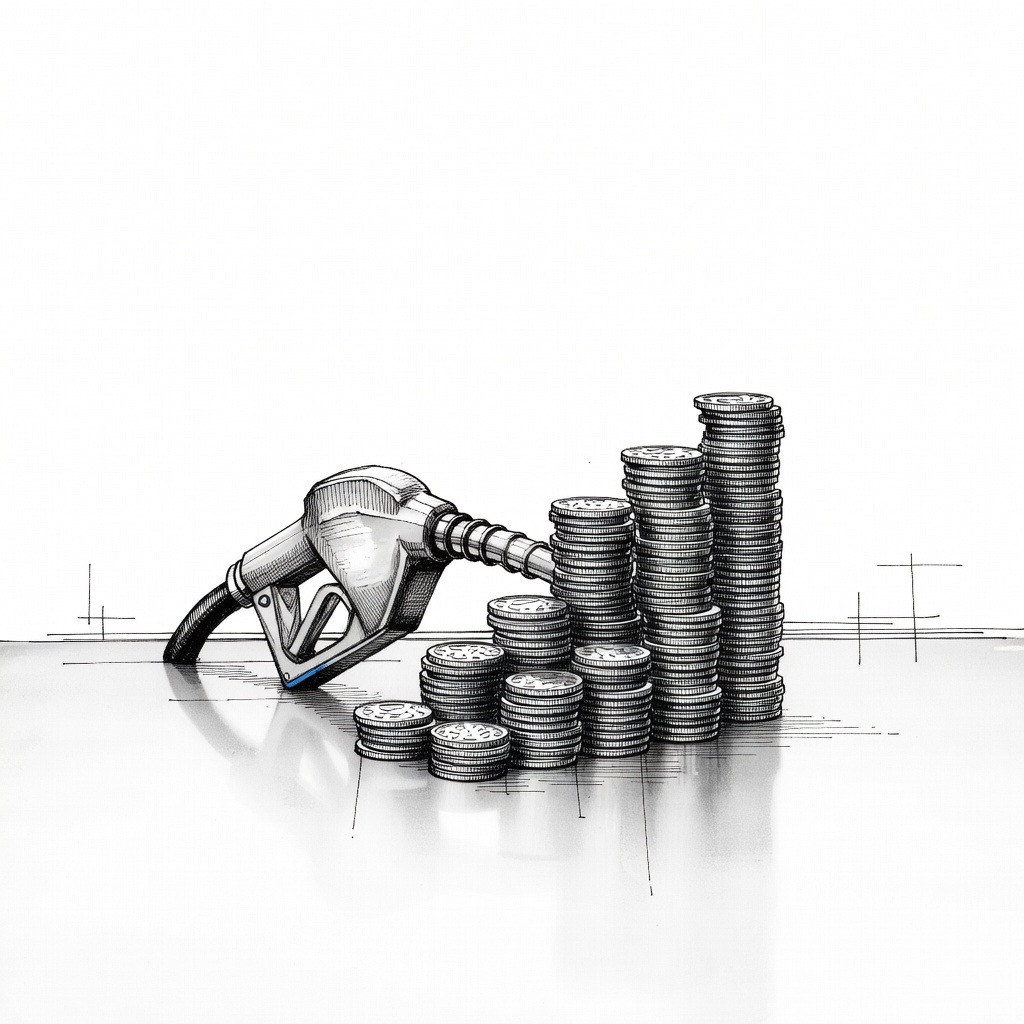
• Punishing the Vulnerable Consumer Economic equity demands protecting citizens from costs they cannot control. The RBA’s decision to hike rates to 4.35 percent directly penalizes households for a geopolitical supply-side crisis originating in the Middle East. Increasing the cost of borrowing does nothing to produce more oil or resolve global conflicts; it merely forces the working class to pay twice—first at the fuel pump, and again through higher debt servicing costs.
• Manufacturing Unnecessary Demand Destruction Protecting broad societal prosperity means prioritizing employment over rigid adherence to institutional targets. By explicitly downgrading projected economic growth to 1.3 percent, the central bank is actively engineering an economic slowdown to cure an externally driven problem. While the European Central Bank and Bank of England rightly held rates steady, the RBA's aggressive posture demonstrates a willingness to sacrifice economic vitality to combat an inflation metric disconnected from domestic consumer demand.
• Blunt Technocratic Policy Overreach Deploying traditional monetary tools against supply-side disruptions poses severe long-term risks to systemic equity. As highlighted by strategist Julian Howard, fighting an energy shock with interest rates requires exceptionally punishing borrowing constraints to achieve any measurable effect. The persistence of this blunt approach risks triggering a totally avoidable global recession, destroying wealth and employment at the bottom while failing to address the fundamental supply drivers of the 4.6 percent headline inflation.
How it may affect me
As a U.S. reader:
• In the short term, consumers may face continued price increases on everyday goods and services as sustained inflationary pressures and international energy supply shocks are projected to affect multiple global markets over the coming months.
• Individuals seeking loans or credit may eventually face higher borrowing costs, as global central banks navigating this same international energy shock may be required to tighten monetary policy and raise interest rates.
• Over the long term, U.S. workers and investors face the risk of a potential global recession, which financial analysts warn could destroy wealth and employment if central banks rely on exceptionally high interest rates to combat supply-driven inflation.