
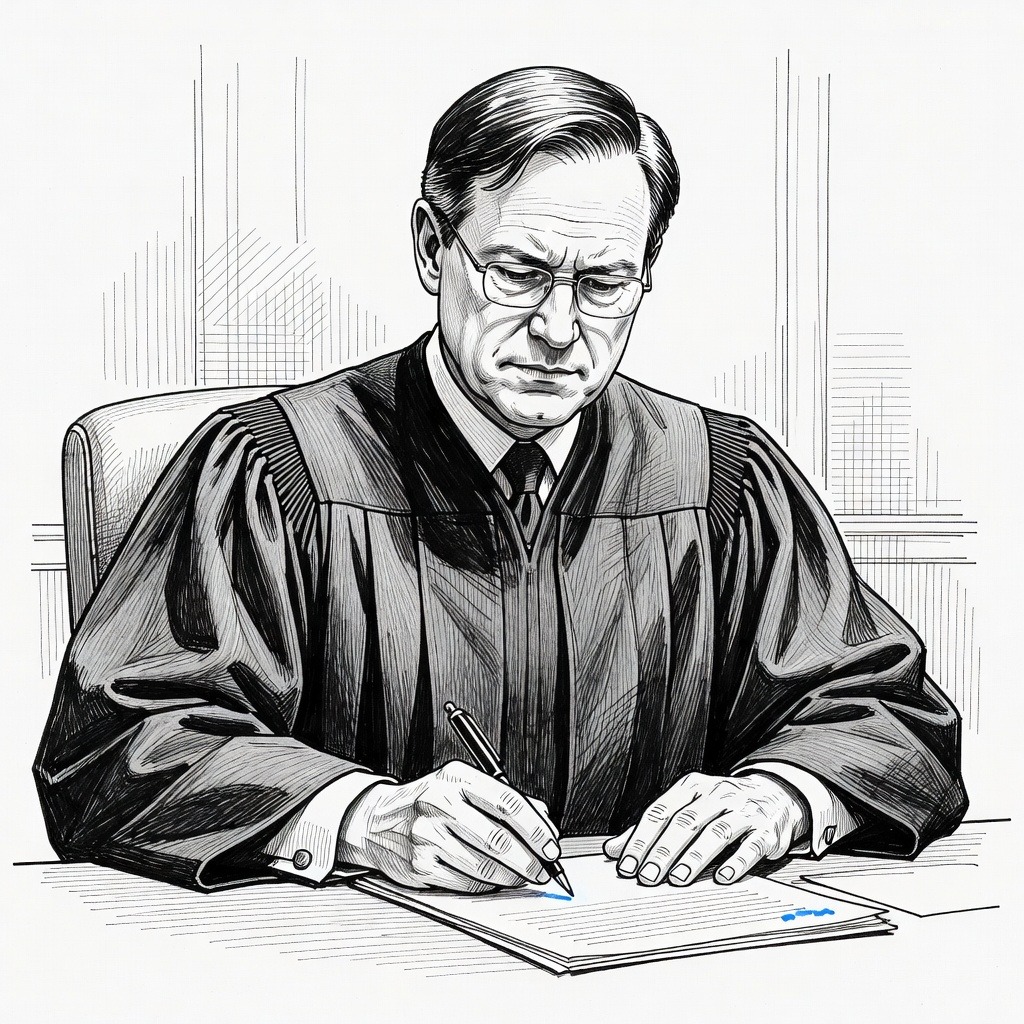
• Dismantling Civil Rights Guardrails Systemic equity requires legal frameworks that recognize and remedy structural disenfranchisement. By shifting the standard to require proof of intentional discrimination, the 6-3 Supreme Court decision creates an artificially high hurdle for minority voters to protect their representation. Narrowing Section 2 of the Voting Rights Act effectively blinds the justice system to the actual outcomes of electoral maps, allowing discriminatory district boundaries to stand so long as explicit racial malice cannot be proven in court.
• Subverting Established Electoral Norms Democratic stability relies on predictable, transparent institutional processes, especially in the lead-up to elections. Bypassing the standard 32-day waiting period introduces sudden chaos into the electoral system and undermines procedural fairness. As Justice Jackson highlighted, abandoning default judicial procedures so close to an election looks like an abrupt institutional overreach, prioritizing an ideological shift over the practical and democratic necessity of a stable voting environment.
• Weaponizing Race-Blind Legal Standards The immediate application of this ruling acts as a green light for aggressive partisan gerrymandering that directly targets minority political power. Expanding the Memphis district to include rural voters demonstrates how "legally defensible" map changes are used to dilute the Black vote. Representative Cohen’s warning underscores the fear that this precedent allows Republican-led states like Tennessee and Alabama to legally erase diverse Democratic representation under the guise of race-neutral geographic consolidation.
How it may affect me
As a U.S. reader:
• In the short term, voters in affected states like Louisiana will experience immediate disruptions to their election schedules, such as suspended House primaries, as officials hastily redraw congressional maps.
• Ahead of upcoming midterms, residents in states including Tennessee and Alabama may find themselves placed into new congressional districts that merge urban and rural areas, which could shift the partisan leaning of their local representation.
• Over the long term, voters and civil rights groups attempting to challenge electoral maps for racial bias will face a stricter legal standard, as they must now explicitly prove intentional discrimination rather than relying on the unequal outcomes of the district lines.
• State legislatures will have broader authority to draw electoral boundaries based on geographic consolidation without factoring in racial demographics, fundamentally changing how voting power is distributed within states.