
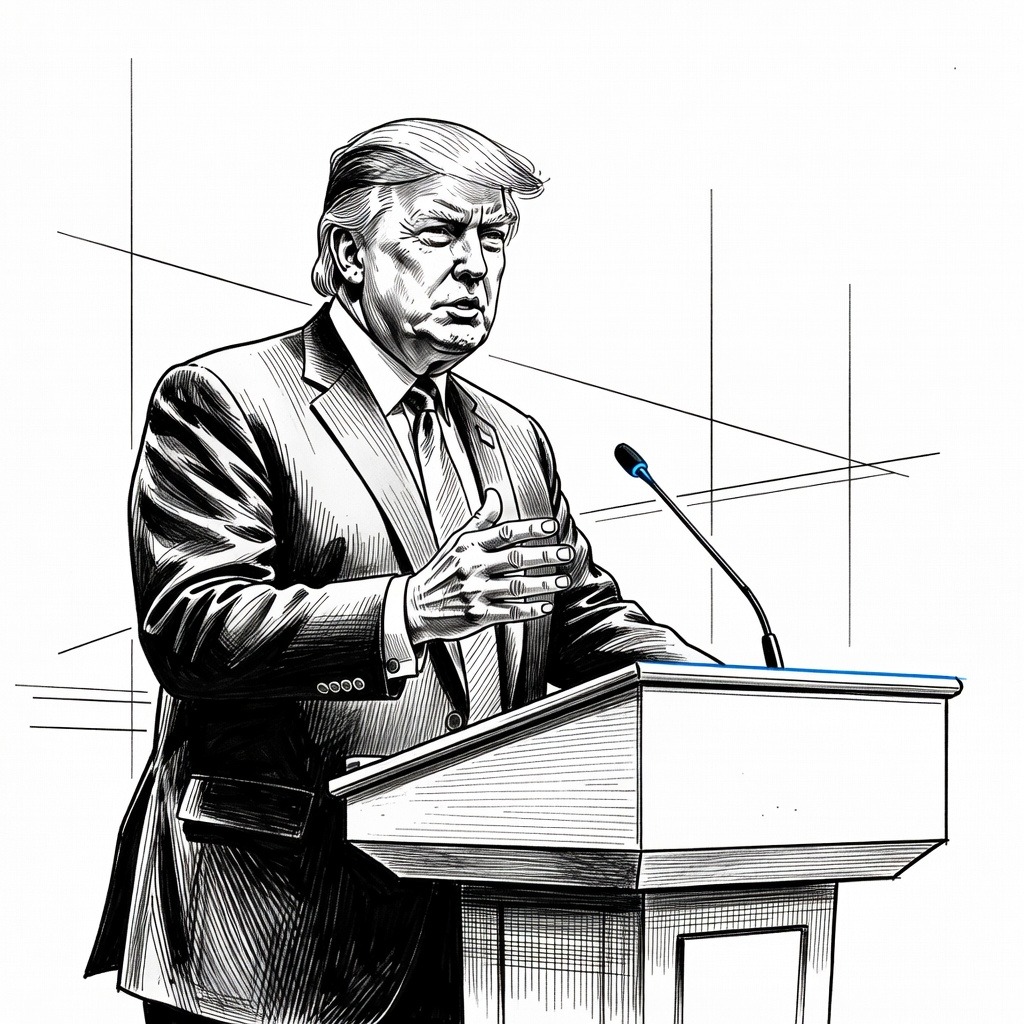
• Demand for Evidentiary Rigor Government accountability dictates that the application of lethal force must be justified by verifiable proof rather than mere presumption. The fact that the administration has not provided evidence proving the destroyed vessel was carrying drugs or that the two casualties were narco-terrorists is viewed as a systemic failure of due process. Treating unverified suspicions along smuggling routes as sufficient grounds for lethal military strikes bypasses fundamental legal standards.
• Condemnation of Lethal Escalation Adherence to international law mandates that military force remains a heavily constrained last resort to prevent unnecessary humanitarian tolls. Accumulating at least 188 deaths since Operation Southern Spear was initiated last September illustrates a disproportionate, highly militarized approach to regional smuggling. Utilizing explosive U.S. Southern Command strikes against small boats in the Caribbean Sea inappropriately converts a traditional law enforcement challenge into a high-casualty war zone.
• Checking Executive Overreach Preventing unchecked institutional power is a core necessity for maintaining global diplomatic norms and civil liberties. Characterizing anti-drug operations as an "active military conflict" creates a framework that normalizes unilateral, deadly strikes in shared international waters. This approach threatens to erode legal constraints on the use of force, establishing a precedent where executive assertions alone can authorize sustained lethal campaigns without transparent civilian oversight.
How it may affect me
As a U.S. reader:
• In the short term, the military's active targeting of Caribbean and Pacific smuggling routes is intended to disrupt the systemic flow of narcotics into the country, potentially impacting domestic drug availability and related societal stability.
• Over the long term, the administration's use of lethal strikes without providing verifiable evidence of drugs may set a precedent that expands executive power, potentially eroding traditional legal constraints and civilian oversight regarding the use of military force.
• The reclassification of drug smuggling from a traditional law enforcement issue to an active military conflict alters how U.S. national security resources are deployed, normalizing high-casualty, militarized responses in shared international waters.
• U.S. military personnel deployed in these anti-drug operations face minimized physical risks, as the strategic use of explosive strikes has allowed forces to neutralize suspected threats with zero American casualties to date.