
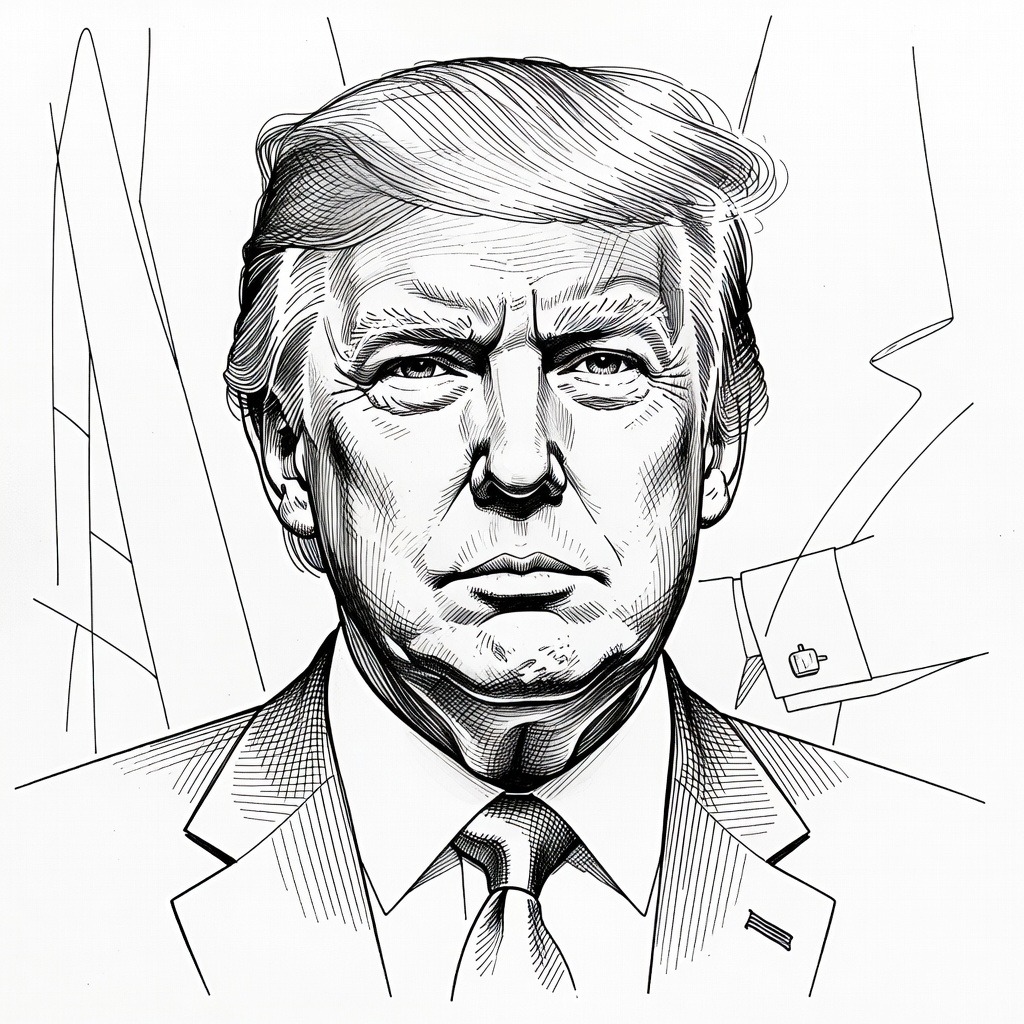
• Shielding the Fragile Ceasefire Prioritizing diplomatic stability over kinetic retaliation, this camp views the preservation of the existing U.S.-Iran ceasefire as paramount. By characterizing the exchange as "not heavy firing" and declining to formally break the truce, President Trump aligns with the logic that immediate de-escalation is necessary to prevent a broader regional war. The overarching goal is to contain the immediate violence without triggering an escalatory spiral that permanently shuts down diplomatic off-ramps.
• Pivoting to Multilateral Accountability Emphasizing international law and global consensus, this framework interprets the U.S. response through the United Nations as the most legitimate path forward. Ambassador Mike Waltz's push for UN resolutions condemning Iran’s alleged use of naval mines and toll collection attempts shifts the conflict from unilateral military action to legal accountability. This approach seeks to build a coalition against maritime aggression, anchoring freedom of navigation in international institutions rather than relying exclusively on brute force.
• Gamble of Port Blockades This perspective harbors deep skepticism toward aggressive physical and economic sieges, viewing Treasury Secretary Scott Bessent’s announcement of blockaded Iranian ports as a highly destabilizing provocation. Implementing an absolute blockade risks severe humanitarian consequences for civilian populations and practically corners the opposing state, potentially forcing desperate military retaliation. The core fear is that maximizing pressure through port closures fundamentally undermines the very ceasefire the administration claims it wants to preserve.
How it may affect me
As a U.S. reader:
• In the short term, ongoing military engagements and the defense of commercial vessels pose immediate physical risks to U.S. service members stationed in the region, directly impacting military families.
• Disruptions or continued conflicts in the Strait of Hormuz could affect broader global economic stability and the steady flow of commercial goods, as this waterway serves as a critical artery for international trade.
• Long-term national security could be impacted if the implementation of port blockades and continued maritime clashes collapse the fragile ceasefire, potentially drawing the United States into a broader regional war.
• You may observe short-term shifts in U.S. foreign policy as the government simultaneously leverages military deterrence and pursues United Nations resolutions to build a global coalition protecting international navigation.