
• Hoarding Extractive Corporate Capital Focusing on the record $397.4 billion in cash reserves, this framework views massive corporate stockpiling as inherently detrimental to broad economic equity. By acting as a net seller of stocks and hoarding capital rather than circulating it into wages or productive societal investments, the company exacerbates wealth concentration. The priority here is protecting the broader economy from a system that rewards endless institutional capital extraction over equitable resource distribution.
• Consolidating Unchecked Conglomerate Power Greg Abel’s commitment to maintaining Berkshire Hathaway’s sprawling conglomerate structure signals a refusal to decentralize corporate dominance. The 18 percent increase in operating profit, driven primarily by a 28 percent rise in insurance underwriting, illustrates how profits are systematically extracted from captive consumer markets. Consumer advocates view this refusal to divest subsidiaries as an anti-competitive maneuver that prioritizes corporate monopolies over fair, accessible markets for ordinary citizens.
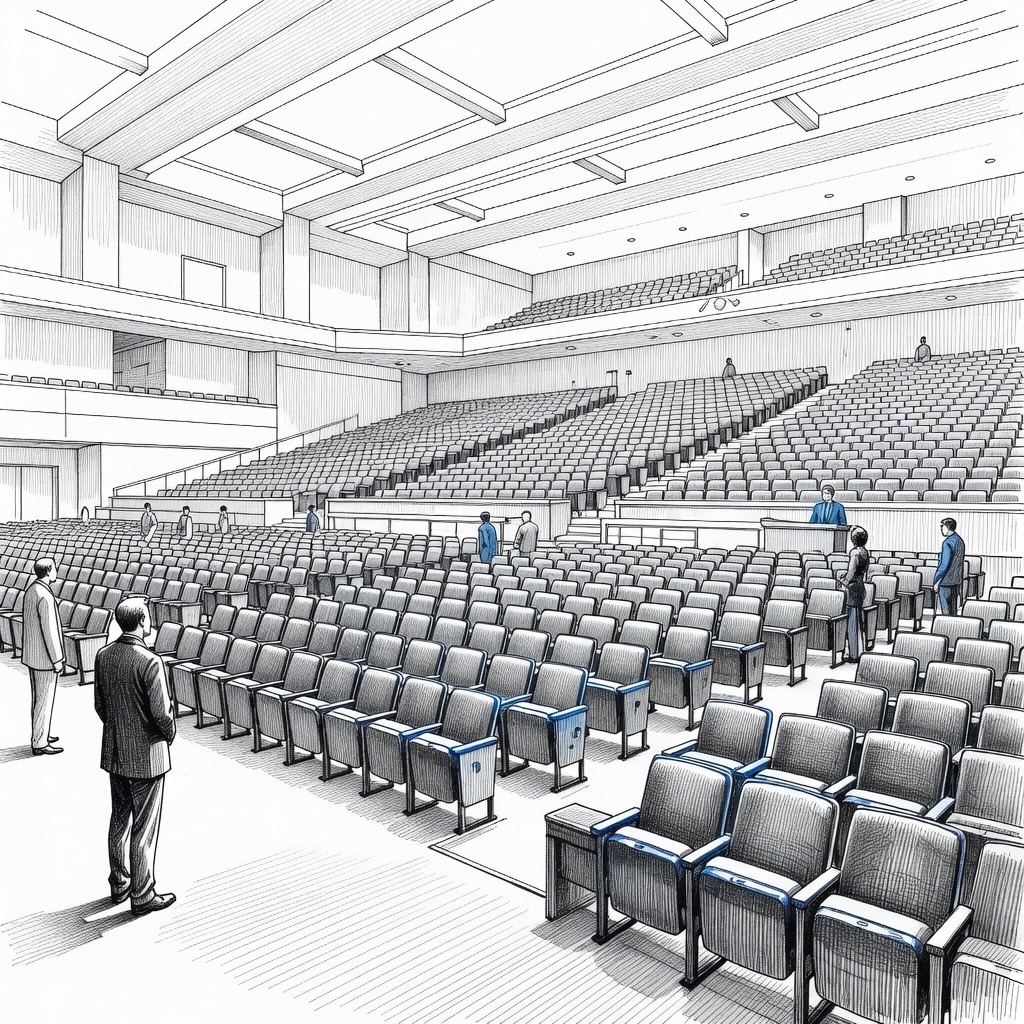
• Unmasking Fragile Corporate Idolatry The half-empty 18,975-seat arena and the bizarre reliance on a deepfake to open the question session underscore the cult-like nature of billionaire wealth celebrations. The dramatic drop in attendance without Warren Buffett serving as host suggests the company's cultural influence relies heavily on personality rather than intrinsic societal value. This side fears that institutionalizing such leadership transitions merely protects the status quo of the billionaire class while completely ignoring broader stakeholder accountability.
How it may affect me
As a U.S. reader:
• In the short term, the company's decision to stockpile $397.4 billion in cash while selling off stocks may warn everyday investors of highly speculative and overvalued financial markets.
• Over the long term, this massive accumulation of capital could position the conglomerate to stabilize the broader economy by injecting liquidity and buying assets during future market downturns.
• The company's profitability, driven heavily by a 28 percent rise in insurance underwriting, indicates that everyday consumers may continue to face increased costs and premiums within captive insurance markets.
• The corporate strategy of holding cash reserves rather than circulating those funds into wages or productive societal investments may contribute to ongoing wealth concentration, potentially limiting broader economic equity for citizens.
• The leadership's commitment to maintaining a sprawling conglomerate structure without divesting subsidiaries means the public will likely continue navigating highly concentrated consumer markets that may lack broader competition.