
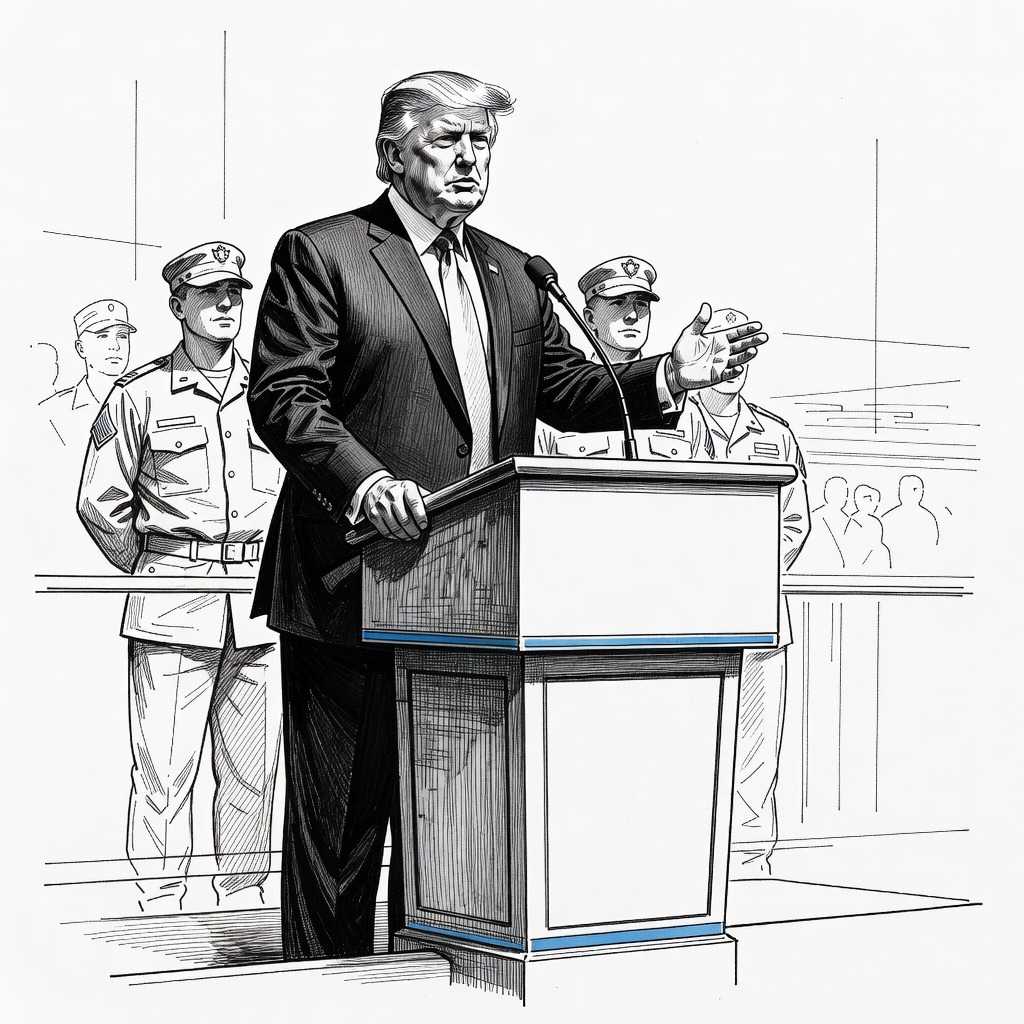
• Fracturing the Transatlantic Shield Prioritizing diplomatic cohesion and international law frames this withdrawal as a dangerous escalation of unilateralism. By pulling 5,000 troops from Germany and threatening Italy and Spain over Iran-related missions, the administration is actively punishing allies who likely favor regional de-escalation in the Middle East. This transactional approach degrades long-term partnerships and isolates Washington simply to force compliance in a specific, volatile conflict.
• Gamble with Global Stability The core internationalist concern is the broad destabilization of established defense frameworks and the resulting risk of escalated conflicts. Polish Prime Minister Donald Tusk’s warning that this action threatens the transatlantic alliance underscores the fear that weakening NATO's unified presence creates a dangerous security vacuum. Removing troops over temporary friction regarding Iran risks permanently damaging the foundational trust required to prevent broader global aggression.
• Activating Vital Legislative Guardrails Valuing government accountability requires strict institutional checks on executive military power to prevent impulsive, punitive security maneuvers. The legislative mandate requiring certification before European troop levels drop below 76,000 is viewed as a necessary institutional defense against erratic diplomacy. Relying on Congress to potentially restrict funding ensures that a rapid 6- to 12-month drawdown does not bypass democratic consensus or irreparably harm long-term security interests.
How it may affect me
As a U.S. reader:
• In the short term, 5,000 American troops will be relocated from Germany over the next six to 12 months, directly impacting the involved military personnel and their families.
• The logistical execution of the current U.S. war with Iran may shift, as the military relies on European bases as critical hubs for Middle East operations and could face further access restrictions in Italy and Spain.
• You may observe near-term legislative disputes in Washington, as Congress could attempt to restrict withdrawal funding if troop levels in Europe drop below the 76,000 threshold without proper security certification.
• In the long term, Americans could see a fundamental change in foreign defense strategy, potentially resulting in less U.S. subsidization of European defense but a more fractured and less unified transatlantic alliance.