
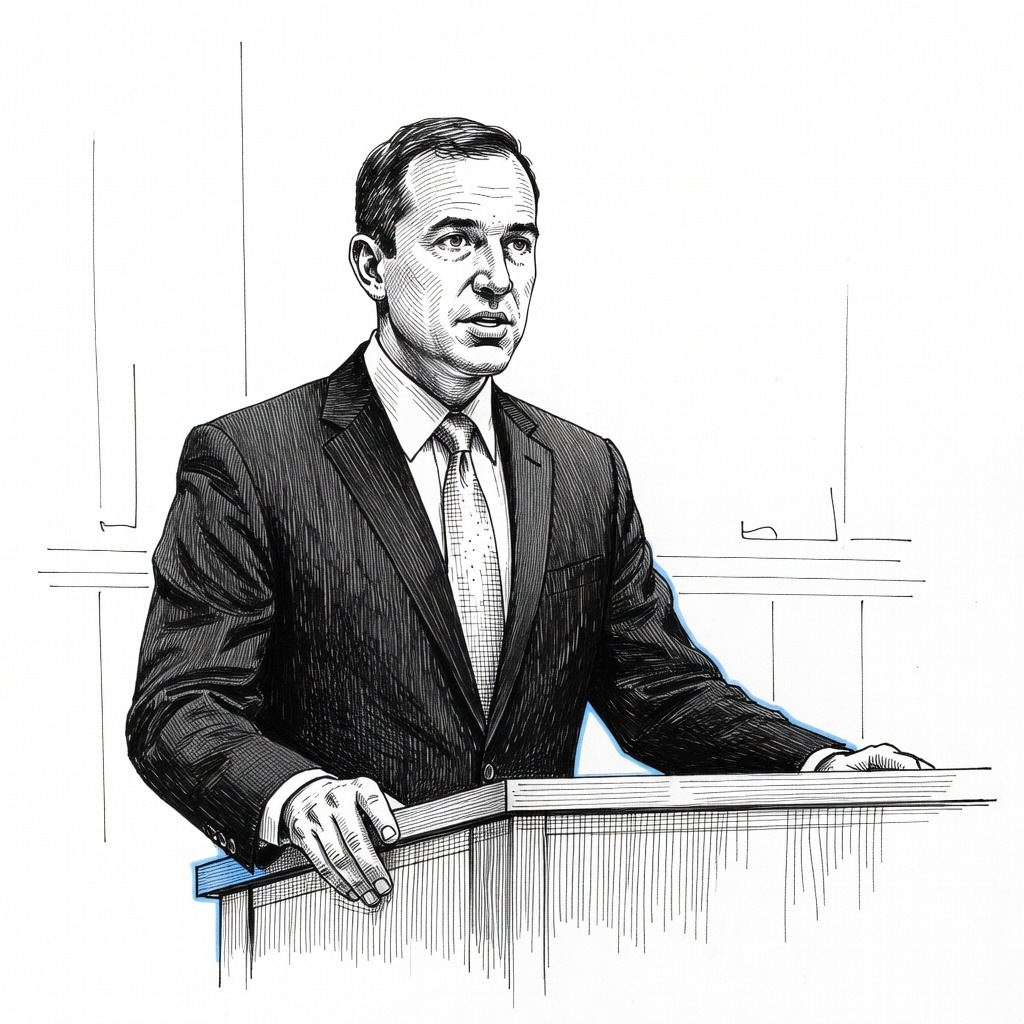
• Crushing Working-Class Mobility High borrowing costs systematically lock lower- and middle-income Americans out of asset ownership and economic advancement. With average 30-year mortgage rates surging to 6.37 percent following an already volatile April, maintaining the current rate environment disproportionately penalizes first-time homebuyers and those reliant on credit. Governor Stephen Miran’s dissent in favor of an immediate rate reduction aligns with the urgent need to alleviate structural financial pressures on everyday consumers rather than sacrificing them to abstract macroeconomic targets.
• Subsidizing Accumulated Wealth Holding interest rates high creates an extractive dynamic that rewards existing capital at the expense of those living paycheck to paycheck. The favorable environment for certificates of deposit and high-yield savings accounts fundamentally transfers economic momentum to those who already possess surplus wealth and can afford to lock it away. Meanwhile, working families bear the brunt of elevated borrowing costs, widening the wealth gap under the guise of systemic economic stabilization.
• Signaling Essential Consumer Relief Forward guidance hinting at future rate cuts serves as a vital psychological and market mechanism to prevent a broader collapse in consumer confidence. While traditionalists cite surging oil prices and 3.2 percent core inflation as reasons to maintain hawkish policies, lower-income demographics cannot indefinitely sustain the dual pressures of inflation and expensive debt. Embedding the expectation of eventual rate reductions acknowledges that prioritizing strict inflation targets over broad affordability risks tipping the most vulnerable households into severe financial distress.
How it may affect me
As a U.S. reader:
• Short-term borrowing costs for mortgages and credit will remain elevated, making it more expensive to finance a home or carry debt.
• If you have surplus cash, you will continue to see near-term benefits through above-average returns on high-yield savings accounts, money market accounts, and certificates of deposit.
• You will continue to face higher day-to-day living costs due to core inflation rising to 3.2 percent, though the current rate pause is intended to stabilize these prices and protect your purchasing power over the long term.
• Eventual decreases in borrowing costs are currently anticipated based on central bank guidance, but external factors like global conflicts and surging oil prices could alter or delay this long-term relief.