
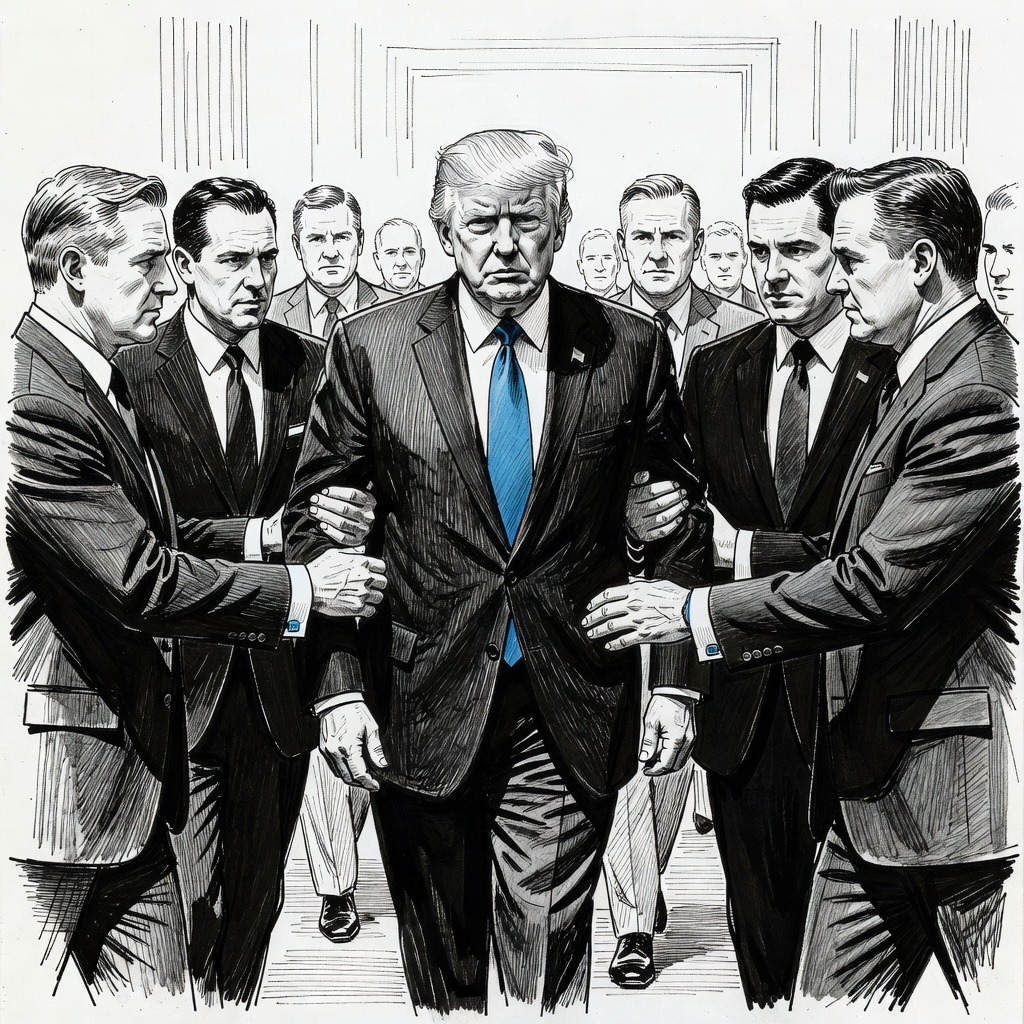
• Scrutinize Institutional Security Failures Government accountability demands a rigorous investigation into how an individual successfully bypassed heavily monitored checkpoints with a shotgun. This severe breach at the Washington Hilton highlights critical vulnerabilities within the elite protective apparatus despite immense funding and resources. Reformers view this as a systemic institutional failure rather than merely a localized crisis, questioning the efficacy of current protective protocols. The priority is enforcing transparency and structural reform within the agencies responsible for safeguarding public and political events.
• Shield Legitimate Civil Dissent Protecting civil liberties requires decisively separating a violent individual's actions from broader progressive or reformist movements. Law enforcement citing Allen’s past attendance at socialist protests alongside his anti-Trump manifesto raises immediate concerns about weaponizing the narrative to suppress or surveil legal political opposition. Reformers fear that conflating a thwarted assassination attempt with constitutional protest activity establishes a dangerous pretext for chilling civil rights. The underlying goal is ensuring the state does not use this violent anomaly to silence dissenting voices.
• Target Systemic Firearm Vulnerabilities The suspect's ability to transport a shotgun across state lines before discharging it exposes the profound dangers of fragmented interstate firearm regulations. This framework views the incident as a stark reminder that even highly secured zones are completely vulnerable to systemic legislative gaps regarding weapons access. The fact that the attack was executed with an illegally transported firearm underscores the reformist argument for comprehensive gun accountability. The long-term implication is that preventing future political violence requires addressing the structural availability of lethal weapons, not just increasing reactive security perimeters.
How it may affect me
As a U.S. reader:
• In both the short and long term, you may encounter stricter security perimeters and increased checkpoint protocols when attending public or political events as authorities address protective vulnerabilities.
• If you participate in civil activism or protests, you might experience increased law enforcement scrutiny as authorities investigate the boundaries between legal dissent and ideological extremism.
• Over the long term, you may see changes or renewed legislative debates regarding the laws governing the transportation of firearms across state boundaries.
• You could observe a shift in federal prosecutorial strategies, with a push for immediate maximum charges in cases of political violence to establish absolute legal deterrence.