
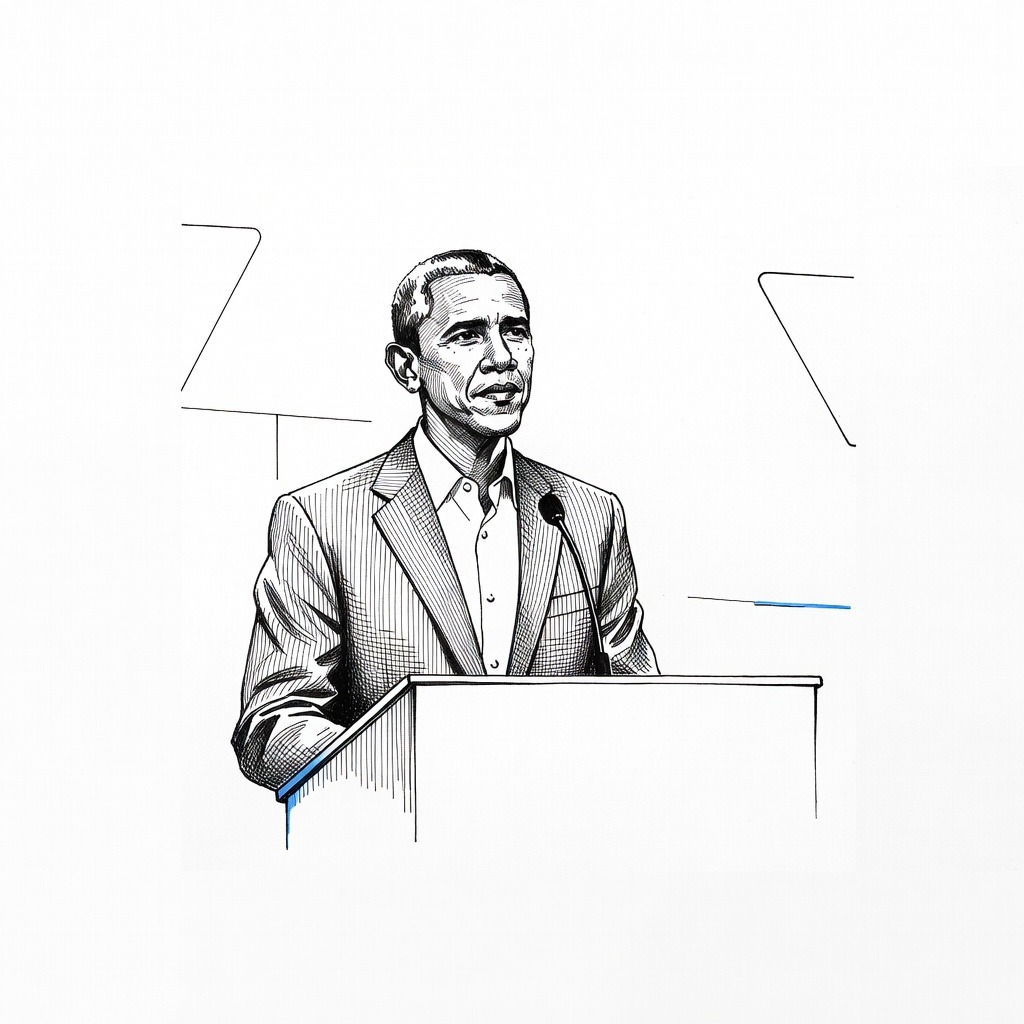
• Dismantling Minority Voting Shields Prioritizes the active protection of historically vulnerable populations to ensure equitable representation in government. The 6-3 decision in *Louisiana v. Callais* is viewed not as a neutral application of the law, but as the deliberate destruction of legal mechanisms meant to guarantee minority communities a voice. Striking down Louisiana’s predominantly Black 6th District is perceived as a structural failure that inherently dilutes minority voting power rather than achieving true democratic equality.
• Pivot to Institutional Countermeasures Values systemic balance and views asymmetrical disarmament in electoral mapping as a severe threat to democratic fairness. Because Southern states like Louisiana, Alabama, Georgia, and Mississippi are utilizing the ruling to rapidly revise electoral maps, this camp justifies aggressive mid-decade redistricting led by figures like Hakeem Jeffries in blue states such as New York, New Jersey, Illinois, and Maryland. The strategy shifts from relying on federal judicial protection to utilizing state-level institutional power to counterbalance anticipated electoral losses.
• Catalyzing Systemic Voter Dilution Fears that imposing a strictly "colorblind" legal framework onto a historically unequal system inherently protects the existing racial and political hegemony. By declaring that race cannot be used to assist minority communities, the Court is seen as abandoning its historical mandate to actively remedy past and present inequalities. The long-term implication warned of by figures like Barack Obama is a structural backsliding where marginalized groups are systematically boxed out of competitive electoral participation.
How it may affect me
As a U.S. reader:
• In the short term, voters in states such as Louisiana, Alabama, Georgia, and Mississippi will face redrawn congressional district boundaries and altered election schedules, including the postponement of Louisiana's May 16 primaries.
• Residents in states like New York, New Jersey, Illinois, and Maryland may also see their electoral maps changed mid-decade as political leaders pursue redistricting countermeasures to offset changes in Southern states.
• Over the long term, minority voters may experience a dilution of their local voting power, as states are no longer permitted to draw congressional districts specifically designed to assist minority communities in electing preferred candidates.
• In future election cycles, voters across these newly redrawn districts may see a shift in campaign strategies, as candidates will be required to build broader coalitions across decentralized geographic areas rather than relying on specially engineered racial electorates.