
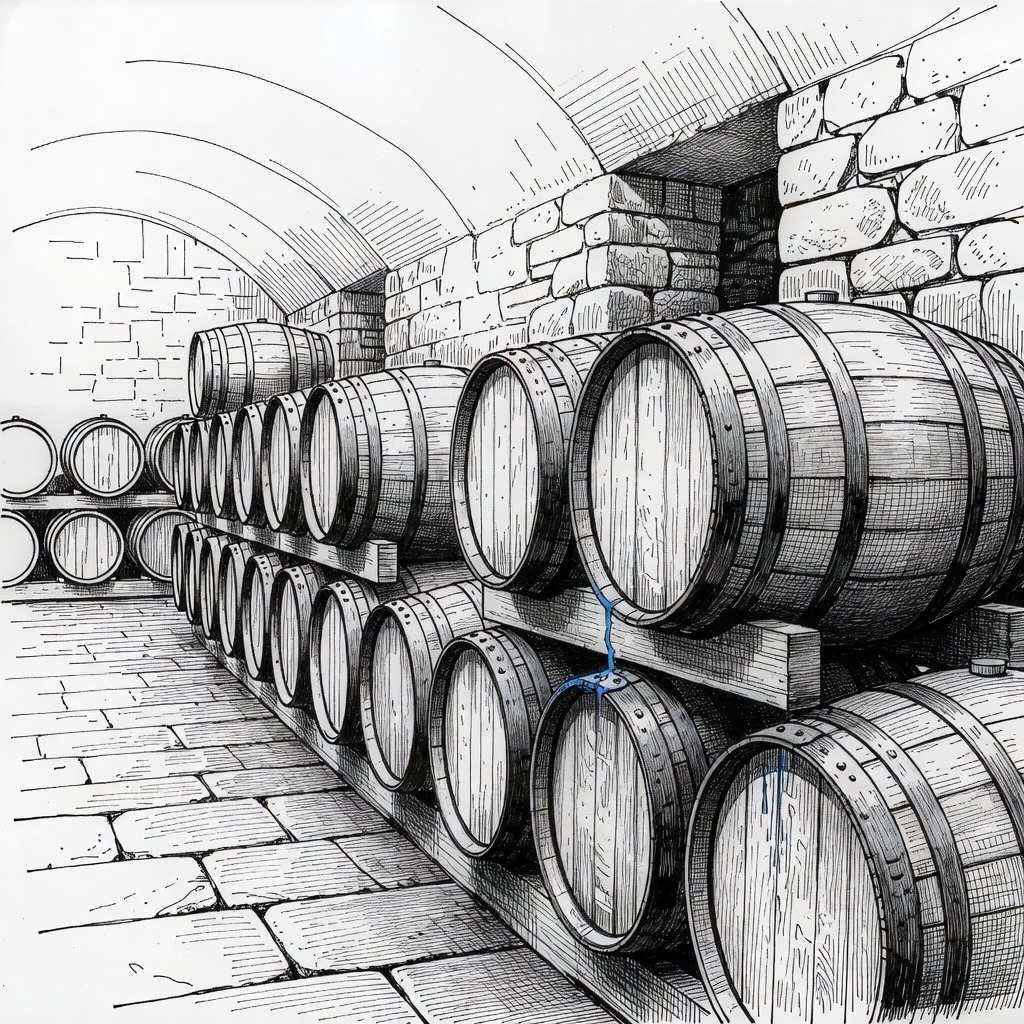
• Exposing Arbitrary Market Carve-Outs Prioritizing systemic equity requires rejecting trade frameworks where economic relief is dictated by elite pageantry rather than empirical need. Granting a targeted tariff exemption solely to honor a state visit by King Charles III and Queen Camilla demonstrates an arbitrary application of executive power. This selective intervention distorts market fairness by rewarding a single industry with diplomatic proximity while the broader economy remains penalized by a punitive 10% blanket tariff.
• Ignoring Broader Labor Fallout Sustainable economic policy must protect the entire workforce from institutional extraction, rather than offering localized concessions. While mitigating the £4 million weekly loss for distillers is a positive for 40,000 Scottish workers, it deliberately ignores the structural damage inflicted on the rest of the export economy. Focusing solely on whisky obscures the fact that overall U.K. goods exported to the U.S. plummeted by 24.7%, leaving workers in non-exempt sectors like car manufacturing to absorb a £1.5 billion decline.
• Masking Systemic Trade Failures Piecemeal diplomatic favors create a false narrative of economic success that distracts from deeper structural imbalances. Financial analysts correctly emphasize that averting the scheduled 25% single malt tariff does nothing to cure the U.K.’s three-month consecutive trade deficit with the U.S. This highly publicized exemption acts as a superficial political bandage, leaving the vast majority of exporters permanently trapped under increased trading costs with no clear path to systemic relief.
How it may affect me
As a U.S. reader:
• In the short term, consumers purchasing Scotch and Irish whiskey will avoid the retail price increases that would have accompanied the scheduled 25 percent import tariff and the existing 10 percent duty.
• Buyers interested in other U.K. imports, such as automobiles, will continue to experience the long-term effects of the ongoing 10 percent blanket tariff, which may limit supply or keep prices elevated for these non-exempt goods.
• Businesses and consumers reliant on international goods may see sudden changes in market costs, as this targeted exemption demonstrates that import duties and product availability can shift abruptly based on diplomatic visits and executive decisions.